DRC neighbors boost preparedness as Ebola cases surge
HEALTHBy Kathy Short
Source: DW (English)
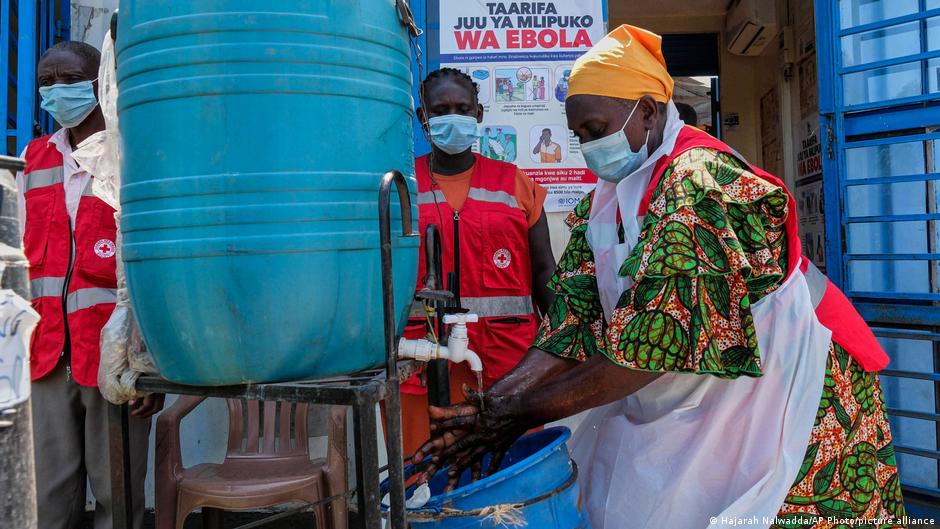
LUSAKA – Zambia has significantly escalated its national preparedness and response mechanisms in the face of a rapidly expanding Ebola outbreak in the neighbouring Democratic Republic of Congo (DRC). With the DRC grappling with its 17th Ebola outbreak, primarily affecting the Ituri Province, countries sharing borders with the vast central African nation, including Zambia, Uganda, and Rwanda, are on high alert, implementing stringent measures to mitigate the risk of cross-border spread. The current outbreak, caused by the Bundibugyo ebolavirus, for which there is no approved vaccine or specific treatment, was declared a Public Health Emergency of International Concern (PHEIC) by the World Health Organization (WHO) on May 16, 2026. As of late July 2026, the DRC has reported over 2,400 confirmed cases and nearly 1,000 deaths, with the outbreak extending its reach into multiple provinces. Uganda, which shares a porous border with the DRC, also reported cases earlier in the outbreak but has since discharged its last patient and is nearing the declaration of the end of its outbreak. In response, Zambian authorities, led by the Ministry of Health and the Zambia National Public Health Institute (ZNPHI), have reinforced prevention measures nationwide. Dr. Naeem Dalal, Assistant Director for Preparedness and Response at ZNPHI, highlighted the activation of infection prevention and control protocols, making disinfection, face masks, and handwashing mandatory in various settings. Screening at all points of entry, including international airports and major border posts, has been intensified, with port health officers, immigration officials, and security personnel working collaboratively to assess travellers. The government's proactive stance includes the identification and assessment of dedicated isolation facilities for suspected cases, advanced laboratory capacity for rapid diagnosis, and public education campaigns to raise awareness. The WHO has supported Zambia's efforts