Vice President calls for continued collaboration with Chiefs
POLITICSBy ZPP Newsroom
Source: Lusaka Times
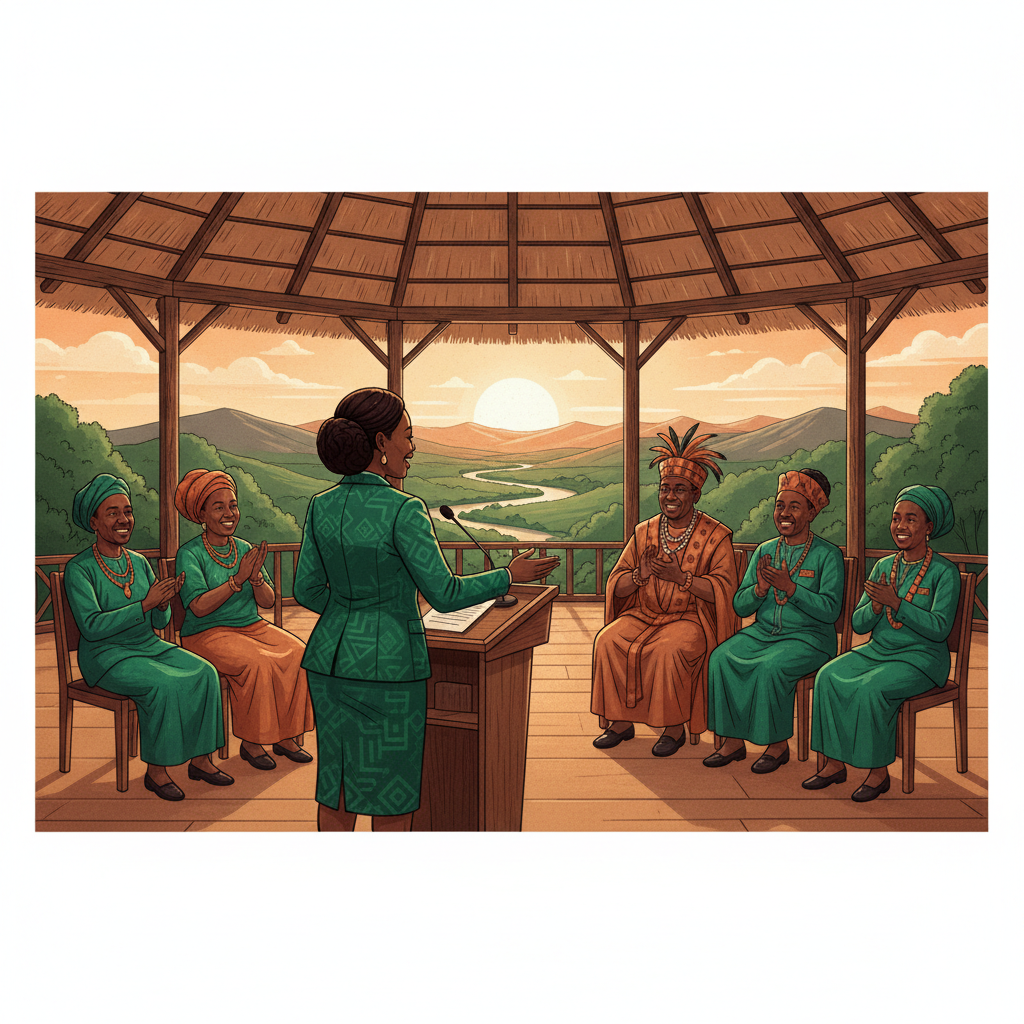
LUSAKA – Republican Vice President Mutale Nalumango has reiterated the Zambian government's commitment to strengthening its partnership with traditional leaders across the country, emphasizing their indispensable role in driving national development. Speaking at a recent engagement, Mrs. Nalumango underscored that traditional authorities are not merely custodians of culture but vital partners in the execution of government policies and programmes aimed at improving the lives of all Zambians. This call for continued collaboration comes amidst the government's intensified efforts to decentralize development and ensure that benefits reach even the remotest parts of the nation. Mrs. Nalumango highlighted that the traditional leadership structure, deeply embedded within communities, serves as an essential bridge between the state and its citizens. Their influence and understanding of local dynamics are crucial for the successful implementation of initiatives such as the enhanced Constituency Development Fund (CDF), which aims to empower communities directly. Historically, traditional leaders in Zambia have played multifaceted roles, encompassing dispute settlement, natural resource management, and local development. Recognized in the Zambian Constitution and through institutions like the House of Chiefs, their authority is widely accepted and valued across society. The government acknowledges that effective development cannot occur without their input and active participation, particularly in areas like land administration, where chiefs oversee over 75 percent of Zambia's land area. The Vice President further noted that the government's vision for a prosperous Zambia relies on a collective approach, where traditional leaders contribute to promoting unity, preserving cultural heritage, and supporting community-led development projects. This symbiotic relationship is seen as fundamental to achieving sustainable economic growth and ensuring that development is inclusive