Haier Biomedical Presents Digital Blood Management Platform at ISBT Congress 2026
HEALTHBy PR Wire
Source: Antaranews.com
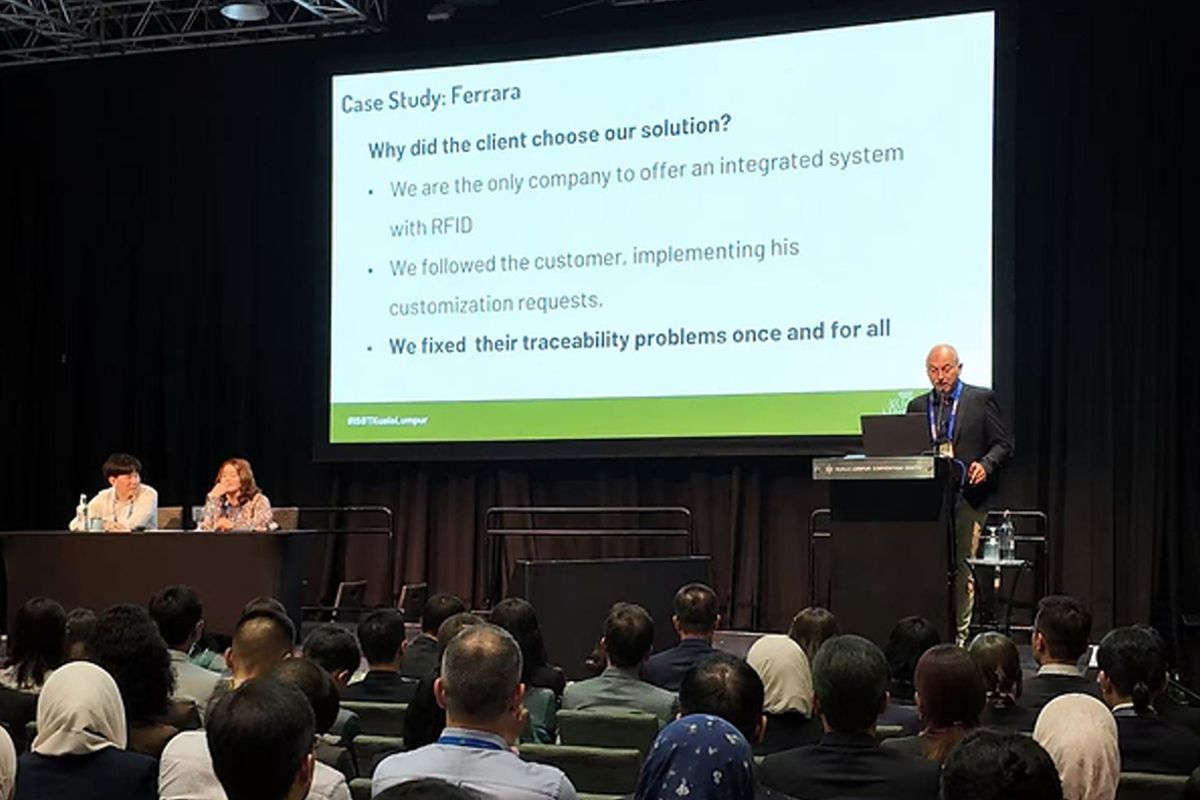
Kuala Lumpur, Malaysia – Haier Biomedical, a global leader in biomedical equipment, recently made a significant presentation at the International Society of Blood Transfusion (ISBT) Congress 2026 in Kuala Lumpur. The company unveiled its cutting-edge digital blood management platform and a comprehensive portfolio of blood products, signaling a transformative shift towards intelligent, traceable, and distributed blood management systems worldwide. This participation underscores Haier Biomedical's commitment to advancing life sciences and digital health, moving beyond being a mere equipment provider to offering full-process solutions across the entire blood supply chain. The showcased solutions at the congress covered the complete workflow, from initial blood collection and component processing to advanced low-temperature storage, intelligent transportation, and clinical application. Key innovations highlighted included the EU MDR-certified Plasma Apheresis System, Automatic Blood Component Separator, Plasma Contact Shock Freezer, and Automated Blood Management Refrigerators. These technologies are designed to cater to the evolving needs of plasma collection centers, hospitals, and blood bank centers, aiming to enhance efficiency, safety, and traceability in blood transfusion services. An example of this digital transformation was presented, detailing the successful deployment of Haier Biomedical's R-Series Automated Blood Management Refrigerator at the New Arcispedale Sant'Anna Hospital in Ferrara, Italy, which significantly reduced retrieval times and improved inventory management. While the congress itself was an international event, Haier Biomedical explicitly mentioned its U-Blood IoT solutions are already operational in dozens of countries and regions, including Zambia. This detail is particularly pertinent for the Zambian healthcare sector, which has been grappling with persistent blood shortages and is actively seeking to modernize its blood transfusion serv