NRPUP’s fake campaign promises bring a strong sense of Déjà vu
POLITICSBy ZPP Newsroom
Source: News Diggers
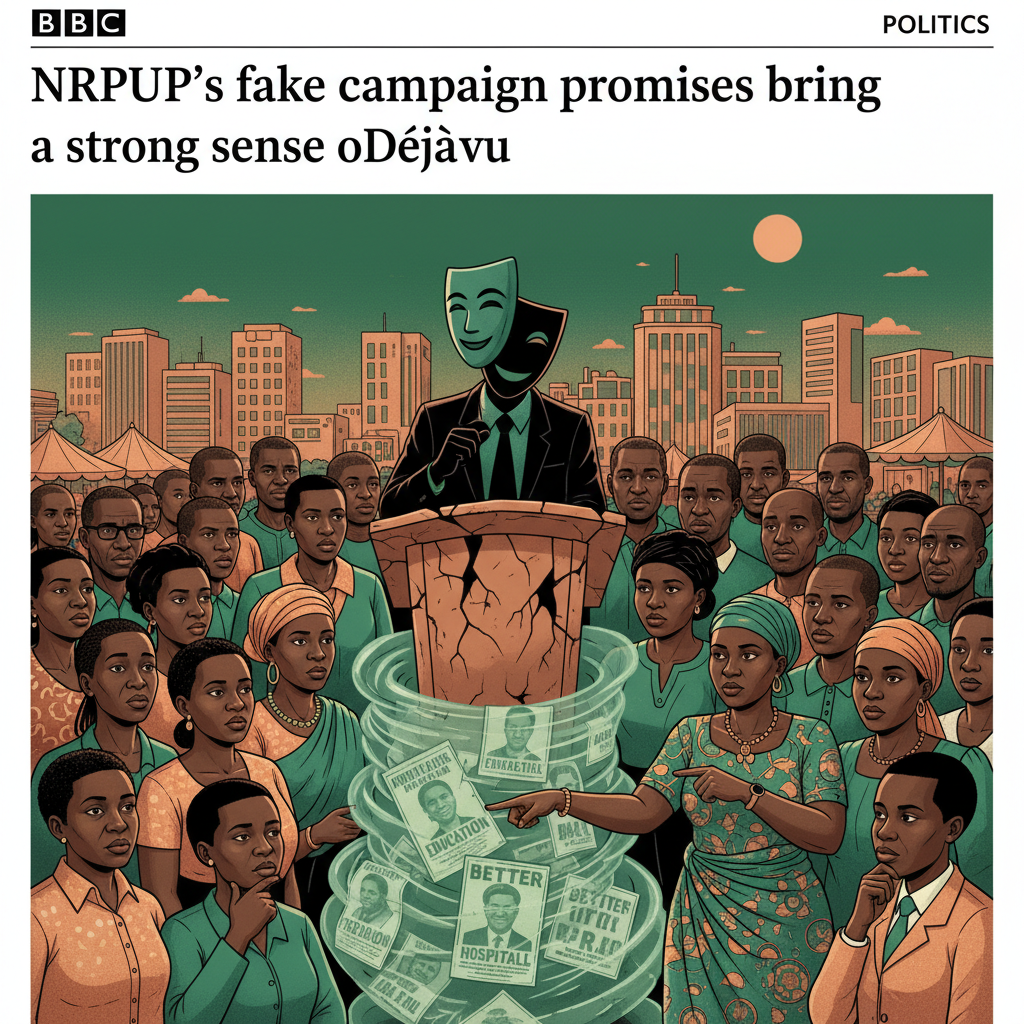
As Zambia gears up for another critical election, Transparency International Zambia (TI-Z) has once again raised a red flag over the pervasive issue of unrealistic and financially unsustainable campaign promises made by political parties. The anti-corruption watchdog cautions that much of the current campaign rhetoric is detached from party manifestos and lacks credible plans for implementation, creating a sense of 'déjà vu' for Zambian voters who have witnessed similar patterns in previous electoral cycles. TI-Z argues that an election should fundamentally be a contest of ideas, priorities, and well-thought-out plans, rather than an 'auction of hope' where candidates compete to offer the most appealing benefits without explaining the financial implications or the institutional mechanisms for delivery. The concerns voiced by TI-Z resonate deeply within the Zambian political landscape, where the electorate has often been swayed by populist pledges only to face the harsh realities of economic constraints and implementation challenges post-election. The article specifically references the 2021 election, where the then-opposition United Party for National Development (UPND) made a catalogue of promises including cheaper fuel, affordable mealie meal, job creation, and free education. While some progress has been made, the article notes that the UPND, now in power, overpromised, leading to public disappointment when immediate relief did not materialise. President Hakainde Hichilema himself acknowledged the unexpected depth of inherited problems, an explanation that underscores the need for responsible and well-researched policy commitments from all political contenders. This cycle of grand promises and subsequent challenges highlights a systemic issue in Zambian politics. Political parties, whether in opposition or government, appear to prioritise short-term electoral gains over long-term national development strategies. The NRPUP, for instance, has recently been cited