OPP PROPOSES COPPER WINDFALL TAX TO WIPE OUT ZAMBIA’S DEBT..as Mushimba targets $4bn annual revenue to fund free university, public transport and four million jobs
POLITICSBy DAVID KANDUZA
Source: Zambian Observer
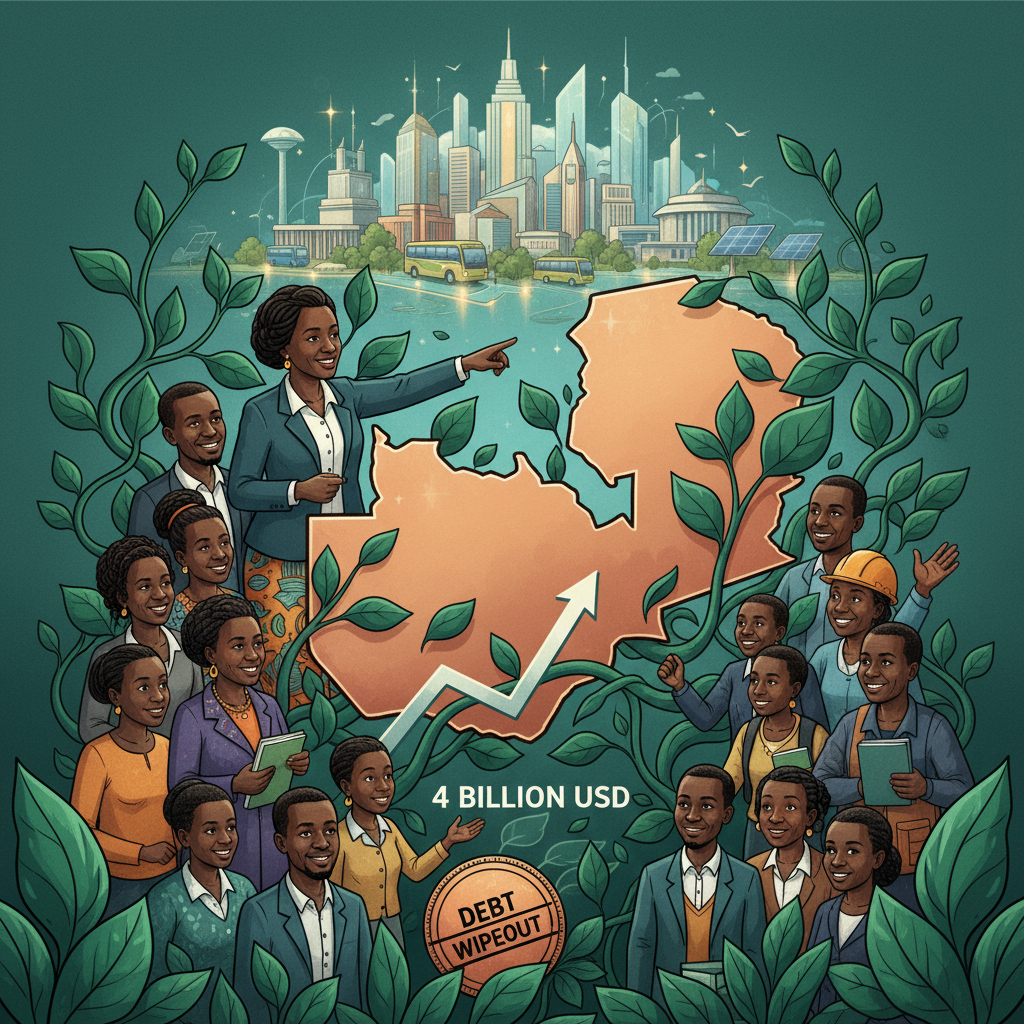
### OPP Proposes Copper Windfall Tax to Eradicate National Debt, Fund Ambitious Social Programs **LUSAKA –** The Organised People's Party (OPP), under the leadership of Jefferson Mushimba, has put forth a bold proposition to introduce a copper windfall tax as a primary mechanism to clear Zambia's substantial national debt. This far-reaching economic strategy is projected to yield an impressive $4 billion in annual revenue, which the party intends to channel into transformative social initiatives including universal free university education, enhanced public transportation networks, and the creation of four million new jobs nationwide. The announcement underscores a growing political discourse on how Zambia can best harness its rich mineral resources for the direct benefit of its citizens. Zambia, a nation heavily reliant on copper exports, has historically grappled with significant debt burdens. The country defaulted on its foreign debt in November 2020, becoming the first African nation to do so during the COVID-19 pandemic. While debt restructuring talks have been ongoing, the nation's fiscal space remains constrained, impacting allocations to critical sectors like health and education. The OPP's proposal seeks to fundamentally alter this trajectory by ensuring that periods of high copper prices directly translate into tangible improvements in the lives of ordinary Zambians. This is not the first time a windfall tax on copper has been considered in Zambia; previous attempts in the mid-2000s faced challenges and were eventually repealed. Jefferson Mushimba's vision extends beyond mere debt repayment. The proposed $4 billion annual revenue is earmarked for a comprehensive suite of social programs designed to uplift the populace. Free university education would build upon the current government's policy of free education up to secondary level, which has already seen significant increases in school enrollment since its implementation in 2022 and subsequent legal pr