The fight against fake pages as Zambia heads to the polls
POLITICSBy Lusaka Star — Lusaka Star
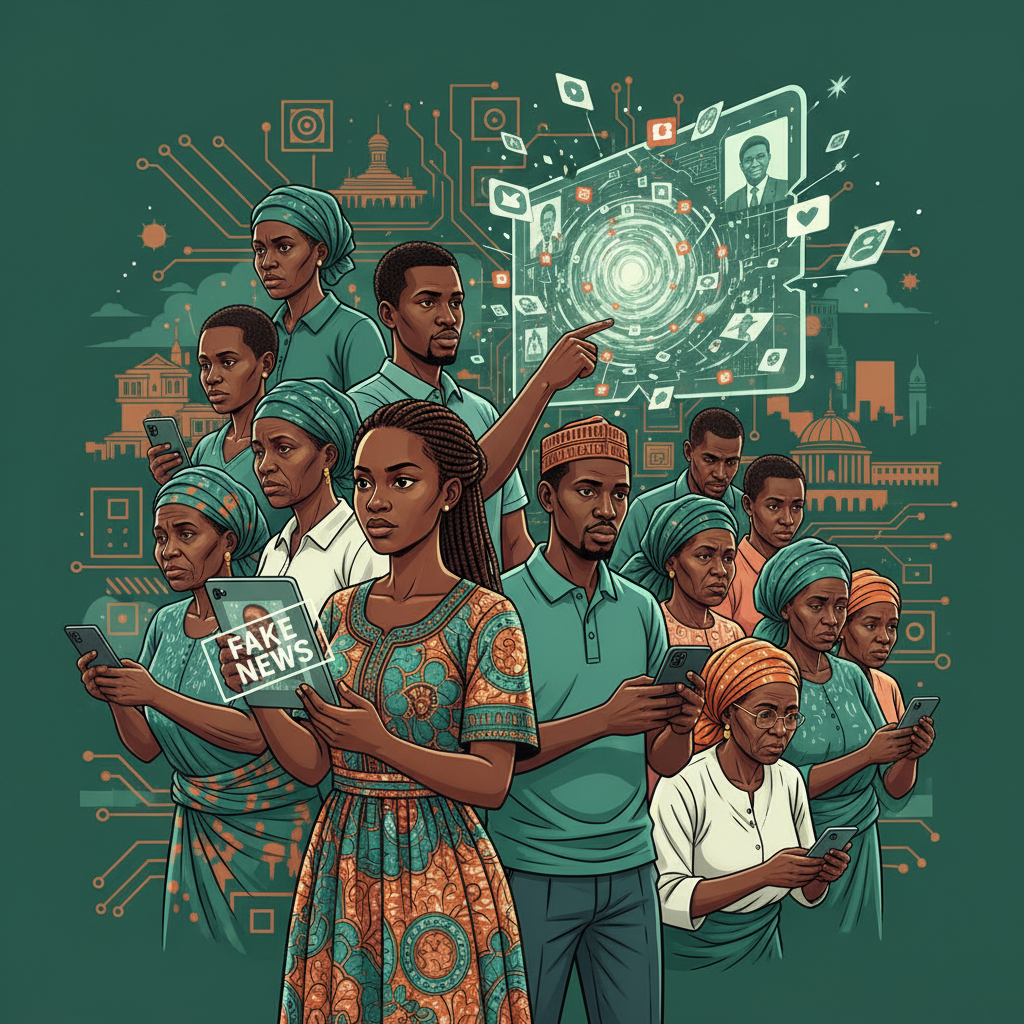
As Zambia gears up for its pivotal general elections, the digital landscape, particularly social media, has emerged as the primary arena for political discourse and engagement. This online sphere is where political parties launch their campaigns, articulate promises, and where a significant portion of the electorate forms its opinions and consumes real-time news. However, this accessibility comes with a profound challenge: the escalating threat posed by fake social media pages. These deceptive platforms are meticulously crafted to impersonate legitimate news outlets, political figures, and influential personalities, with the insidious aim of manipulating public narratives, attracting large followings, and, in some cases, generating illicit income through monetised content. The ramifications of such digital falsehoods extend far beyond mere online interactions. False information disseminated through these channels can gravely mislead voters regarding candidates' stances, electoral procedures, polling events, and even the veracity of election results. Such misinformation has the potential to trigger widespread panic, exacerbate existing political tensions, and deepen societal divisions. A particularly alarming consequence is the gradual erosion of public trust in credible journalism, law enforcement agencies, and the very institutions tasked with managing elections, as citizens struggle to discern fact from propaganda amidst a deluge of fabricated content. The sophistication of tactics employed by those behind fake pages has also evolved considerably. These actors meticulously study target audiences to identify vulnerabilities before deploying misleading content. This often involves recycling old videos, editing images to strip them of crucial context, fabricating official statements, and misrepresenting genuine events to push false narratives. Vusumuzi Sifile, Executive Director of Panos Institute Southern Africa, highlights that election periods naturally amplify