Move distant voters closer to polling stations, give them food – HH
POLITICSBy Elijah Munkombwe — News Diggers
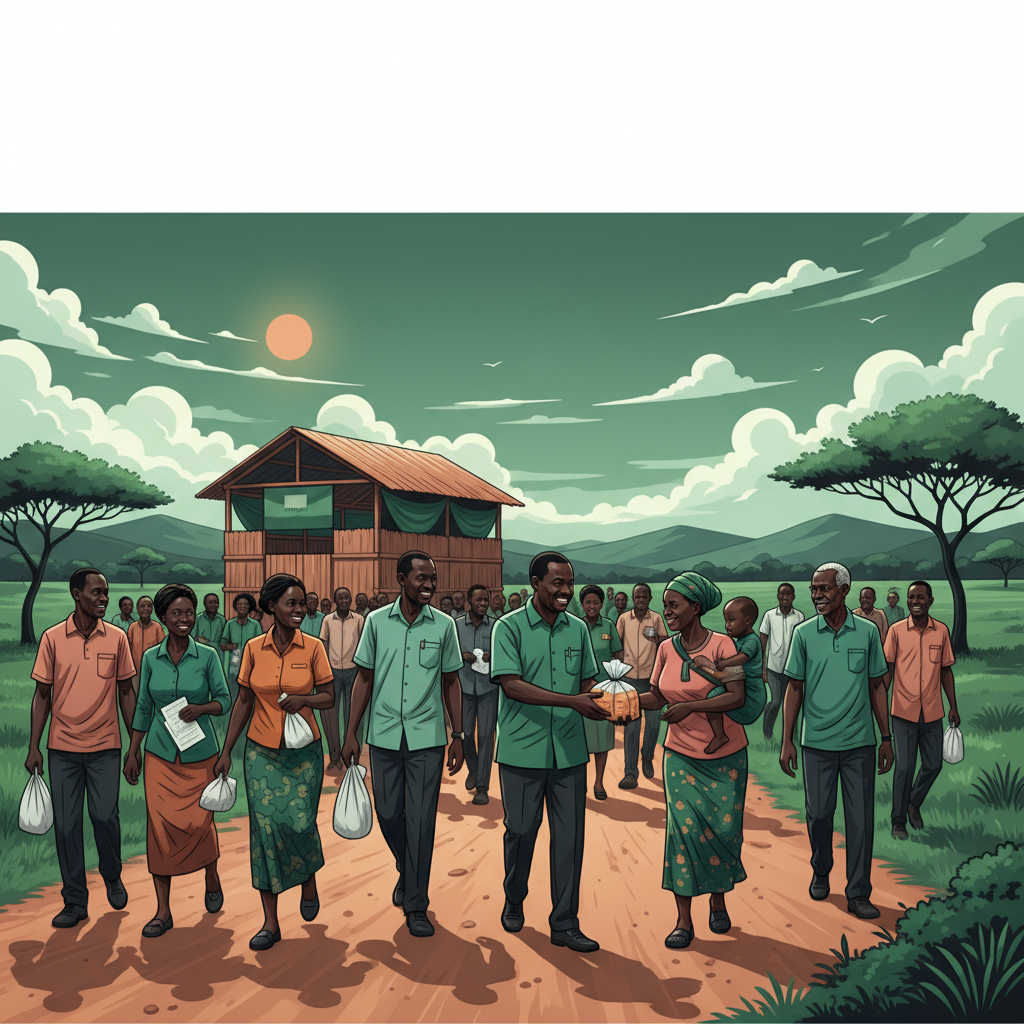
President Hakainde Hichilema has issued a directive calling for the logistical support of voters in Masaiti district, urging that those living in remote areas be brought closer to polling stations and provided with food before the upcoming elections. The Head-of-State's instructions were specifically aimed at Michael Katambo during a series of community engagements on the Copperbelt, underscoring the government's commitment to ensuring broad participation in the democratic process. This move comes as Zambia prepares for crucial polls, with voter turnout often influenced by accessibility and immediate needs, particularly in rural constituencies. During his address, President Hichilema also took the opportunity to issue a stern warning to Kafubu Water in Ndola, cautioning the utility against practices of overcharging and arbitrary disconnections. He emphasized that non-compliance with fair service delivery standards would lead to decisive action. This dual focus highlights the President's engagement with both electoral logistics and public service accountability, reflecting broader governance priorities. The directive on voter facilitation, however, has sparked considerable debate regarding its implications for electoral integrity and fairness. The President's visit to the Copperbelt was not limited to electoral directives and warnings to public utilities. He further pledged to complete the Lwansobe Secondary School project and establish additional boarding schools within Masaiti district. These promises align with the government's broader agenda of enhancing educational infrastructure and access, particularly in underserved areas. Such development pledges often accompany political campaigns, serving to galvanize local support and demonstrate a commitment to improving living standards. While the intention behind assisting distant voters is framed as promoting democratic participation, critics are likely to scrutinize the timing and nature of such assistance. Provid