The Democratic Risks of Rally‑Based Hiring: Examining President Hichilema’s Rally Strategy
POLITICSBy Venus N Msyani
Source: Lusaka Times
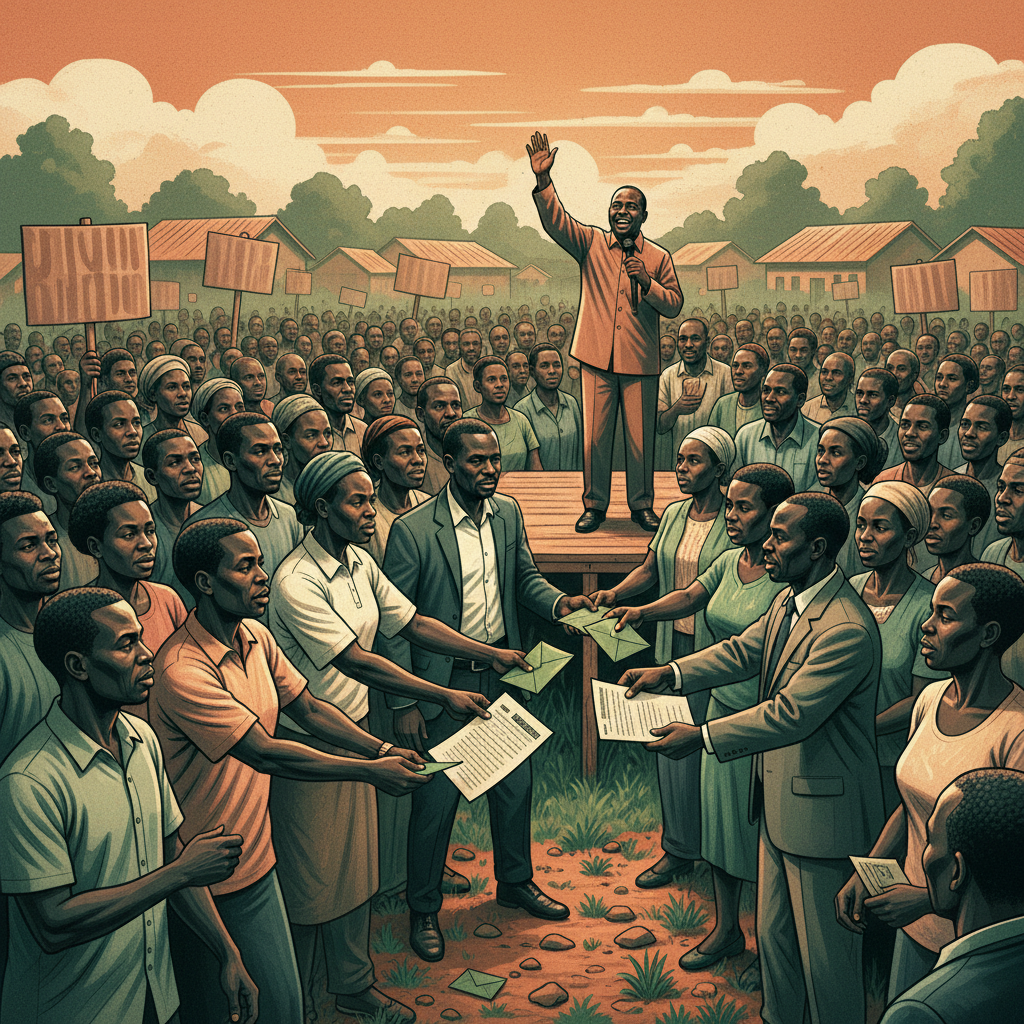
The political landscape in Zambia has grown increasingly polarized following a series of campaign trail announcements by President Hakainde Hichilema regarding public sector recruitment. What initially appeared to be an off-the-cuff remark during a July rally in Isoka, Muchinga Province, has rapidly evolved into a defining and contentious feature of the incumbent administration's electoral strategy. During these campaign stops, the President has routinely singled out volunteer health workers and teachers, instructing aides to capture their details for immediate placement on the government payroll. While framed by the ruling United Party for National Development (UPND) as a compassionate and direct response to grassroots unemployment and understaffed public facilities, the practice has drawn sharp rebukes from civil society organizations, legal scholars, and opposition leaders alike. Critics contend that utilizing campaign rallies as clearinghouses for state employment poses profound structural and democratic risks. Governance commentators and former public health officials have argued that tying coveted civil service jobs to political gatherings creates an uneven playing field. Citizens who abstain from partisan politics due to personal, professional, or religious convictions—such as members of specific faiths or those simply wishing to remain neutral—find themselves systemically disadvantaged. Furthermore, analysts point out that absorbing workers straight from partisan crowds blurs the vital line separating the ruling party from independent state institutions like the Public Service Management Division and the Teaching Service Commission. Legal and constitutional experts have further questioned whether such announcements breach electoral codes of conduct. By doling out state benefits in exchange for or alongside direct appeals for political support, the administration risks running afoul of regulations governing electoral bribery and fair competition. The percep