LIVE
πŸ”΄ POLITICS: Zambia heads to the polls β€” August 2026 General ElectionπŸ“Š ECONOMY: Zambian Kwacha β€” latest exchange rates and market updatesπŸ›οΈ INSTITUTIONS: ECZ announces 70 new constituencies for 2026 elections
The Zambian People's Pulse

THE ZAMBIAN
PEOPLE'S PULSE

BUSINESS90% Verified

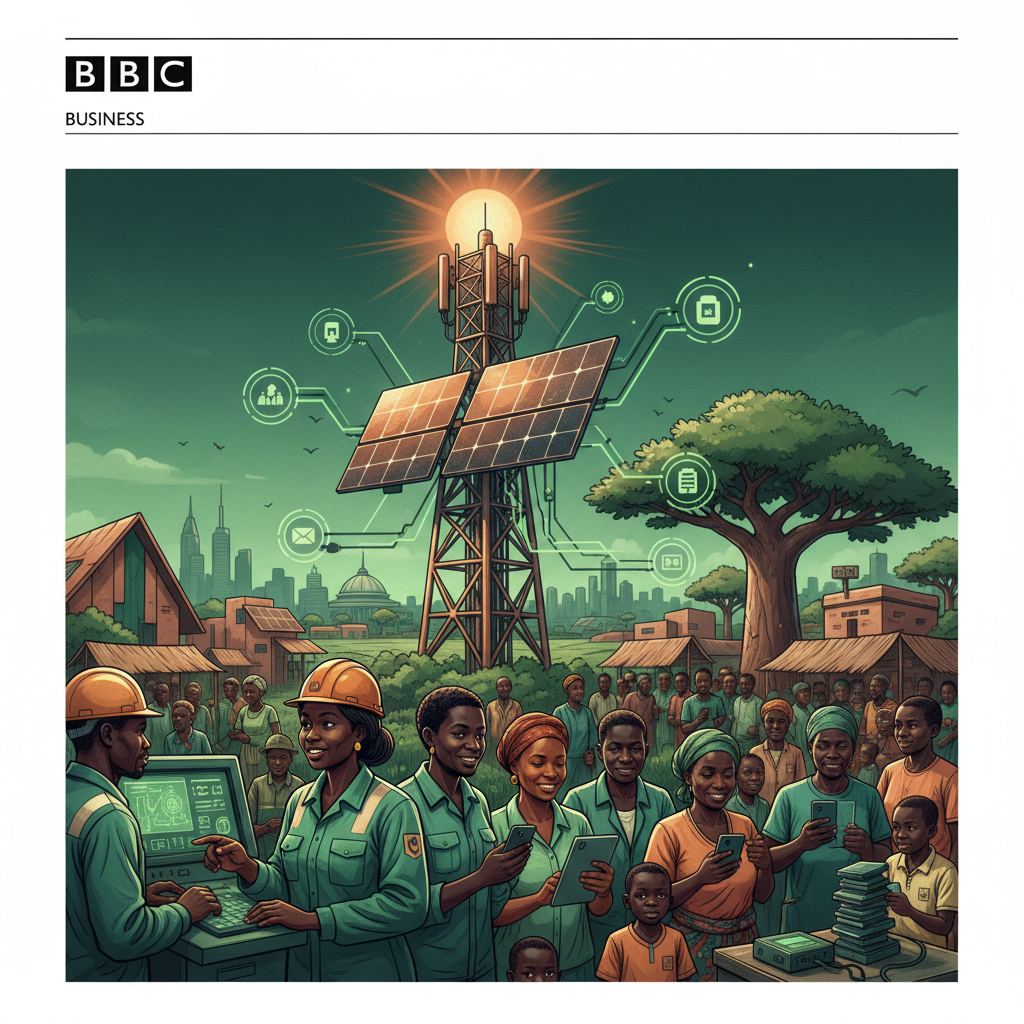
Solar-powered cell towers in Africa curb costs, emissions and outages

β€’BUSINESS
β€’
β€’

Editorial Analysis

The move by telecommunication companies in Zambia to embrace solar power for their cell towers represents a significant and pragmatic step towards modernizing the nation's digital infrastructure. Driven by the twin pressures of escalating diesel costs and the imperative for more reliable connectivity, this shift promises a more sustainable and resilient network. It's a strategic decision that not only improves operational efficiency for service providers but also delivers tangible benefits to Zambian citizens through reduced service disruptions and potentially more stable pricing. While independent media would largely laud this transition as a positive development for both economic and environmental reasons, the government narrative might focus heavily on the 'smart investment' aspect and its alignment with national development goals, such as digital inclusion and climate action. They would likely highlight their role in creating an enabling environment for such investments, perhaps downplaying the external pressures (like global fuel prices) that are forcing the industry's hand. The 'Voice of the People' on social media would likely be overwhelmingly positive, especially from those in rural areas who frequently experience network outages due to power instability. There would be calls for faster implementation and broader coverage, alongside concerns about the security of solar equipment in remote locations. Historically, Zambia's economic development has been hampered by unreliable infrastructure, including power supply. This reliance on diesel for critical services like telecommunications has always been a costly vulnerability. The current global economic climate, marked by inflationary pressures and supply chain disruptions, makes the economic case for solar power even more compelling. This transition is not just about technology; it's about building a more robust, independent, and environmentally conscious national infrastructure that can withstand global shocks and support long-term economic growth.

Share this article

Listen to Story

Click play to have this article read aloud

Solar-powered cell towers in Africa curb costs, emissions and outages

Zambian telecommunication companies are increasingly exploring solar power for their cell towers, driven by the escalating costs of diesel and the need for more reliable connectivity in remote areas. This shift aligns with a continent-wide trend to reduce operational expenses, curb carbon emissions, and enhance network uptime, particularly in regions prone to power outages. The move promises significant economic and environmental benefits for Zambia's digital infrastructure.

LUSAKA, Zambia – The rising global cost of diesel, exacerbated by geopolitical tensions such such as the Iran war, is accelerating a critical transition within Zambia's telecommunications sector towards renewable energy sources for its vast network of cell towers. This strategic pivot, mirroring a broader continental trend, aims to decouple network operations from volatile fossil fuel markets, ensuring greater stability and affordability for millions of Zambian mobile users.

Zambia, like many African nations, has long relied on diesel generators to power a significant portion of its telecommunication infrastructure, especially in rural and off-grid areas where access to the national electricity grid is limited or unreliable. This dependence translates into substantial operational costs for providers like MTN Zambia, Airtel Zambia, and Zamtel, which are passed on, directly or indirectly, to consumers. The shift to solar power offers a compelling solution, promising not only significant cost reductions through lower fuel consumption but also a substantial decrease in carbon emissions, aligning with Zambia's commitments to environmental sustainability.

The benefits extend beyond mere economics and environmental stewardship. Solar-powered towers enhance network reliability, a critical factor in a country where erratic power supply can disrupt communication services. In areas prone to load shedding or lacking grid access, a robust solar-battery system ensures continuous operation, fostering greater digital inclusion and economic activity. This is particularly vital for supporting mobile money services, agricultural information dissemination, and remote education initiatives that underpin Zambia's development agenda.

However, the transition is not without its challenges. The initial capital expenditure for installing solar panels and advanced battery storage systems can be substantial. Furthermore, ensuring the security of these valuable assets in remote locations and managing the lifecycle of battery technology requires careful planning and investment. Despite these hurdles, the long-term operational savings and improved service quality present a strong business case for telecommunication companies to aggressively pursue solarization.

Industry experts suggest that government incentives, such as tax breaks for renewable energy investments and streamlined regulatory processes, could further accelerate this crucial infrastructure upgrade. As Zambia strives to achieve universal digital access and foster a vibrant digital economy, a resilient, cost-effective, and environmentally friendly telecommunications backbone powered by solar energy will be indispensable. This strategic shift not only secures the future of connectivity but also positions Zambia as a leader in sustainable infrastructure development within the region.

This move by Zambian operators is part of a wider African narrative where an estimated 500,000 telecommunication towers dot the landscape, with a significant portion still reliant on diesel. The continent's abundant sunshine makes solar an ideal, readily available resource to power this critical infrastructure, driving down costs and improving service delivery across diverse geographical terrains.

Stay informed β€” join our WhatsApp Channel

Get breaking Zambian news, political analysis, and daily briefings from The Zambian People's Pulse β€” straight to your WhatsApp.

Join our WhatsApp Channel

Related Articles

Is the US forcing Zambia to trade minerals for lives?
BUSINESS

Is the US forcing Zambia to trade minerals for lives?

Zambia faces a critical deadline of April 30 to decide whether to grant American businesses preferential access to its vital mineral resources. This decision carries significant implications for Zambia's economic sovereignty, its burgeoning mining sector, and its international trade relations, particularly with key global powers. The move is seen as a strategic play by the United States to secure critical mineral supply chains amidst growing global competition.

We may not attain 6.4% economic growth if Iran war persists – EAZ
BUSINESS

We may not attain 6.4% economic growth if Iran war persists – EAZ

The Economics Association of Zambia (EAZ) has warned that Zambia might not achieve its target of 6.4 percent GDP growth for 2026 if the ongoing conflict in Iran continues. EAZ National Secretary Dr. Nicholus Mainza emphasized the need for the government to implement measures to mitigate the war's economic impact. Dr. Mainza cautioned that if the war extends beyond two months, the economic progress made by Zambia could deteriorate. He suggested that increasing production in key sectors such as mining, agriculture, and manufacturing could help cushion the effects on Direct Foreign Investment (FDI). While acknowledging that it's only the first quarter, Dr. Mainza stressed the urgency of proactive economic strategies to safeguard the country's growth trajectory against external geopolitical instabilities.

Zambian Copper Smelter Plans to Halt Production, LME Copper and SHFE Copper Both Closed Lower Overnight
BUSINESS

Zambian Copper Smelter Plans to Halt Production, LME Copper and SHFE Copper Both Closed Lower Overnight

Zambia's two largest copper smelters and sulphuric acid producers are planning extended maintenance shutdowns later this year. This move is expected to significantly impact the country's copper production and the supply of sulphuric acid, a critical chemical for processing copper and cobalt. The disruption is exacerbated by global supply issues for sulphuric acid, partly due to the Iran war, affecting mines in neighboring Congo. Zambia, a major producer of metals vital for clean energy technologies, produces approximately 2 million metric tons of sulphuric acid annually, primarily as a byproduct for local mines, with surplus exported to the Democratic Republic of Congo. The impending shutdowns will further strain the supply chain for these essential commodities. Meanwhile, copper prices saw a decline overnight. LME copper closed down 0.78% at $13,245/mt, while SHFE copper 2606 contract fell 0.13% to 102,490 yuan/mt. Both markets showed an increase in open interest, indicating that bears were adding positions.

Reader Comments

Share Your Thoughts

No comments yet. Be the first to share your thoughts!