EARLY SIGNS ENCOURAGING FOR PRESIDENT HICHILEMA AS COUNT CONTINUES, SAYS UPND
POLITICSBy Zambian Observer — Zambian Observer
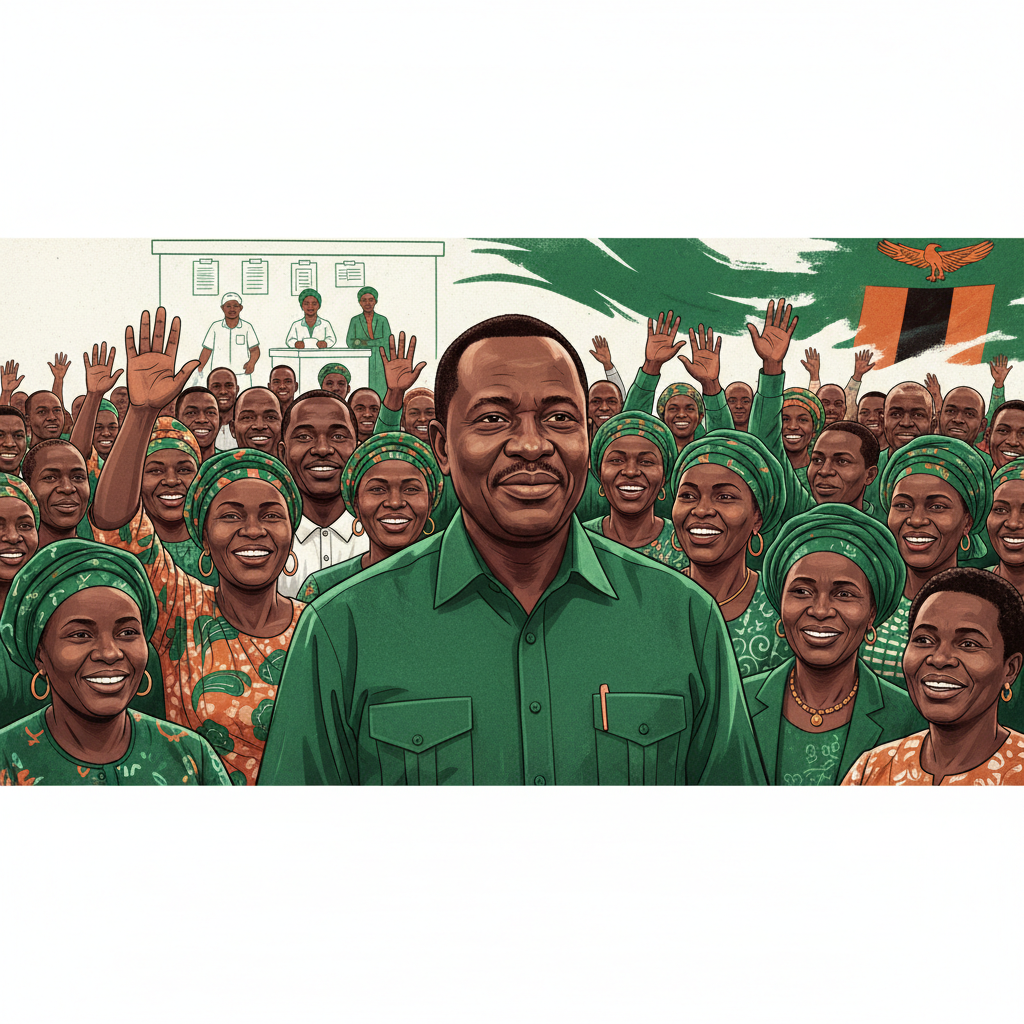
The political atmosphere across Zambia remains tense yet hopeful as the Electoral Commission of Zambia continues the meticulous process of tabulating ballots from the recent general elections. Amidst the ongoing verification and counting, the ruling United Party for National Development (UPND) has stepped forward to declare that early trends point toward an encouraging trajectory for incumbent President Hakainde Hichilema. Party officials maintain that initial reports filtering in from various polling stations nationwide reflect continued confidence from the electorate. Speaking from the party secretariat in Lusaka, senior UPND representatives urged party structures and supporters to remain calm and vigilant while awaiting official announcements from the electoral body. The early numbers, according to campaign insiders, suggest a favorable performance in several key strongholds, though party leaders were quick to emphasize that final determinations must rest entirely with the statutory electoral authority. The emphasis on patience highlights a deliberate strategy to maintain public order and prevent premature celebrations that could heighten political polarization. Opposition camps, meanwhile, have urged their own supporters to monitor the tallying process closely, stressing that every vote must be accounted for with absolute transparency. Electoral observers from both regional bodies, such as the African Union and the Southern African Development Community, alongside local civil society organizations, continue to monitor collation centers across the country. Their presence underscores the critical importance of credibility and adherence to democratic norms during this vulnerable phase of the electoral cycle. As the nation awaits definitive results, ordinary citizens across Lusaka, the Copperbelt, and rural constituencies have returned to their daily routines, albeit with a watchful eye on news broadcasts and official updates. The economic implications of the ele