Prevalence and determinants of soil transmitted helminth infections among children on Highly Active Antiretroviral Therapy (HAART) in Mulobezi and Sesheke Districts, Zambia: A cross – sectional study
HEALTHBy Benjamin Mbonshi, Evans Mwape Kabemba, Collins Bowa
Source: Plos.org
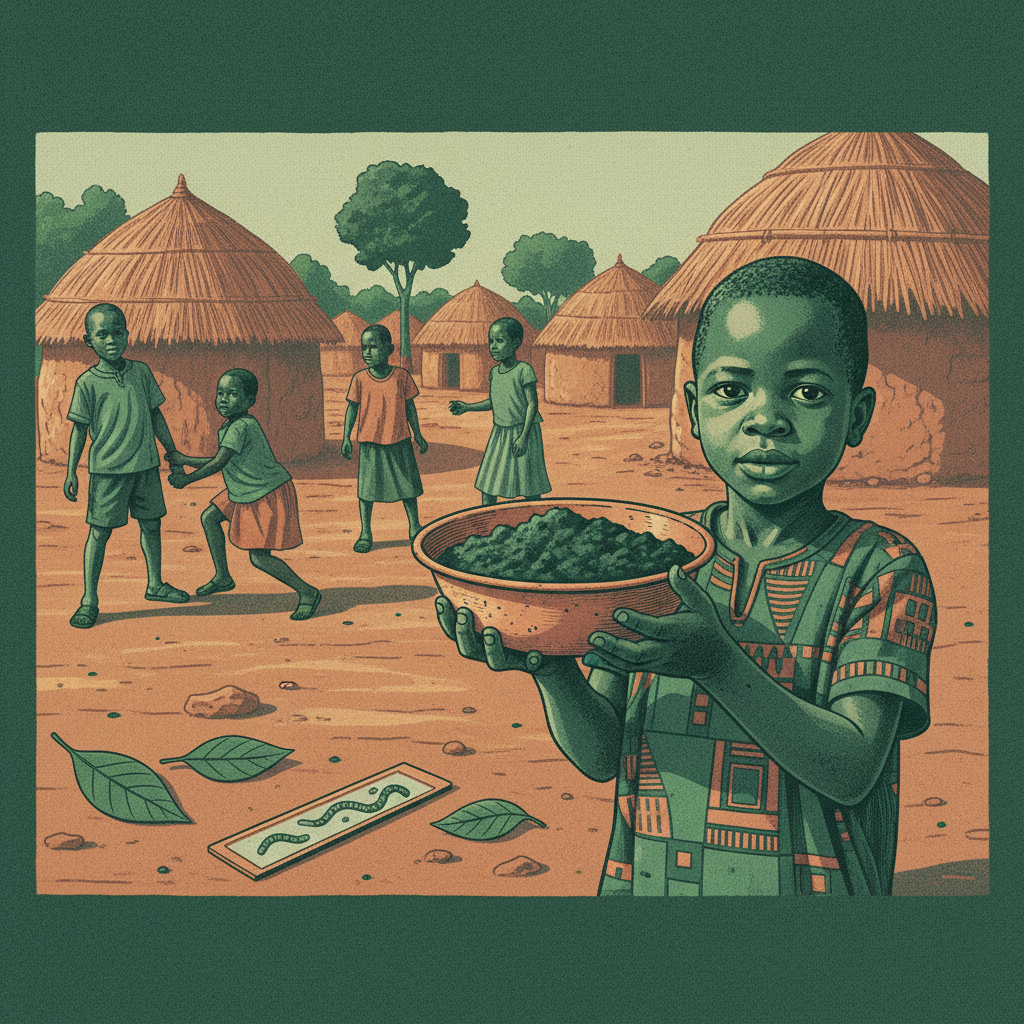
A compelling new study conducted in the rural expanses of Mulobezi and Sesheke districts in Western Province has shed light on the intersection of neglected tropical diseases and pediatric HIV care in Zambia. The cross-sectional research evaluated children aged 5 to 15 years who are currently enrolled on Highly Active Antiretroviral Therapy (HAART), uncovering an overall soil-transmitted helminth (STH) infection prevalence of 11.7 percent. While public health authorities have made commendable strides in rolling out pediatric antiretroviral services across remote regions, these findings underscore the persistent vulnerability of immunocompromised youth to secondary parasitic co-infections. Among the specific parasites identified, Ascaris lumbricoides emerged as the most prevalent species at 6.8 percent, followed by hookworm, Trichostrongylus species, and Strongyloides stercoralis. Public health experts note that while the prevalence numbers align with broader sub-Saharan estimates for vulnerable demographics, the clinical implications in an HIV-positive cohort are profound. The research team utilized rigorous diagnostic tools, including the Kato-Katz technique and retrospective clinical reviews, to map out the exact drivers of infection among 103 participating children across six health facility strata. The investigation moved beyond mere prevalence mapping to identify critical independent predictors associated with STH vulnerability. Multivariable logistic regression analysis revealed that children with lower CD4+ counts and elevated log10 viral loads faced substantially higher risks of parasitic colonization. Most notably, suboptimal ART adherence—particularly among those reporting occasional missed doses—was linked to significantly increased odds of infection. This correlation emphasizes the intricate biological feedback loop where compromised immunity due to irregular medication intake simultaneously lowers defense mechanisms against environmental pathogens lik