ECZ sets tiered nomination fees for 2026 polls, cuts costs for youths, women and disabled
POLITICSBy ZPP Newsroom
Source: Mwebantu
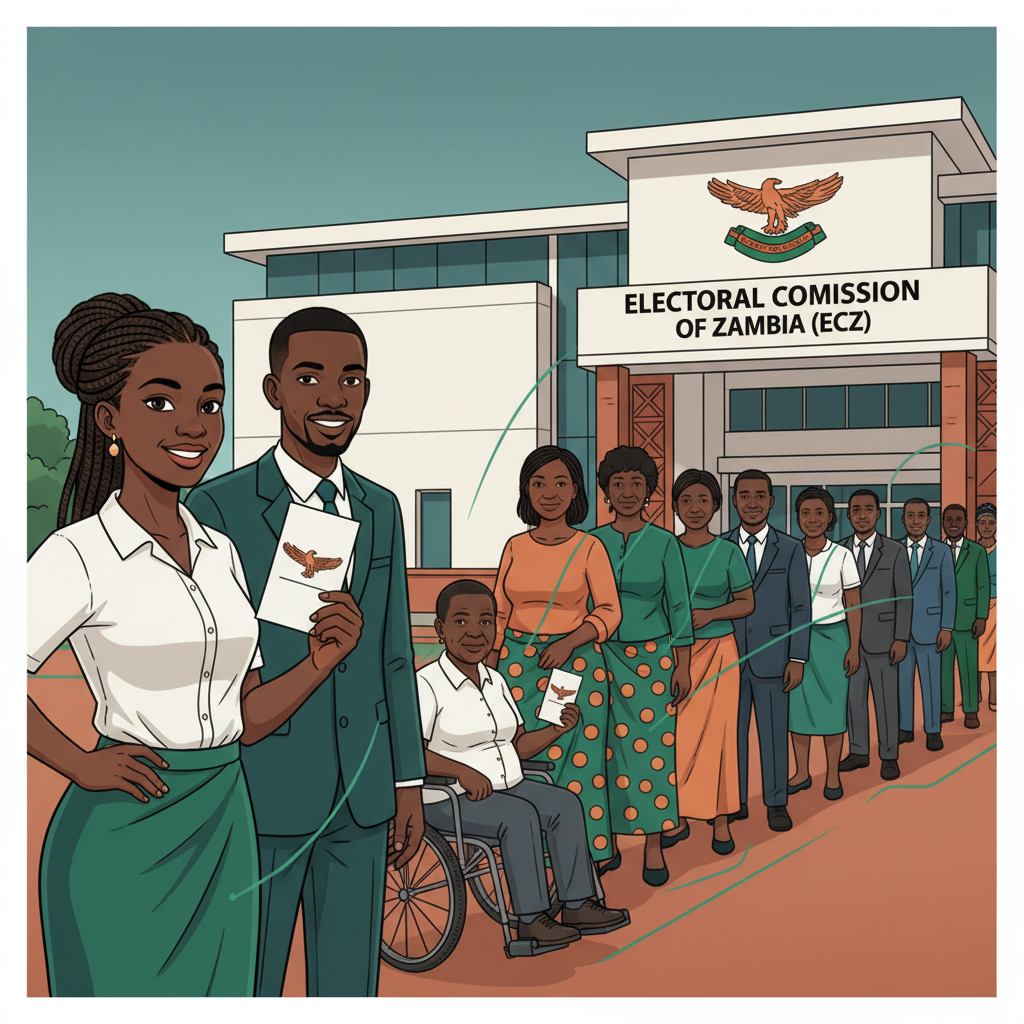
LUSAKA – The Electoral Commission of Zambia (ECZ) has unveiled a revised schedule of nomination fees for the eagerly anticipated August 13, 2026, general elections, introducing a tiered system designed to promote greater inclusivity in the nation's democratic process. Notably, the new framework significantly reduces the financial burden for aspiring candidates who are youths, women, and persons with disabilities, a move widely seen as progressive. Under the new regulations, candidates falling into these special categories will pay substantially lower nomination fees across all levels of electoral contests, from presidential to local government. This initiative by the ECZ directly addresses long-standing concerns regarding the prohibitive costs of participating in elections, which have often been cited as a barrier to entry for many potential leaders, particularly those from marginalized communities. The decision underscores a commitment to fostering a more representative political environment in Zambia. The ECZ's announcement comes amidst ongoing national dialogue about strengthening democratic institutions and ensuring that all segments of society have an equal opportunity to contribute to governance. By lowering fees for youths, women, and persons with disabilities, the Commission aims to stimulate greater engagement from these vital demographics, whose voices are crucial for comprehensive national development. This policy is expected to encourage a more diverse pool of candidates, potentially leading to a richer array of perspectives and policies debated during the electoral cycle. While the specific fee amounts for each category are yet to be fully detailed in this initial announcement, the principle of differential pricing is a significant departure from previous, more uniform structures. This approach aligns with international best practices that seek to remove financial obstacles to political participation, thereby strengthening the democratic fabric of a