NRPUP President Ezra Tembo concedes defeat and congratulates President Hakainde Hichilema
POLITICSBy Zambian Observer — Zambian Observer
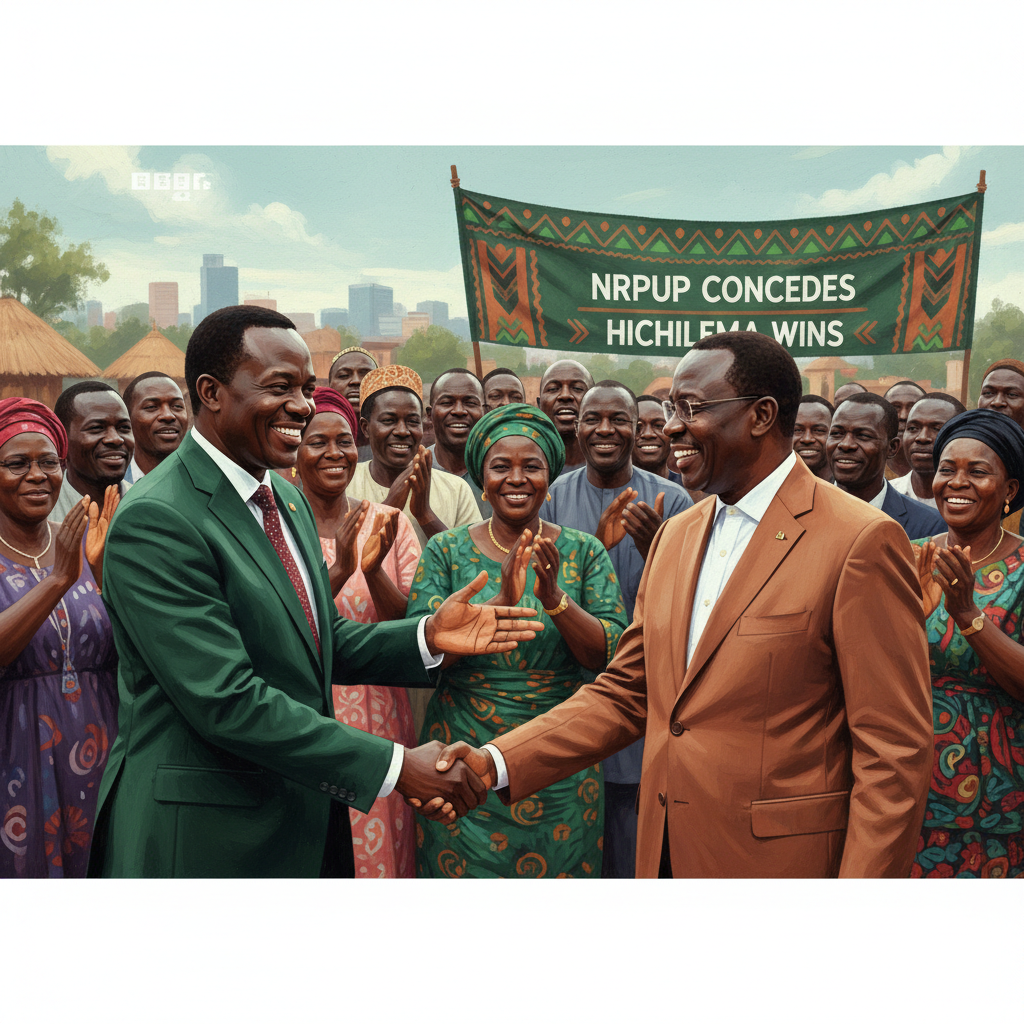
The political landscape of Zambia has experienced another moment of democratic consolidation as National Reconciliation Party for Unity and Prosperity (NRPUP) President Ezra Tembo officially conceded defeat in the general elections. In a statement released to the public, Mr. Tembo extended his congratulations to incumbent President Hakainde Hichilema, underscoring the importance of national unity and peaceful coexistence above partisan divisions. The concession marks a significant milestone in the post-election phase, reflecting a growing political maturity within Zambia's multi-party democracy. While stepping back from the presidential race, Mr. Tembo made it clear that the NRPUP intends to remain a vibrant force within the country's governance structure. He asserted that the party's mandate moving forward will focus on robustly holding the ruling United Party for National Development (UPND) administration accountable. Through its representation in the National Assembly, the NRPUP plans to scrutinize policy implementation, demand transparency in public expenditure, and ensure that the executive branch remains responsive to the pressing socioeconomic needs of ordinary Zambians. Political analysts across Lusaka have welcomed the concession, noting that gracious acceptance of election results helps to stabilize the nation and maintain investor confidence. Zambia has historically prided itself on peaceful transitions and democratic continuity, a tradition that distinguishes the nation within the Southern African region. By committing to parliamentary oversight rather than extra-legal contestation, the NRPUP has reinforced the institutional channels designed to mediate political competition. The aftermath of the polls now shifts focus toward the composition of the legislature and how opposition parties will organize their strategies. With economic challenges such as high living costs and structural reforms remaining central to public discourse, the role of parliament