Zambians Call for Freedom and a Watchdog Role for the Media
POLITICSBy Edward Chibwili — AllAfrica Zambia
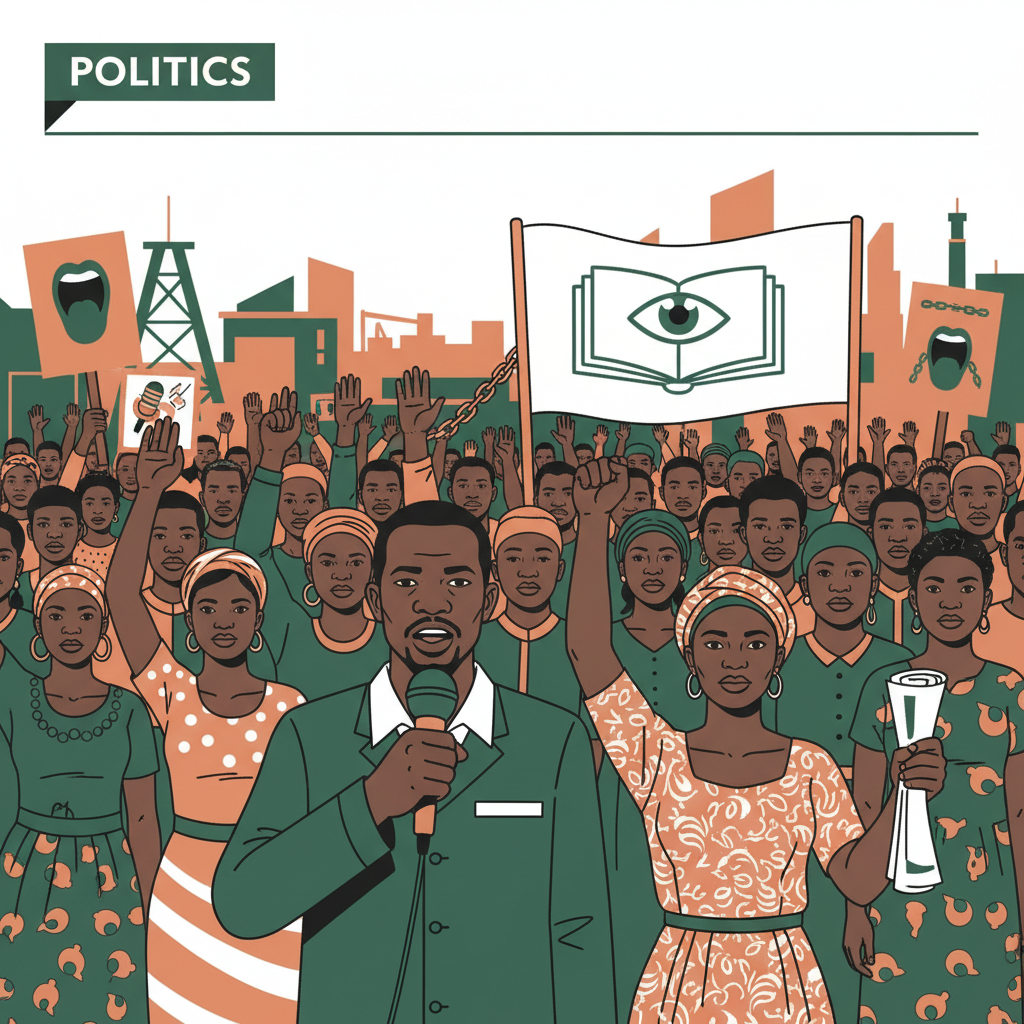
A comprehensive survey released by Afrobarometer has shed light on the evolving landscape of civic rights and information access in Zambia, revealing that an overwhelming majority of citizens view a free press and government transparency as non-negotiable pillars of democracy. According to the data, three-quarters of Zambians believe the news media must act as a persistent watchdog, actively investigating and reporting on government shortcomings and corruption. This sentiment firmly rejects the narrative that aggressive journalistic inquiry serves primarily to destabilize the nation, with only a small fraction supporting restrictions on negative reporting. The findings arrive at a critical juncture for Zambia's democratic development, highlighting both structural progress and lingering anxieties regarding public access to official records. More than six in ten citizens articulated that the public and independent media must be granted unimpeded access to official government documents. In particular, overwhelming majorities called for transparency regarding local government budgets and public procurement bids and contracts. Proponents of freedom of information argue that these fiscal disclosures are imperative for curbing graft, enhancing institutional accountability, and ensuring that public resources directly benefit local communities across the country. While perceptions of media freedom have shown encouraging improvements over recent years—bolstered by legislative milestones such as the enactment of the Access to Information Act—substantive challenges remain. A notable portion of the population continues to express reservations or acknowledges ongoing political pressures that can force journalists into self-censorship. Civil society organizations and media advocates have consistently urged authorities to build upon past legal reforms by systematically eliminating residual bottlenecks that constrain investigative reporting and hinder public access to key administ