FRA buys 165,684 bags of maize in Mpongwe
BUSINESSBy Lusaka Times — Lusaka Times
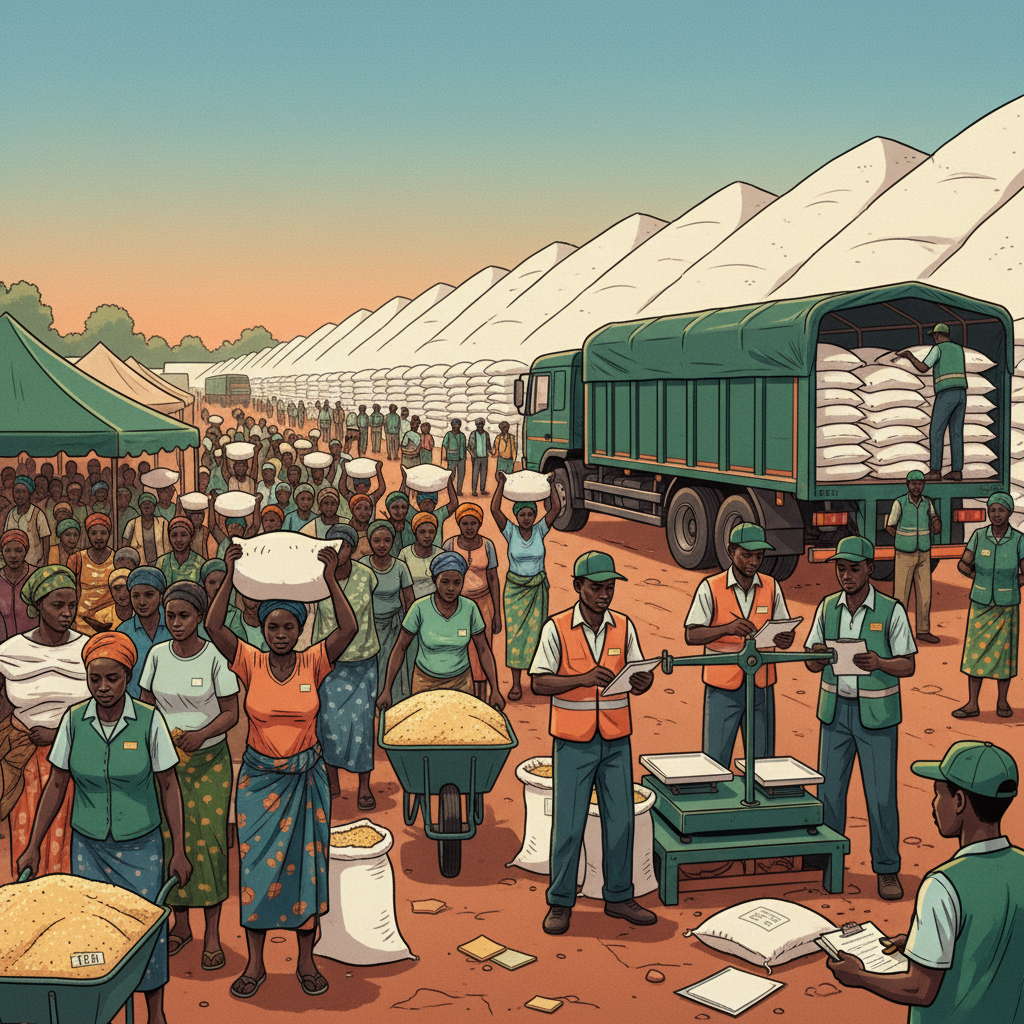
The Food Reserve Agency (FRA) has stepped up its grain aggregation efforts in the Copperbelt Province, recording a significant milestone with the purchase of 165,684 fifty-kilogram bags of maize from local farmers in Mpongwe District. This localized procurement drive reflects ongoing nationwide initiatives to secure strategic national food reserves following agricultural seasons characterized by shifting weather patterns and the need for robust supply chain interventions. Mpongwe District Commissioner Mwambashi Mwitwa confirmed the figures, underscoring the vital role that agricultural hubs like Mpongwe play in sustaining the country's grain reserves. The maize was acquired from numerous farming cooperatives and individual smallholders across various satellite depots in the district. Authorities have emphasized that prompt mop-up operations and accessible collection points are critical in ensuring that farmers reap the economic rewards of their hard work without enduring prolonged logistical bottlenecks. However, the massive influx of grain has also brought administrative and logistical challenges to light. Recent visits to local depots, including Ndumeni, highlighted congestion and processing backlogs as growers flock to secure markets for their produce. In response, district leadership has had to institute strategic measures, such as temporarily pausing intake at saturated points to clear backlogs and prioritizing cooperatives registered under the Farmer Input Support Programme (FISP) to protect smallholder interests. Agricultural stakeholders continue to stress the importance of transparency and efficiency at all FRA touchpoints. Ensuring that farmers receive timely payments and that queues are managed fairly remains paramount to maintaining trust in state-led marketing programs. As the agency navigates peak purchasing periods, cooperation between local administration, agricultural extension officers, and farming communities is essential to safeguarding rural