PF leadership wrangles continue to ‘thicken’, as Miles Sampa declares himself president
POLITICSBy ZPP Newsroom
Source: Mwebantu
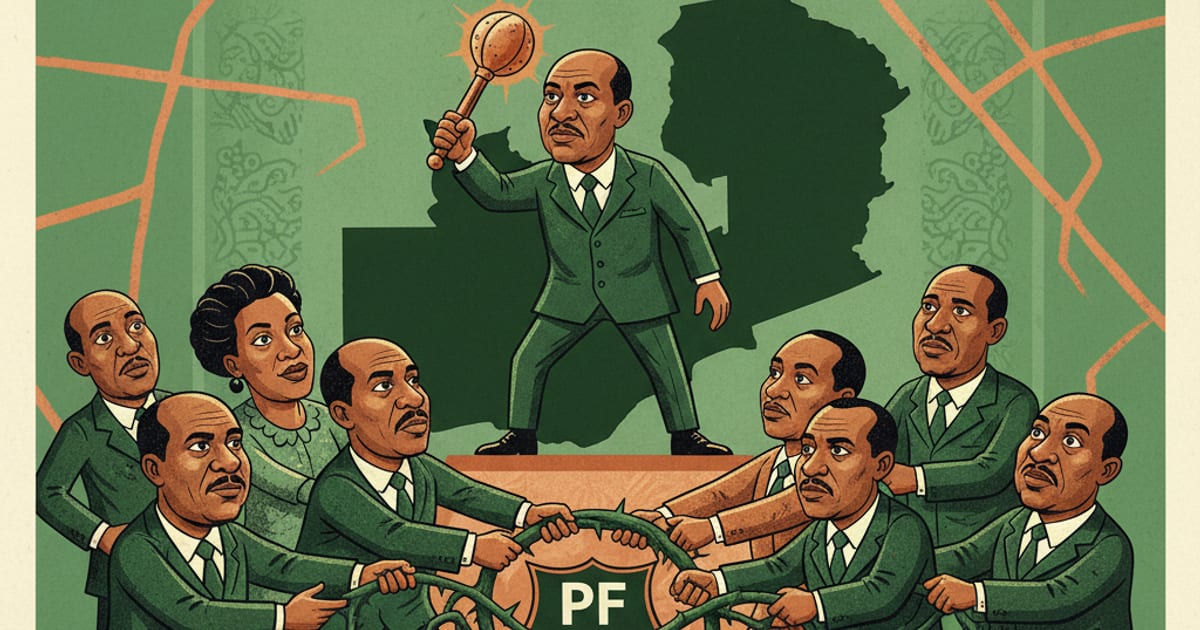
The political landscape of Zambia has been gripped by further uncertainty following the unilateral declaration by Mr. Miles Sampa that he is now the legitimate president of the Patriotic Front (PF) party. This audacious move, reported widely across various platforms including Mwebantu, marks a significant and concerning escalation in the protracted leadership wrangles that have plagued the former ruling party for months. Sampa's assertion of authority, coming amidst a backdrop of deep internal divisions and legal challenges, casts a long shadow over the future cohesion and efficacy of what was once Zambia's dominant political force, raising critical questions about its role in the nation's democratic framework. This latest development underscores the profound instability currently engulfing the PF, a party still reeling from its 2021 electoral defeat. The self-proclamation by Mr. Sampa not only deepens the existing chasm within the party but also highlights a worrying lack of internal democratic processes, where succession appears to be determined more by assertive declarations than by established party protocols. Such internal strife is not merely an internal party affair; it carries significant implications for Zambia's multiparty democracy. A fractured main opposition party struggles to effectively hold the government accountable, thereby weakening the crucial system of checks and balances that underpins good governance and robust public discourse on critical national issues. Historically, Zambian political parties, particularly those transitioning from the echelons of power to the challenging terrain of opposition, have often found themselves embroiled in similar internecine battles for control. This current predicament within the PF is eerily reminiscent of past power struggles that have afflicted other major parties, illustrating a recurring theme in Zambian political history where leadership succession can become a crucible of conflict and division. The eco