No Political Prisoners in Zambia – Muchende
POLITICSBy ZPP Newsroom
Source: Lusaka Times
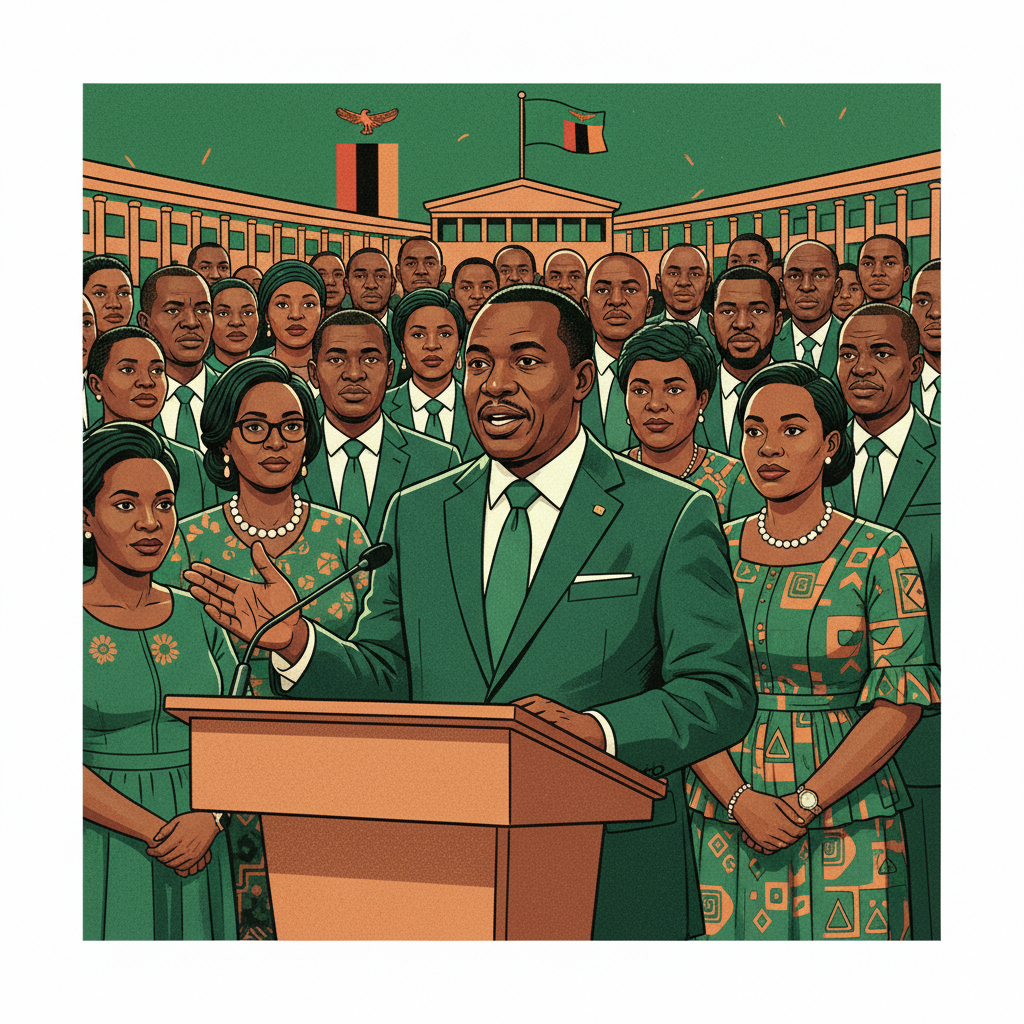
The Office of the Attorney-General has firmly rejected claims circulating locally and internationally that individuals recently arrested by law enforcement agencies are political detainees. Speaking in Lusaka, Acting Attorney-General Marshal Muchende asserted that Zambia does not harbor prisoners of conscience or political prisoners. He stressed that the rule of law takes precedence and that political affiliation does not grant immunity from criminal prosecution. Mr. Muchende explained that the suspects currently in custody are facing grave criminal charges, which encompass treason and terrorism-related offenses. These legal actions stem from ongoing investigations into alleged unlawful paramilitary training and attempts to destabilize constitutional order. The Acting Attorney-General maintained that the state has an absolute duty to safeguard national security, protect public safety, and defend citizens against unlawful armed formations or insurrection. The government's robust defense comes in the wake of mounting scrutiny from international bodies and human rights organizations regarding the shrinking democratic space in Zambia. Critics, including United Nations human rights experts, have raised alarms over the detention of opposition figures—such as senior members of the Tonse Alliance—urging authorities to ensure absolute adherence to democratic principles. However, the state maintains that all apprehended individuals have access to due process and will have their day in independent courts of law. Legal analysts point out that the tension between state security imperatives and civil liberties highlights deep political polarization in the country. While the executive insists that the judiciary remains the proper forum to test the validity of the charges, civil society actors continue to demand greater transparency. They argue that high-threshold charges like treason require airtight, transparent evidence to dispel public perceptions of selective justice and po