Free education gives vulnerable learners a second chance
EDUCATIONBy ZPP Newsroom
Source: Lusaka Times
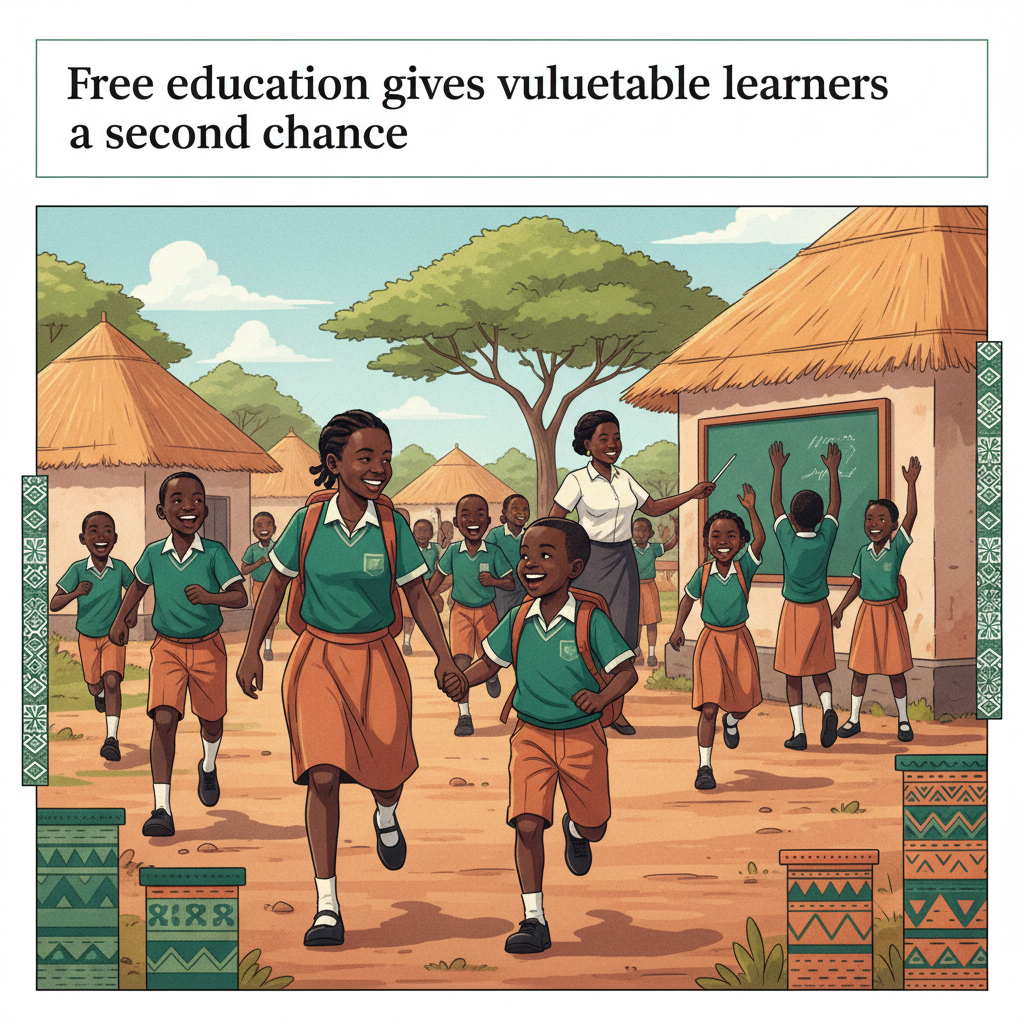
The administration's flagship free education policy continues to draw praise from educational leaders across the country, with school authorities highlighting its profound impact on rural and disadvantaged communities. Speaking from Mwansabombwe District in Luapula Province, the headteacher of Mumbolo Secondary School commended the government for removing critical financial barriers that previously kept thousands of children out of the classroom. The policy, which abolished tuition and user fees across public schools, is being hailed as a vital equalizer for vulnerable learners who otherwise would have abandoned their academic pursuits due to poverty. Local school administrators note that since the implementation of the directive, enrollment figures have surged significantly, drawing back older adolescents and children from underprivileged backgrounds who had previously dropped out. For institutions like Mumbolo Secondary School, situated in a predominantly rural setting, the influx of eager learners underscores both the immense appetite for education and the acute challenges facing rural school infrastructure. Teachers have had to adapt to larger class sizes, prompting ongoing discussions regarding the urgent need for expanded classroom space, additional learning materials, and increased teaching staff deployments to maintain educational standards. Despite logistical hurdles and infrastructural strains reported across various provinces, local educators maintain that the long-term socioeconomic dividends of an educated populace far outweigh the transitional growing pains. The timely disbursement of grants to schools has been cited as a crucial component in keeping institutions operational in the absence of traditional PTA fees. Headteachers have consequently appealed to the central government and stakeholders to sustain and enhance support mechanisms, ensuring that schools in remote areas are fully equipped to handle high student retention rates. Civil society an