Petauke starts offering Prep Injectables
HEALTHBy ZPP Newsroom
Source: Lusaka Times
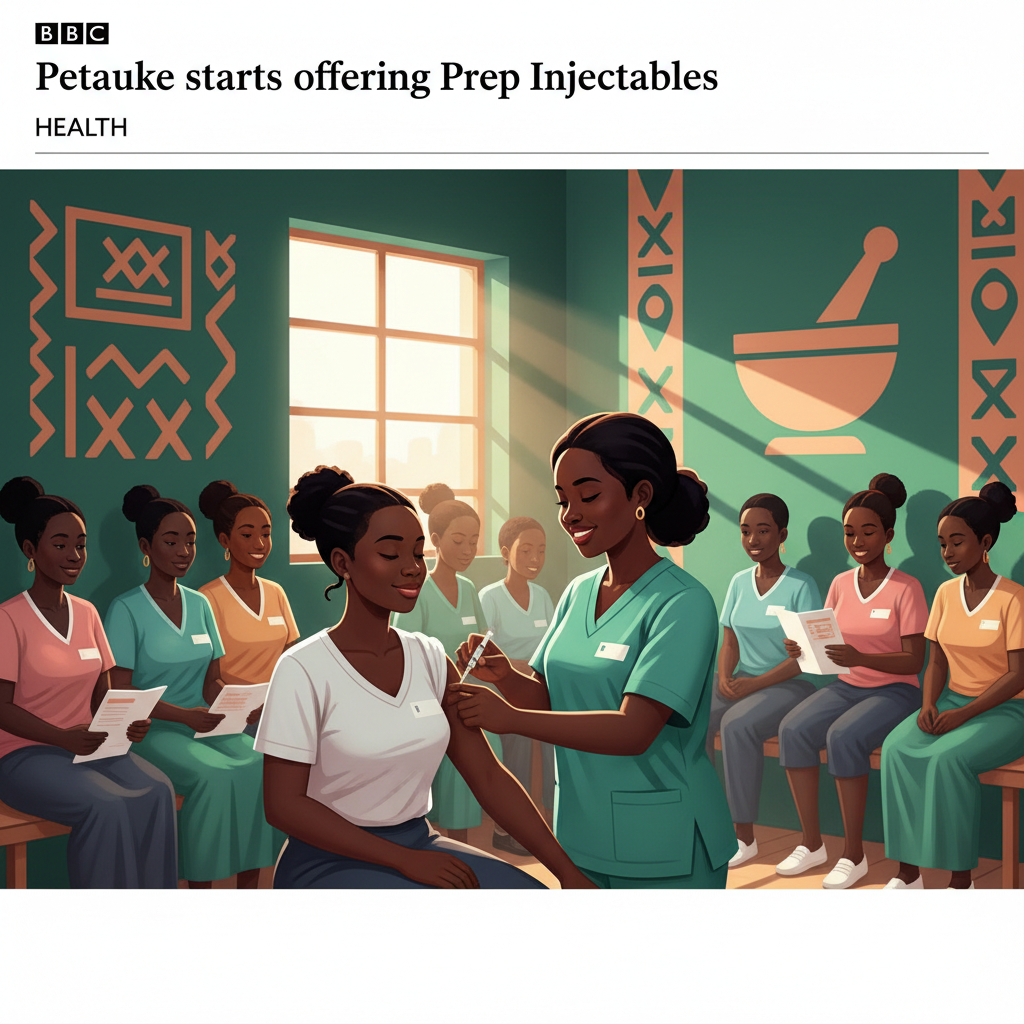
Petauke District in the Eastern Province has officially joined the growing list of regions across Zambia offering injectable Pre-Exposure Prophylaxis (PrEP) services, marking a significant milestone in local public health delivery. Local health authorities confirmed that the intervention is designed to enhance HIV prevention frameworks by offering alternative, long-acting protection options to communities outside major urban centers. The rollout brings critical biomedical innovations closer to rural populations who have historically faced logistical barriers to consistent healthcare access. The introduction of injectable PrEP, such as long-acting cabotegravir (CAB-LA) and other modern formulations championed under the Ministry of Health's rollout strategy, addresses longstanding hurdles associated with traditional daily oral regimens. Healthcare professionals note that daily pill fatigue and societal stigma often hamper adherence rates among vulnerable demographics. By shifting to an injectable format that requires administration only once every few months, the Ministry aims to dramatically improve continuity of care and retention among clients at substantial risk of HIV acquisition. Community health advocates in the Eastern Province have welcomed the development, emphasizing that decentralizing specialized prevention tools to districts like Petauke is vital for achieving national health targets. Local clinics have begun receiving supplies alongside specialized training for medical personnel to ensure proper screening, counseling, and administration protocols are met. Officials have stressed that clients will receive comprehensive guidance, including mandatory baseline HIV testing and regular follow-up scheduling, to maximize the clinical efficacy of the program. Public health experts point out that expanding these services to rural and semi-urban districts aligns with Zambia's broader strategic roadmap toward ending HIV and AIDS as a public health threat. While