Wild dogs record 2,500-mile trek across Zambia in search of a mate
ENVIRONMENTBy ZPP Newsroom
Source: BBC Africa
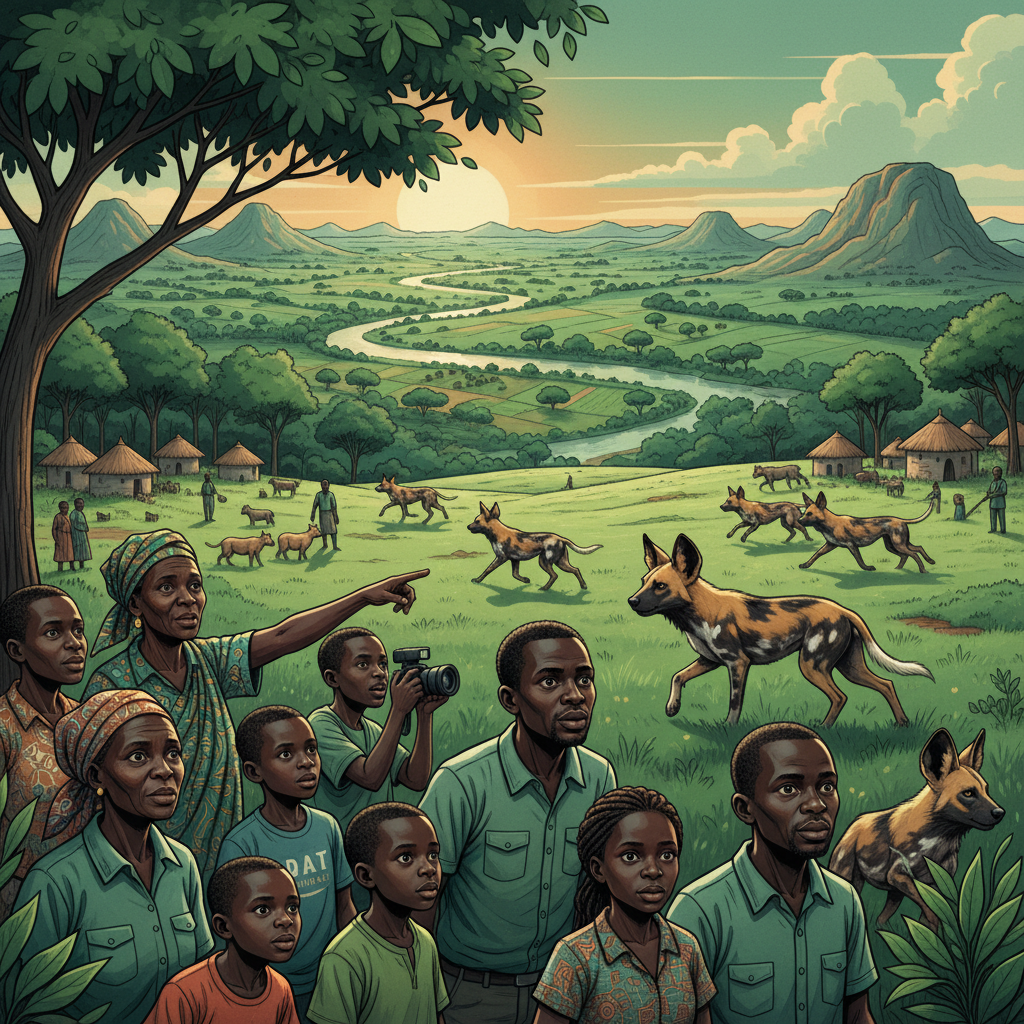
In what conservationists are calling an extraordinary milestone for African wildlife, three male African wild dogs have traversed a staggering 2,500 miles (approximately 4,000 kilometers) across Zambia in an unprecedented quest to find mates. Researchers tracking the endangered canids report that this journey stands as the longest recorded dispersal distance for any African land mammal. The remarkable odyssey offers a beacon of hope for wildlife preservation, demonstrating that vulnerable species can still navigate increasingly fragmented landscapes. The trio, known as the Mayukuyuku males, set out from their birth pack within Kafue National Park. Over an eight-to-nine-month period, the brothers embarked on a vast zigzagging expedition across the Zambian terrain. Their path took them eastward, northward toward the Copperbelt fringes near Kitwe and Ndola, and eventually deep into the Luangwa River Valley before settling in a game management area between South Luangwa and Lower Zambezi national parks. Despite their immense journey, their final destination was situated relatively close in a direct line from their starting point, showcasing the winding, trial-and-error nature of wildlife dispersal. Conservation experts from organizations like the Zambian Carnivore Programme note that this monumental trek carries profound implications for biodiversity management in Zambia. With only an estimated 6,000 African wild dogs remaining across the entire continent, populations are frequently isolated within protected pockets. The successful migration of the three brothers proves that ecological corridors linking distant habitats remain functional and vital, allowing gene flow between otherwise isolated populations and preventing the dangers of inbreeding. However, the study also underscores the persistent threats facing Zambia's rich fauna. While the brothers successfully navigated human-dominated landscapes, infrastructure, and potential hazards, other tracked animals faced