Zambia’s record Harvest is Securing Kenya’s Dinner Tables
BUSINESSBy Ulla Setswalo
Source: Zambian Agribusiness
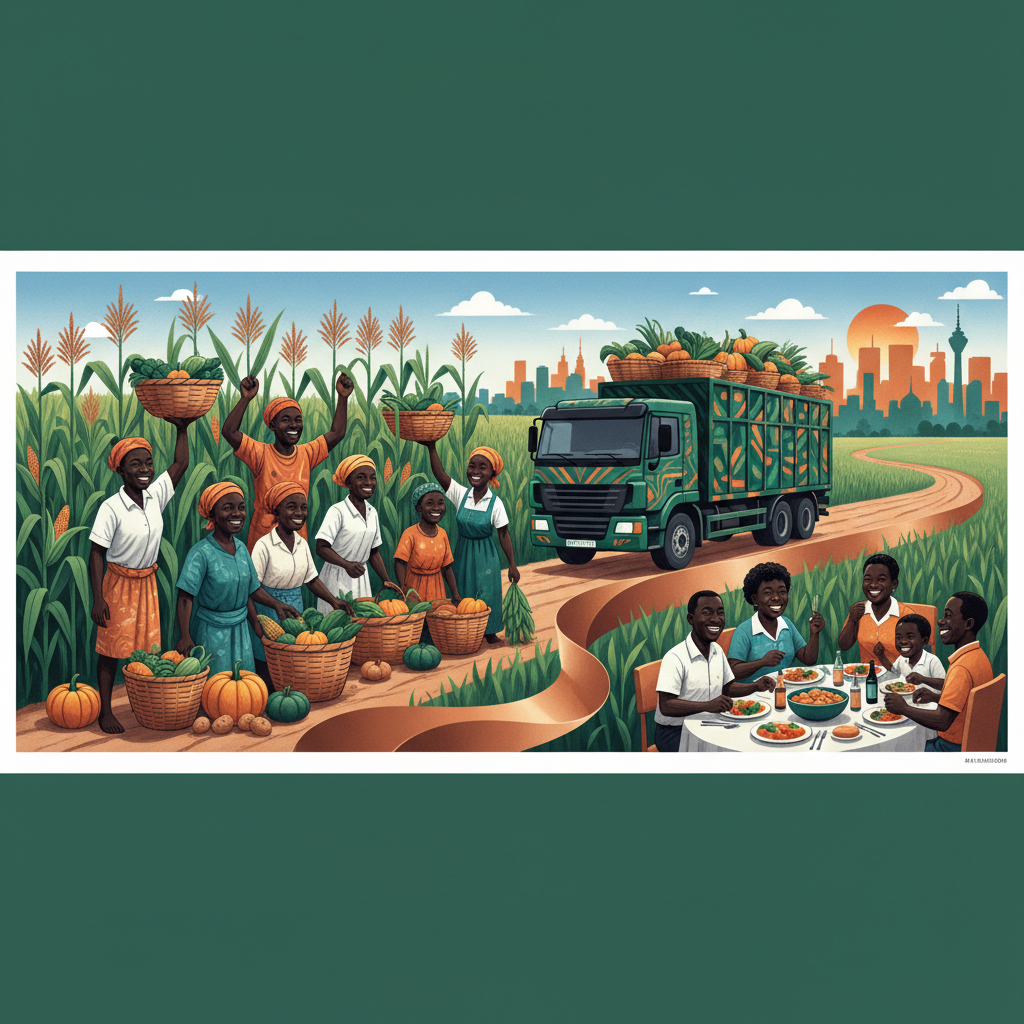
Zambia has cemented its status as a rising agricultural powerhouse in Southern Africa following the formalization of a massive grain export agreement with Kenya. Sealed at the Cabinet Office in Lusaka, the deal commits Zambia's Food Reserve Agency (FRA) to supplying up to 540,000 metric tonnes of White Grade A non-GMO maize to the East African nation. This strategic cross-border partnership comes as Kenya grappled with severe domestic production shortfalls, driven largely by prolonged dry spells and depressed rainfall in critical growing regions like the North Rift. The logistics of the multi-phase supply arrangement outline a steady stream of grain designed to stabilize Kenyan market prices without straining Zambian reserves. According to Siazongo Siakalenge, Zambia's Deputy Secretary to the Cabinet for Finance and Economic Development, the 540,000-tonne consignment will be divided into six distinct batches. Five major shipments of 100,000 tonnes will be dispatched at three-month intervals, followed by a final concluding tranche of 40,000 tonnes. Rather than locking in a rigid, upfront price, both the FRA and Kenya's Baita Trading Company have agreed to a flexible pricing structure, meeting prior to each tranche to negotiate rates reflecting prevailing regional market conditions. This high-volume trade pact is the direct result of Zambia’s unprecedented agricultural performance during the recent farming season, which yielded a bumper harvest exceeding 5.1 million metric tonnes of maize. While domestic consumption remains fully cushioned and staple mealie-meal prices are kept stable locally, the massive surplus has given government officials and private entrepreneurs a golden opportunity to aggressively target external markets. The initiative aligns seamlessly with the government's broader 'Grow Zambia' agenda, an ambitious policy framework aimed at scaling up annual maize production toward 10 million metric tonnes. Beyond merely filling granaries across East Afr