Lavushimanda reports no Anthrax cases in Livestock
AGRICULTUREBy ZPP Newsroom
Source: Lusaka Times
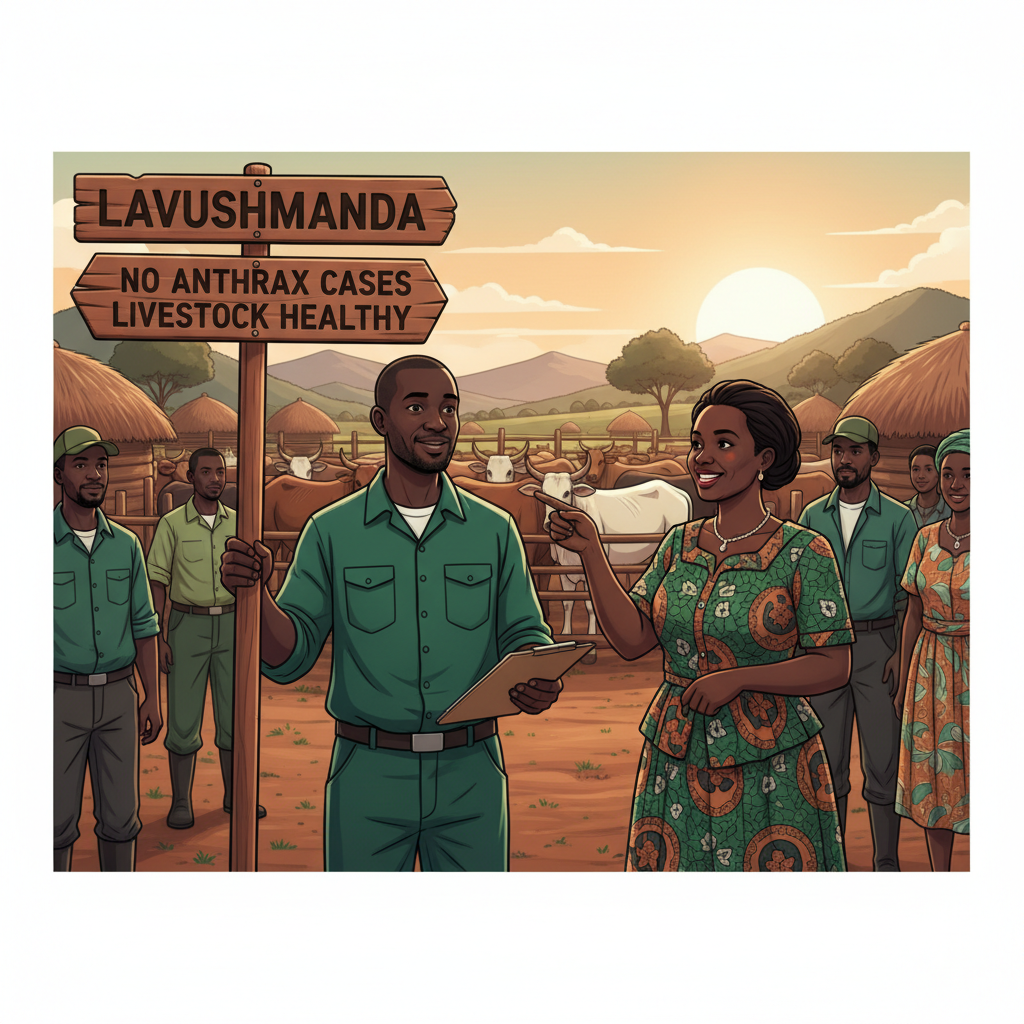
The Department of Fisheries and Livestock in Lavushimanda District of Muchinga Province has officially confirmed that the area remains free from anthrax following rigorous surveillance and monitoring operations. Lavushimanda District livestock authorities assured farmers and members of the public that no suspicious deaths or clinical signs of the bacterial disease have been detected among cattle, goats, or other livestock populations within the district boundaries. This announcement comes as a welcome relief to local livestock keepers who depend heavily on animal husbandry for their livelihoods and food security. Anthrax is a severe bacterial disease caused by Bacillus anthracis, affecting both animals and humans. Given its high fatality rate and potential for transmission from animals to humans, livestock departments across Zambia maintain heightened vigilance, particularly during dry seasons when grazing patterns change and spores can be more easily ingested from the soil. The local fisheries and livestock office noted that routine vaccinations, community sensitization programs, and proactive disease surveillance have played a crucial role in maintaining this disease-free status in Lavushimanda. Farming communities in Muchinga Province have been commended by veterinary officials for their cooperation and prompt reporting of any unusual animal health issues. Extension officers continue to conduct outreach programs, educating farmers on the clinical signs of anthrax—such as sudden death in animals, dark uncoclotted blood oozing from natural orifices, and rapid bloating—to ensure immediate containment should any threat emerge in the future. While Lavushimanda remains unaffected, neighboring districts and livestock farmers across Zambia are encouraged to maintain strict biosecurity measures and report any sudden livestock mortalities to veterinary personnel immediately. The government remains committed to safeguarding the national herd through sustained disease sur