African wild dogs trek thousands of kilometres to find mates, study shows
ENVIRONMENTBy ZPP Newsroom
Source: CNA
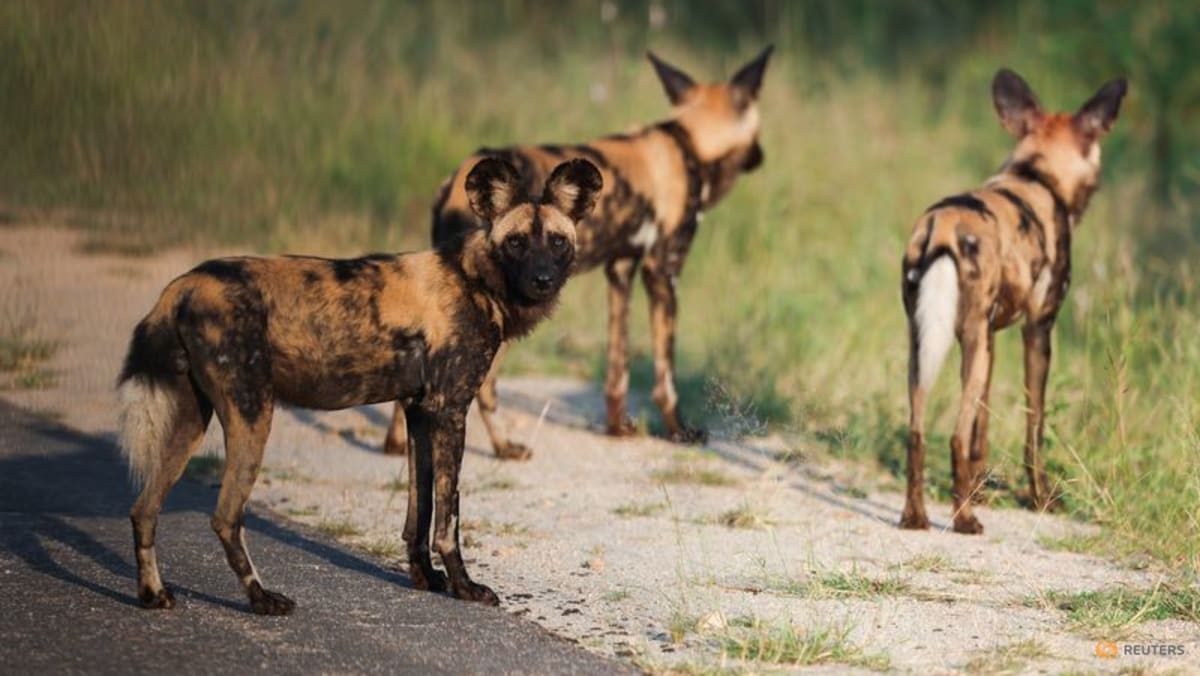
A landmark scientific study published in the journal Ecology has revealed extraordinary insights into the survival and movement patterns of African wild dogs, focusing heavily on unprecedented tracking data gathered across Zambia. According to the research, three male littermates—dubbed the Mayukuyuku males—traveled a staggering 4,126 kilometres (2,564 miles) over an eight-to-nine-month period after leaving their natal pack in Kafue National Park. This phenomenal journey stands as the longest recorded dispersal for any African land mammal, offering groundbreaking evidence of how endangered wildlife navigates increasingly fragmented habitats. The research, spearheaded by international scientists alongside the Zambian Carnivore Programme (ZCP), involved monitoring 19 wild dog groups using advanced GPS telemetry. Rather than taking a direct path, the tracked trio zigzagged across the Zambian landscape, winding past industrial hubs, skirting major cities, and navigating rivers and escarpments. Despite the straight-line distance between their starting point and final destination being only a fraction of the distance covered, the dogs successfully bypassed intense human-dominated terrain to settle in a game management area between South Luangwa and Lower Zambezi national parks. Conservationists note that these staggering migrations carry profound implications for biodiversity management in Southern Africa. For decades, rapid human population growth and agricultural expansion have threatened to isolate wildlife populations, cutting off gene flow and increasing the risk of inbreeding. However, this new data suggests that critical wild dog populations across Eastern and Southern Africa remain surprisingly interconnected. The capacity of these canines to traverse thousands of kilometres of unprotected or semi-protected land underscores the vital importance of transfrontier conservation areas and open migratory corridors. Yet, these epic odysseys are fraught with mortal per