Precision agriculture is the future
BUSINESSBy ZPP Newsroom
Source: Zambia Daily Mail
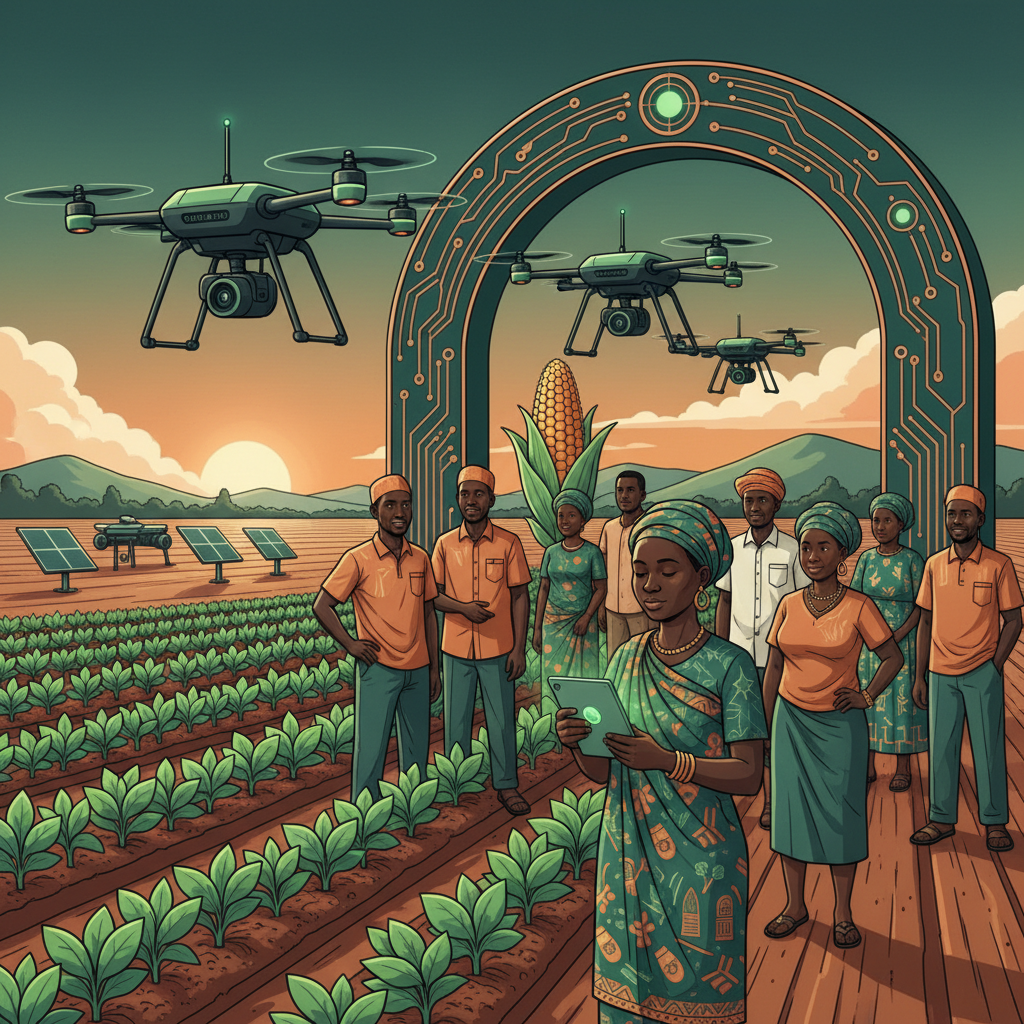
Zambia’s agricultural future lies firmly beneath our feet. For decades, farmers across the country have been expected to produce more food, feed a rapidly growing population, and contribute significantly to national economic growth, often without access to one of the most basic pieces of information they need: what is actually in the soil they cultivate? Fortunately, that paradigm is beginning to shift as the nation embraces precision agriculture as a necessary tool for sustainable development and food security. For too long, fertilizer application across Zambia has been driven by a broad, blanket approach, despite the stark reality that soils differ immensely from one region to another. What yields positive results in the fertile plains of Southern Province may not deliver the same outcomes in Luapula or the Northern Province. Consequently, farmers have frequently spent hard-earned capital on agricultural inputs that do not match the specific nutrient requirements of their land, leading to disappointing harvests and unnecessary financial strain. To address this systemic bottleneck, the ongoing national soil sampling and mapping exercise undertaken by the Ministry of Agriculture, with crucial technical and financial support from the Food and Agriculture Organization (FAO), represents a monumental step forward. Thousands of soil samples are currently being collected and analyzed nationwide to map out a comprehensive inventory of Zambia's soil capabilities. This scientific undertaking is expected to culminate by May 2027, setting the stage for a much more knowledge-driven agricultural economy. The implications of these soil maps extend far beyond laboratories and academic reports; they are expected to revolutionize commercial and smallholder farming alike. Fertilizer manufacturers must utilize these empirical findings to formulate region-specific blends, ensuring that farmers apply precisely what their fields require. Furthermore, matching specific crops—whether ma