WE DO NOT SUPPORT CALLS TO REMOVE PRESIDENTIAL TERM LIMITS, CONSTITUTIONAL AMENDMENTS MUST BE DONE IN THE INTEREST OF ALL ZAMBIANS – Council of Churches in Zambia (CCZ)
POLITICSBy ZPP Newsroom
Source: Zambian Observer
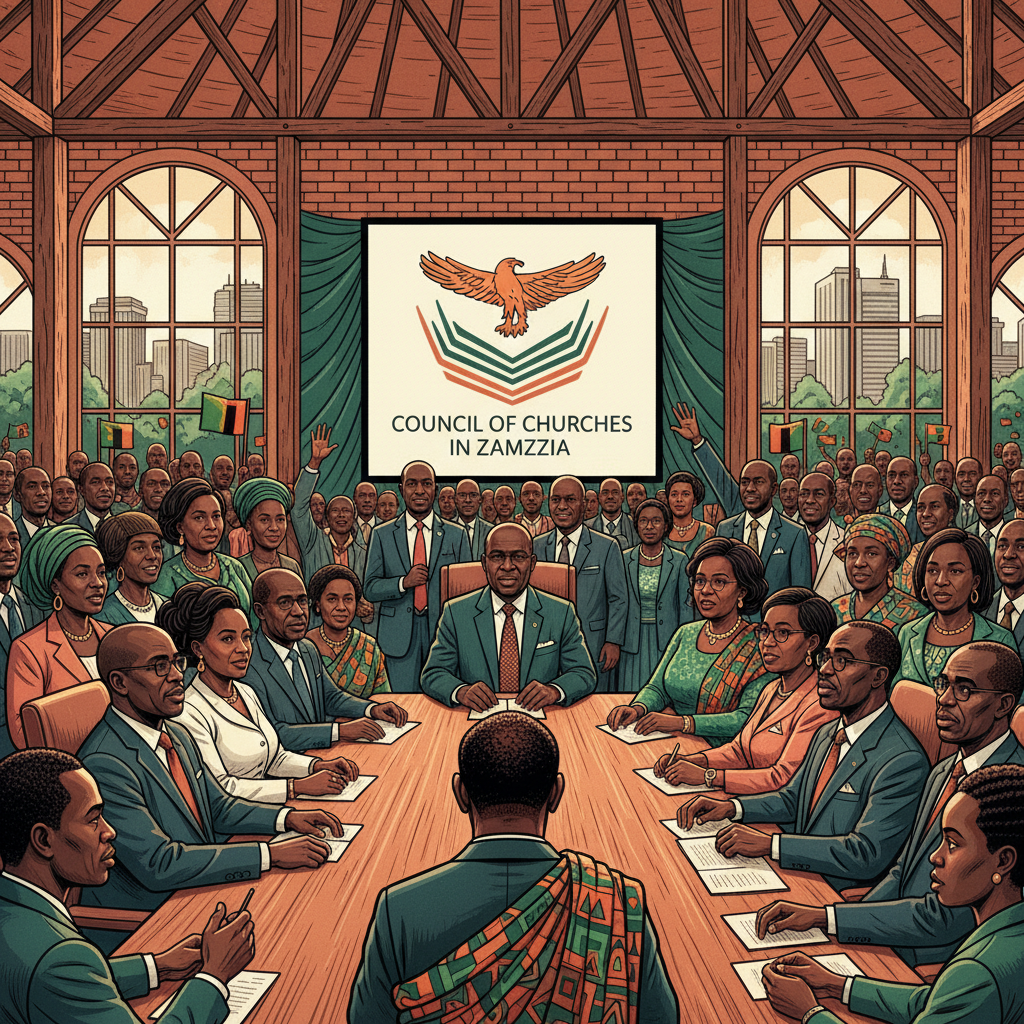
The Council of Churches in Zambia (CCZ) has firmly reiterated its stance against any propositions or public lobbying aimed at removing presidential term limits enshrined in the republican constitution. In a strongly worded statement released in Lusaka, the ecumenical body stressed that any future constitutional reforms must be pursued transparently and strictly in the broader interest of all Zambians, rather than to accommodate political expediency or individual ambitions. This intervention by the CCZ comes in the wake of mounting public discourse and speculative debates regarding potential constitutional adjustments. Civil society groups, religious organizations, and legal minds have grown increasingly vocal about safeguarding democratic tenets that prevent the centralization of executive power. The CCZ underscored that presidential term limits act as a vital democratic safeguard, ensuring peaceful transitions of power and preventing the entrenchment of authoritarian governance structures. Zambia's political history offers profound lessons regarding executive tenure and constitutional integrity. Memories of the historic resistance against third-term bids in past administrations remain vivid within the national consciousness. Observers note that civil society and faith-based institutions have historically served as critical buldrwarks against democratic backsliding, often mobilizing public opinion to protect foundational governance frameworks established under the 2016 constitutional amendments. The debate over term limits also intersects with broader discussions surrounding institutional strengthening, economic stability, and democratic maturity. Stakeholders argue that national development relies less on the longevity of a single individual in office and more on robust, independent public institutions capable of outliving transient political administrations. By taking a definitive stand, the CCZ has reignited a crucial national conversation on the sanctity of c