RCZ former synod moderator dismissed from church for participating in politics
INSTITUTIONSBy ZPP Newsroom
Source: Zambian Observer
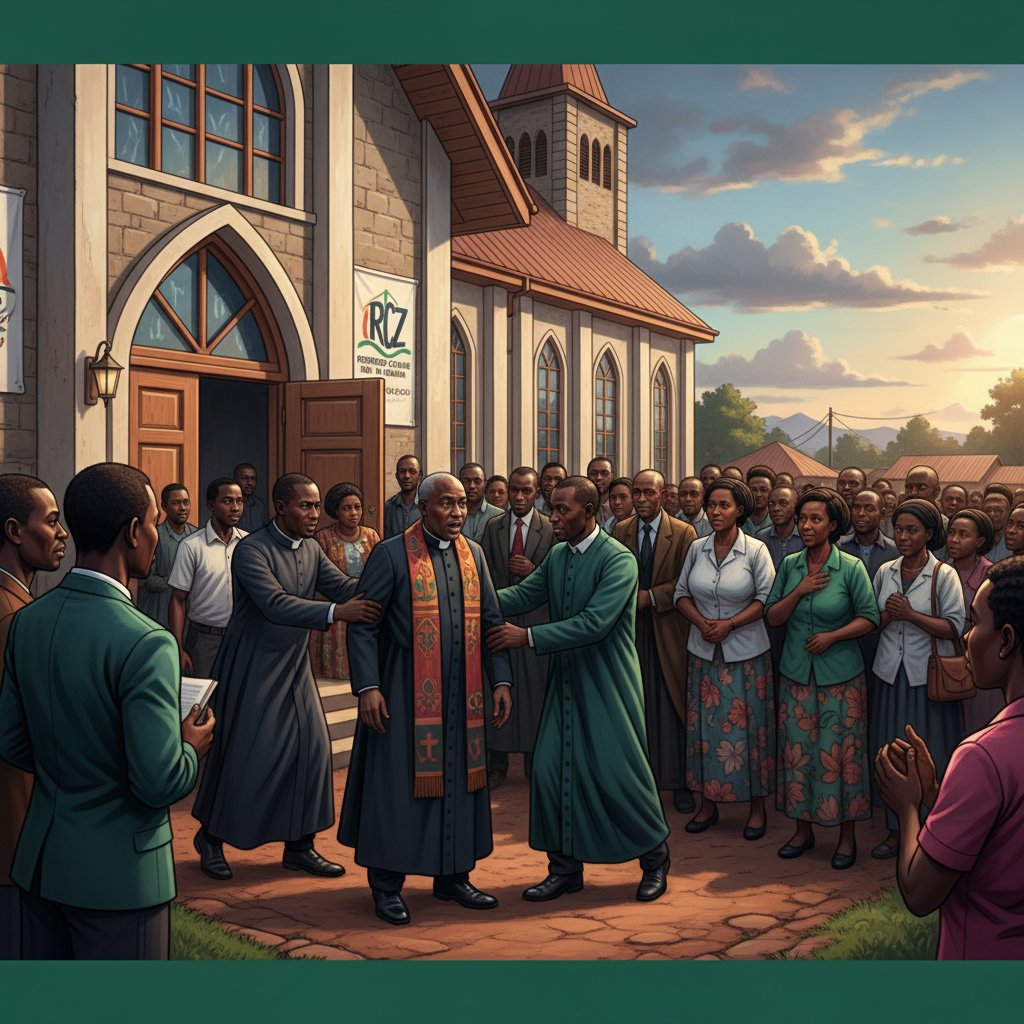
The Reformed Church in Zambia (RCZ) has taken decisive action against its former leadership by dismissing Reverend Clement Mwanza, a former vice synod moderator, following his active participation in partisan politics. The church leadership maintained that church constitutions and internal by-laws strictly prohibit members of the clergy from serving in active political roles while maintaining their sacred duties as ministers of the Word and sacraments. According to institutional guidelines outlined by the RCZ synod, religious leaders are expected to maintain strict neutrality to preserve the spiritual integrity and moral authority of the church. The decision underscores a long-standing principle within several mainstream Zambian Christian denominations that draws a hard line between spiritual stewardship and partisan political alignment. Church officials emphasized that while clergy members retain their civic rights as citizens, crossing into active party politics creates an untenable conflict of interest that compromises the church's prophetic voice. The development has triggered widespread debate among congregants and observers across the country regarding the boundaries of religious engagement in national governance. While some church members commended the synod for upholding internal discipline and protecting the institution from political polarization, others argued that clergy should be free to contribute directly to civic leadership and national development. The RCZ has consistently reiterated its stance that its primary mandate is to foster spiritual growth, national healing, and social justice without being compromised by party affiliations. Reverend Mwanza's dismissal serves as a stark reminder of the delicate balance religious institutions must navigate within Zambia's vibrant and competitive political landscape. As political alignments shift and national discourse intensifies leading up to electoral cycles, church mother bodies continue to face immens