Technically, Edgar Lungu illegally stood for a third term in defiance of our Constitution
POLITICSBy ZPP Newsroom
Source: Zambian Observer
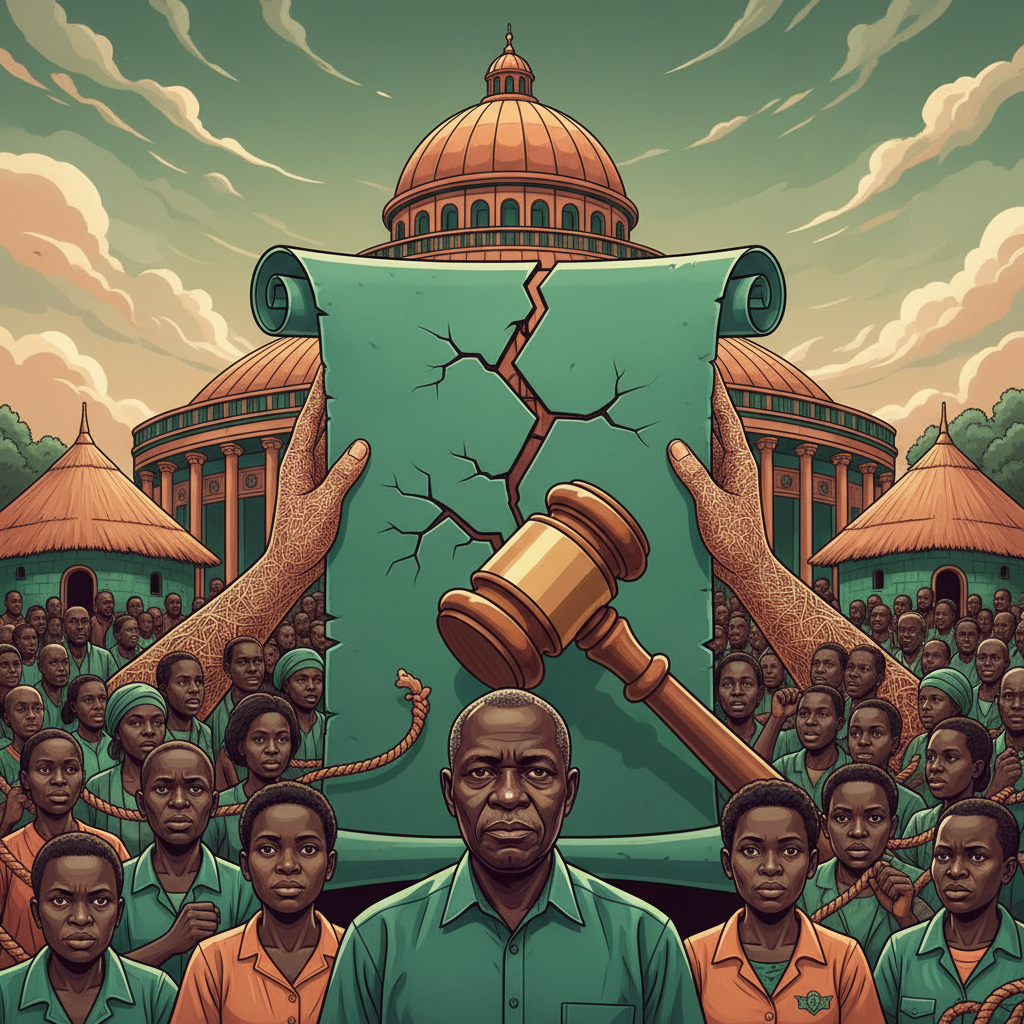
The legacy of former President Edgar Lungu's tenure and his various bids for the Zambian presidency remain a subject of rigorous constitutional scrutiny. Observers continue to debate the technicalities surrounding his ascendance to power following the untimely death of President Michael Sata in 2014, his subsequent victory in the 2015 by-election, and his full term secured in the 2016 general elections. At the heart of the ongoing discourse is the interpretation of constitutional term limits and how judicial interventions at various stages influenced the political trajectory of the country. Under Zambia's legal framework, the question of what constitutes a full presidential term has experienced notable shifts. When the Constitutional Court previously addressed the matter ahead of the 2021 general elections, it ruled that the transitional period and the partial term served from 2015 to 2016 did not amount to a full term under a holistic reading of the amended 2016 Constitution. This ruling effectively cleared the path for his participation in the 2021 polls. However, critics and legal purists have consistently argued that allowing a leader to contest under ambiguous legal interpretations undermines the foundational spirit of presidential term limits enshrined to prevent the consolidation of executive power. The debate gained renewed momentum as subsequent legal challenges and shifting jurisprudence revisited the criteria for executive eligibility. Legal scholars point out that the timing of court rulings often leaves a profound impact on electoral integrity, noting that retrospective clarity can sometimes lag behind political reality. For a democracy striving to strengthen its institutional checks and balances, the Lungu term-limit saga serves as a critical case study on the intersection of transitional law, judicial independence, and constitutional drafting precision. Furthermore, the broader socio-economic implications of these legal battles cannot be understate