Hichilema Has Worked, 2026 “Ni Sonta Epo Wabomba” – Mwaliteta
POLITICSBy Lusaka Times — Lusaka Times
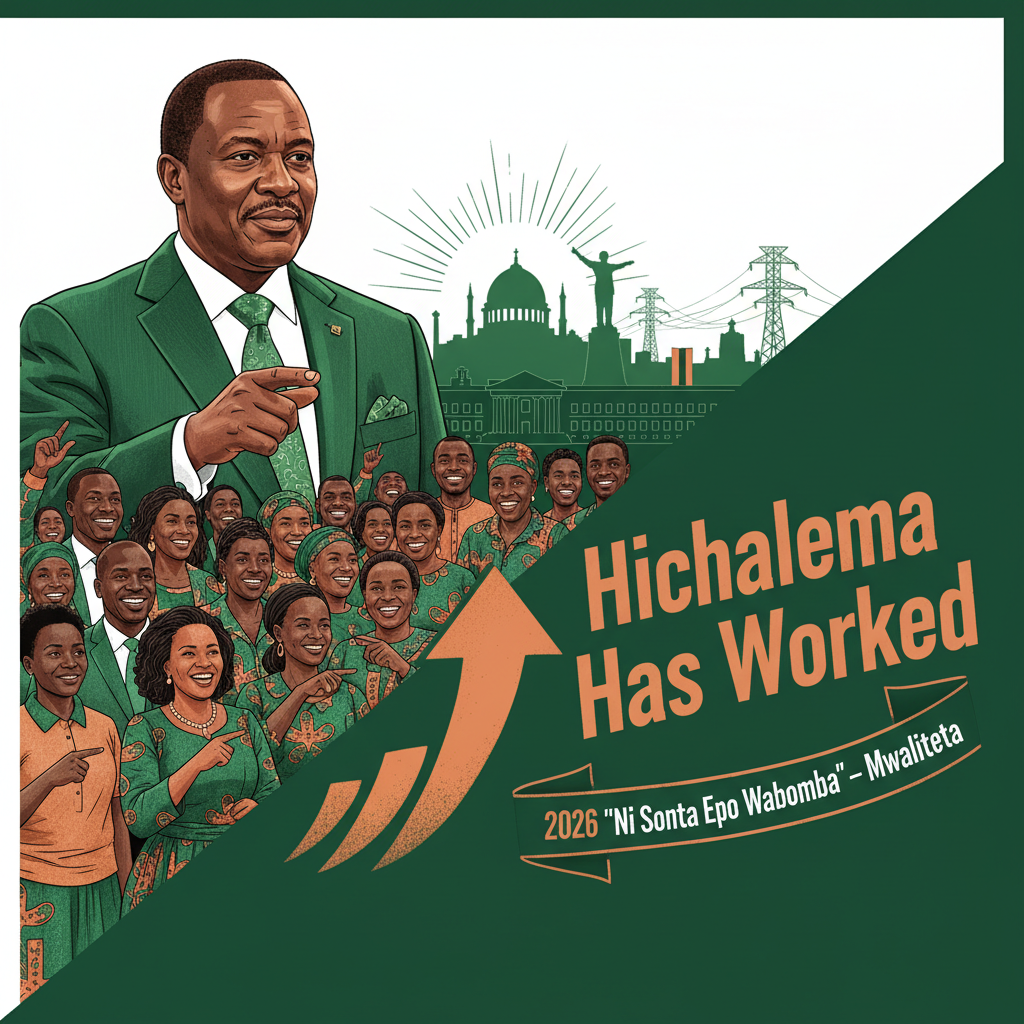
LUSAKA – The ruling United Party for National Development (UPND) is already setting its sights on the 2026 general elections, with Lusaka Province Chairperson Obvious Mwaliteta confidently stating that President Hakainde Hichilema's tenure has provided a clear and undeniable campaign platform. According to Mwaliteta, the party's message will be a simple yet powerful one: "Ni Sonta Epo Wabomba" – a Bemba phrase meaning "point to where you have worked," signifying tangible achievements. Mwaliteta's pronouncement underscores the UPND's strategy to leverage its record of governance as its primary electoral asset. He suggests that the administration's efforts in various sectors, from economic reforms to social welfare programmes, will be evident to the electorate. This approach aims to counter potential criticisms from opposition parties by focusing on concrete deliverables and improvements in the lives of ordinary Zambians since President Hichilema assumed office in August 2021. The Chairperson’s remarks come amidst ongoing national discussions regarding the cost of living, employment opportunities, and the implementation of key government policies such as the Constituency Development Fund (CDF) and free education. The UPND government has consistently highlighted its commitment to restoring economic stability, fighting corruption, and improving public service delivery. Mwaliteta's confidence reflects an internal party belief that these initiatives, despite facing various challenges, have laid a solid foundation for future development and warrant re-election. Historically, Zambian elections have often been influenced by the perceived performance of the incumbent, particularly regarding economic conditions and infrastructure development. The "Ni Sonta Epo Wabomba" slogan echoes similar sentiments seen in past campaigns where parties sought to showcase their developmental footprints. For the UPND, this means emphasizing projects like road rehabilitation, increased agric