JUDAS ISCARIOT VIBES: WHEN HH WAS LEFT TO CARRY THE 2026 CAMPAIGN
POLITICSBy Miyanda Laiti
Source: Zambian Observer
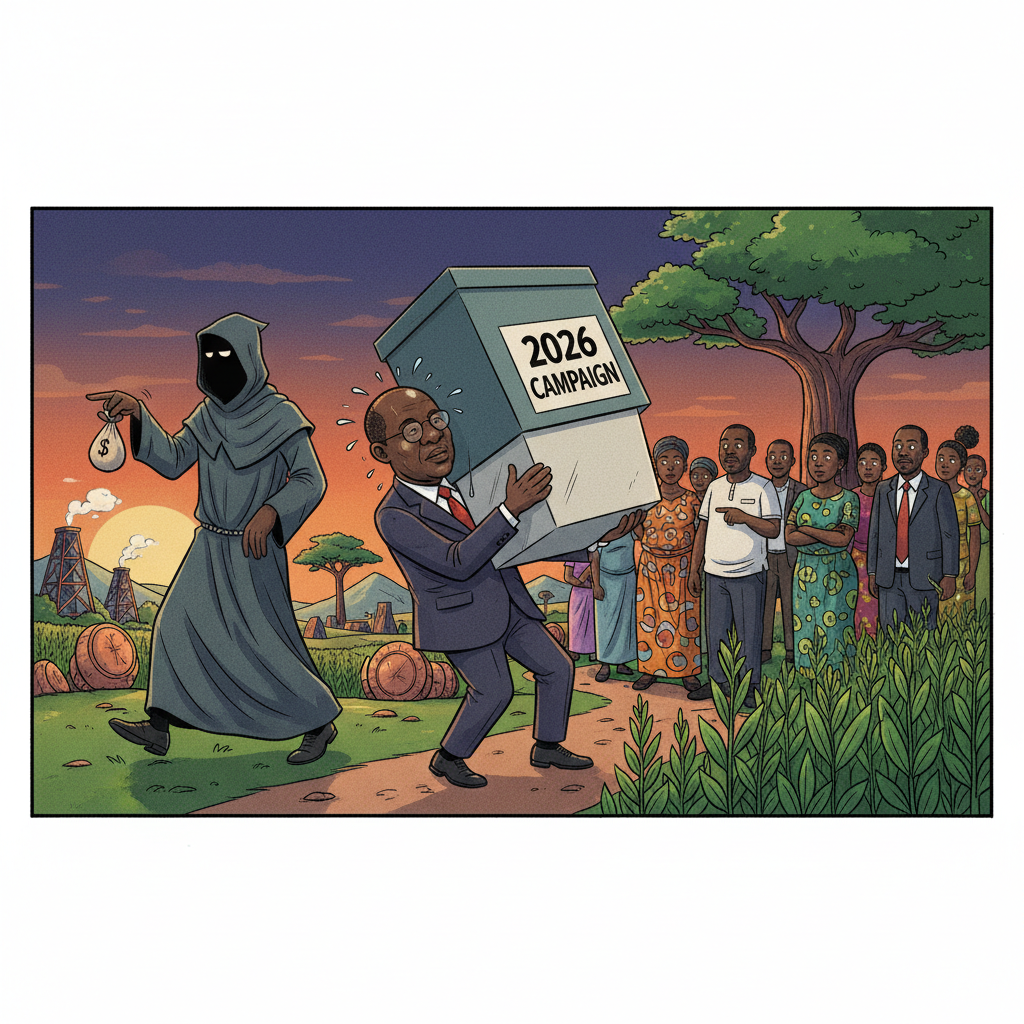
The political landscape in Zambia ahead of the 2026 general elections has sparked intense debate regarding party dynamics and campaign strategy within the ruling United Party for National Development (UPND). Recent commentaries, such as reflections by political analysts on the heavy reliance on President Hakainde Hichilema, highlight a growing concern that the principal leader is increasingly left to shoulder the immense weight of political communication, mobilization, and defense of government policy single-handedly. Observers point out that while a national campaign requires a robust, synchronized collective effort from the entire party machinery, structural gaps and complacency among junior leaders often push the presidency into the direct line of fire. This phenomenon of a singular figure dominating the political narrative creates both tactical advantages and severe vulnerabilities. On one hand, President Hichilema remains the primary face and anchor of the reform agenda, appealing directly to the electorate through his personal credibility and anti-corruption stance. On the other hand, the heavy focus on the presidency risks exposing leadership deficits within the broader party apparatus. Critics and independent analysts argue that when regional coordinators, cabinet ministers, and parliamentary candidates fail to vigorously defend policy rollouts—such as economic restructuring and decentralization initiatives—it creates a dangerous vacuum on the ground. Historical precedents in Zambian politics show that ruling parties frequently suffer from internal fatigue as a term progresses. The transition from stabilization policies to growth-oriented milestones brings unique socioeconomic pressures, ranging from cost-of-living adjustments to complex debt-restructuring outcomes. When structural challenges persist, public frustration is often channeled directly toward the top office. Consequently, leaving the president to single-handedly carry the emotional and politica