Copper Gives Zambia an Opportunity but Resilience Will Define Its Legacy
BUSINESSBy ZPP Newsroom
Source: Zambian Mining News
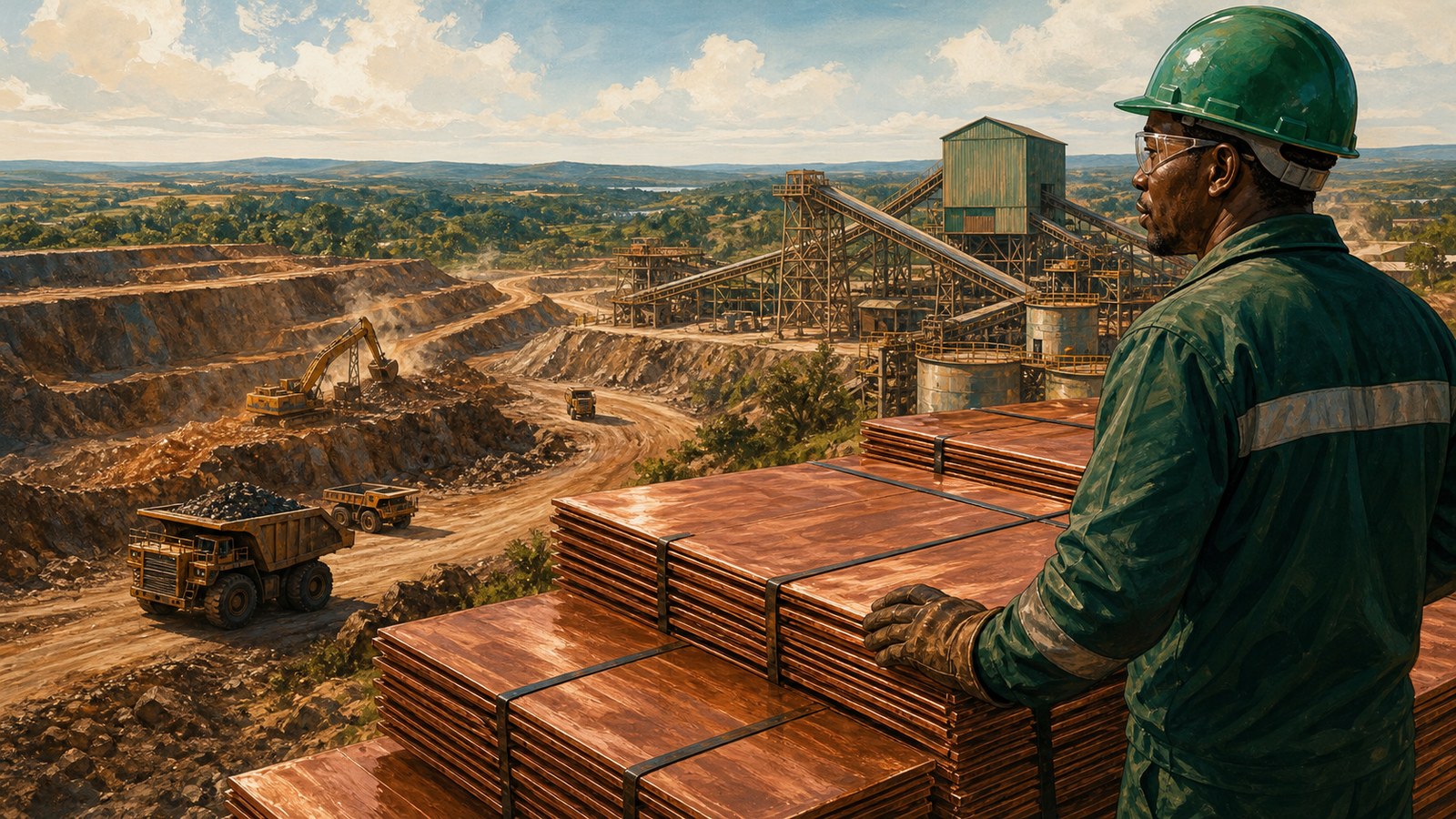
Zambia's macroeconomic narrative has officially shifted from the arduous post-mortem of its 2020 sovereign default to a more complex, growth-oriented horizon. According to the latest 2026/27 Rand Merchant Bank (RMB) 'Where to Invest in Africa' report, the country's economic standing is increasingly tied to its capacity to leverage global energy transition trends. With copper acting as the primary catalyst, the nation finds itself at a historical crossroads where mineral wealth must be deliberately translated into broader, sustainable industrial advancement. The global imperative for green energy technologies has sent copper prices and international interest soaring, casting a spotlight back onto the Copperbelt and newly developing mining frontiers across provinces. Yet, as the RMB report underscores, abundance alone does not guarantee equitable prosperity. Structural bottlenecks, ranging from energy security and logistical gridlocks to water management in extraction sites, pose ongoing threats to operational continuity. Ensuring that mining expansion runs parallel with robust infrastructure development remains an urgent priority for policymakers in Lusaka. Beyond raw extraction, the conversation among domestic economists has pivoted firmly toward value addition and local supply chain integration. For decades, Zambia has suffered from the classical 'resource curse,' exporting unprocessed ores while importing finished industrial goods. Stakeholders argue that capitalizing on the current investment momentum requires strict adherence to local content frameworks, targeted skills development, and deliberate policies that foster manufacturing ecosystems around battery metals and mineral processing. Simultaneously, the hard-won restructuring of Zambia's sovereign debt has successfully lowered perceived country risk premiums, opening doors for renewed foreign direct investment. However, investor confidence is a fragile commodity that demands fiscal discipline, regulatory