Government urged to address water challenges at Maule Rural Health Facility
HEALTHBy ZPP Newsroom
Source: Lusaka Times
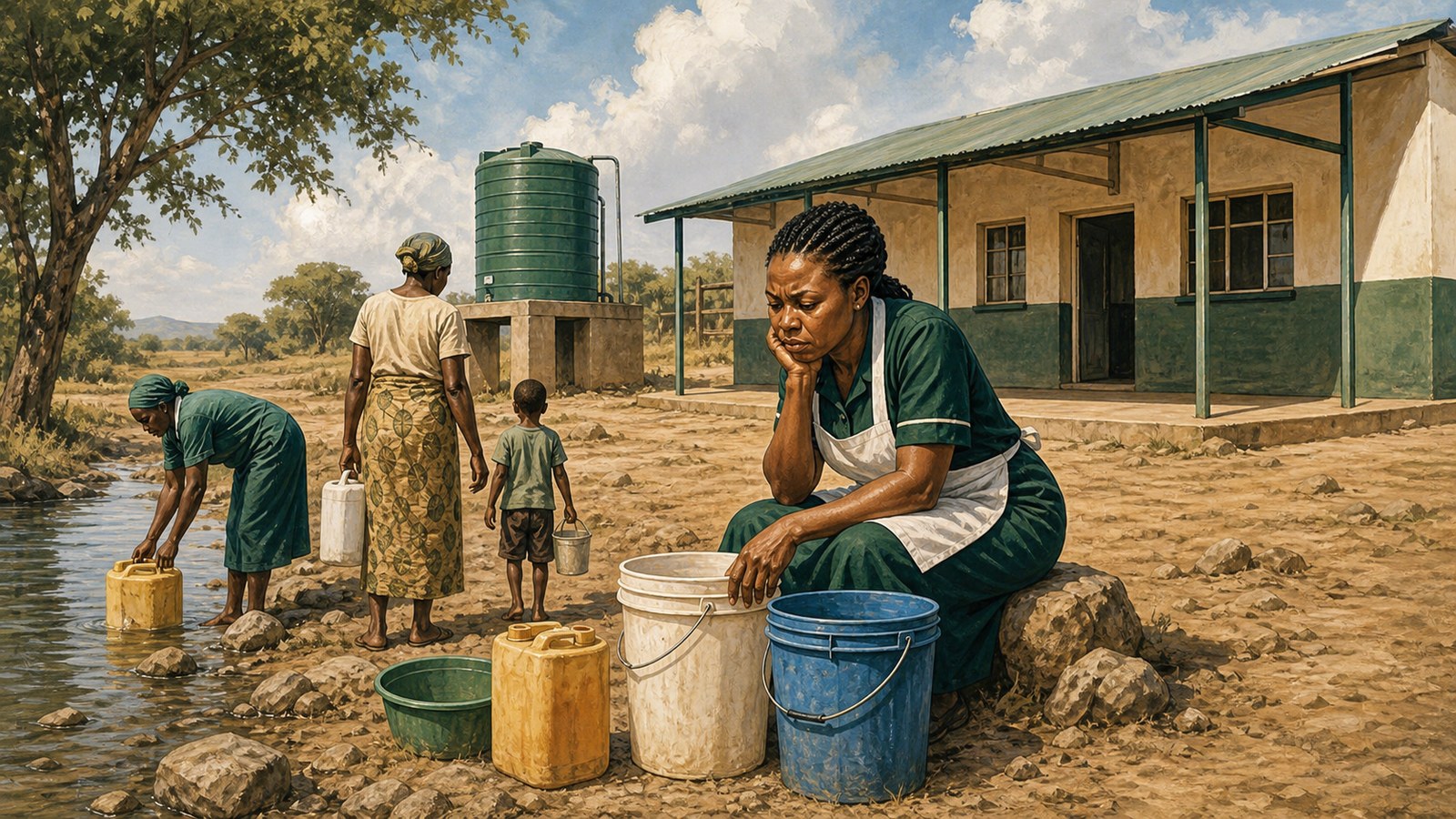
The persistent lack of a reliable water supply at the Maule Rural Health Facility in rural Zambia has sparked deep concern among local residents and healthcare advocates alike. Community members, led by concerned resident Perthias Sichula, have urgently appealed to the government to intervene and resolve the debilitating water crisis before it triggers a public health emergency. Without a consistent and safe water source, the facility struggles to maintain basic hygiene standards, severely threatening the safety and well-being of both patients seeking medical attention and the frontline health workers serving them. Healthcare delivery in remote Zambian communities heavily relies on primary health facilities like the one in Maule Village. However, the absence of running water or dependable boreholes means that medical personnel are often left helpless when trying to sterilize equipment, wash hands between procedures, or maintain sanitary wards. Water is an indispensable resource for clinical operations, maternal care, and infection prevention control. The current deficit exposes vulnerable groups, including pregnant women, newborns, and children, to preventable waterborne diseases and hospital-acquired infections. Local stakeholders note that this challenge is emblematic of broader infrastructural deficits affecting rural health outposts across various provinces in Zambia. While urban centers often command significant attention and resources, rural clinics frequently face structural neglect, characterized by broken-down solar pumps, dry boreholes, and a lack of quick-response maintenance teams from local authorities. Communities are routinely left to shoulder the burden, sometimes relying on contaminated streams or distant shallow wells when clinic taps run dry for weeks or months at a time. The appeal from Maule Village highlights the urgent need for a multi-sectoral approach involving the Ministry of Health, local councils, and rural water development agencies t