Zambian Govt has revealed that it still owes farmers K14.6 billion for maize supplied
BUSINESSBy ZPP Newsroom
Source: Zambian Observer
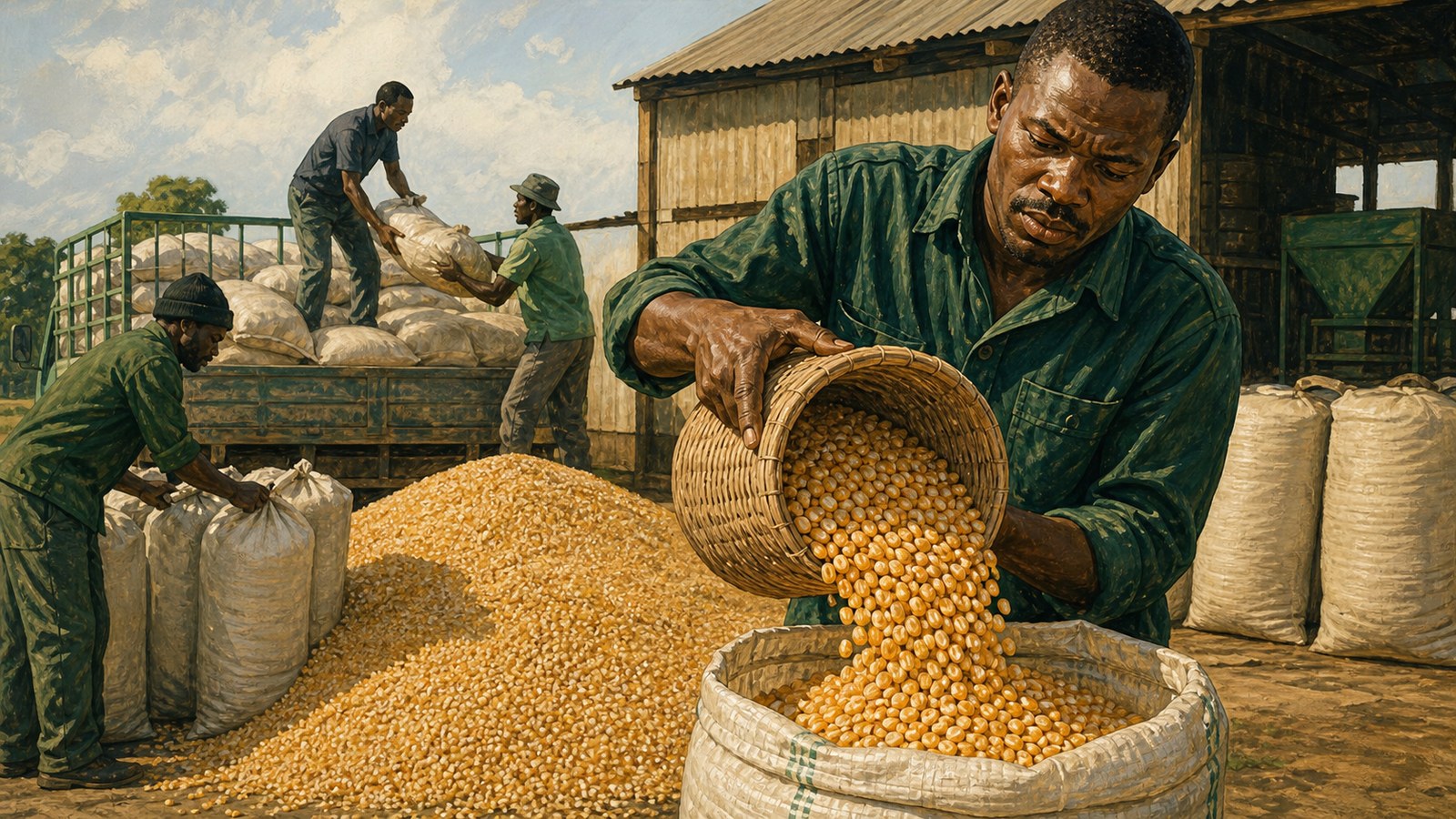
The Zambian Government has revealed that it owes farmers an outstanding balance of K14.6 billion for maize and rice supplied to the Food Reserve Agency (FRA) during the ongoing crop marketing season. Speaking during a ministerial statement in Parliament, Acting Minister of Agriculture Situmbeko Musokotwane disclosed that the total value of crops purchased by the agency stands at approximately K18.7 billion, of which only K4.1 billion has been disbursed to date. The revelation underscores severe cash flow pressures facing agricultural producers across the country as they prepare for the upcoming farming season. The massive accumulation of arrears stems from an unprecedented surge in grain acquisitions by the state. The FRA purchased roughly 2.7 million metric tonnes of maize from over 1,850 buying depots nationwide, vastly outstripping initial procurement targets. While the aggressive buying strategy successfully bolstered national strategic food reserves to 4.1 million metric tonnes—safeguarding Zambia against regional climate shocks and anticipated dry spells—it severely strained public finances, leaving thousands of small-scale and commercial farmers empty-handed for months. To address the mounting crisis, the Treasury has tabled a supplementary budget aimed at injecting K14.7 billion into the agricultural sector to completely clear outstanding arrears. Dr Musokotwane assured the nation that the bulk of these payments will be disbursed progressively, with significant relief expected to reach farming households. Furthermore, the government is exploring regional export markets, having secured sales contracts for 1.7 million metric tonnes of surplus maize to generate revenue, improve stock turnover, and stabilize the agency's financial standing. Despite these administrative assurances, agricultural unions and stakeholders have expressed deep concern over the psychological and economic toll that delayed payments inflict on rural communities. Farming inputs such as