More than 760,000 farmers now hold input codes as the planting season opens
AGRICULTUREBy ZPP Newsroom
Source: Lusaka Times
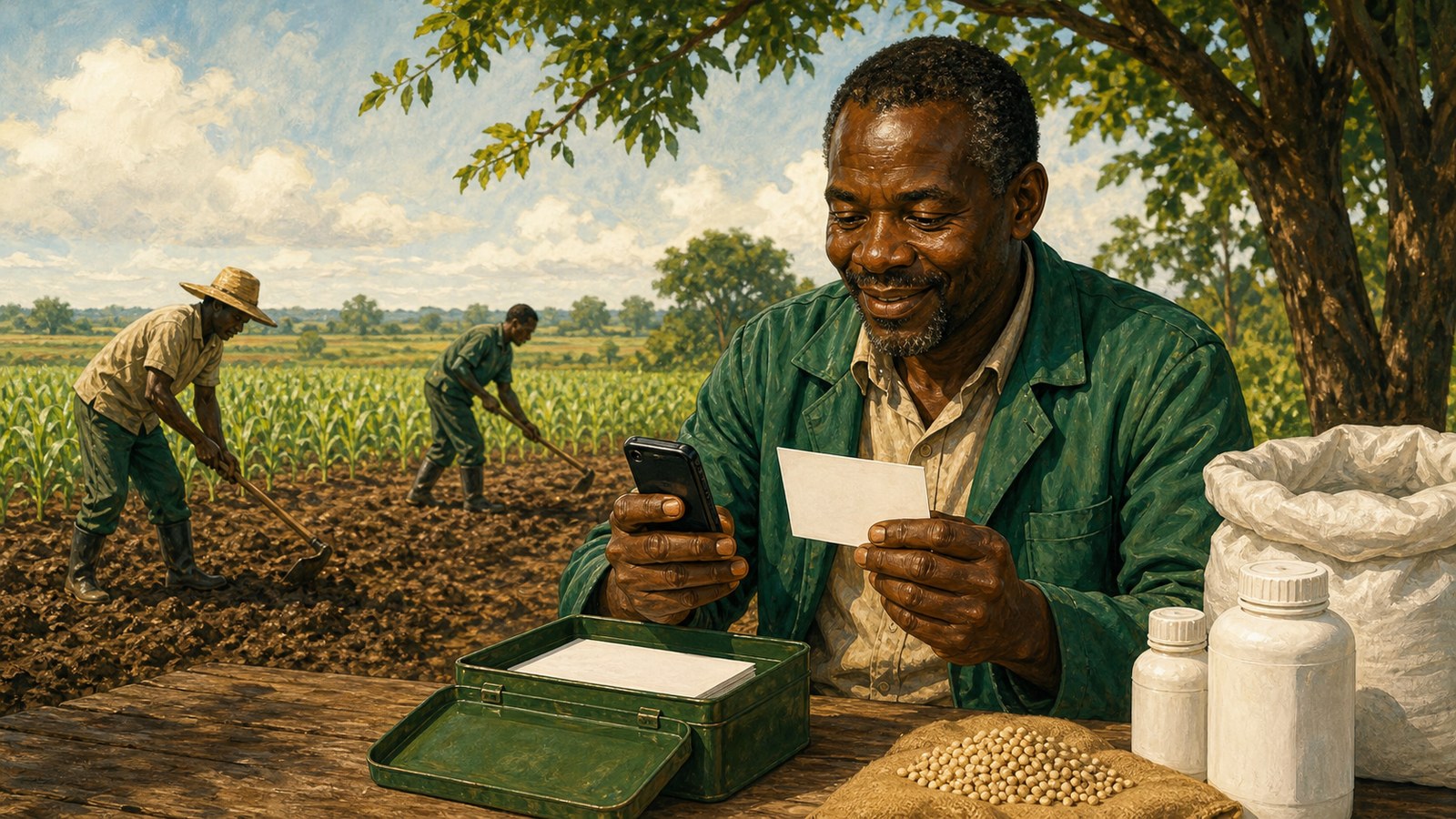
More than 760,000 farmers have received redemption codes under the Farmer Input Support Programme for the 2026/2027 season, according to the Ministry of Agriculture. The code is what turns a place on the programme into actual fertiliser and seed. Under the electronic voucher system, a farmer who has been approved and has paid their contribution receives a code, then takes it to an accredited agro-dealer to collect inputs. No inputs move without the farmer authorising the transaction. The pace has picked up considerably. In a statement at the start of September, the ministry said 270,523 farmers had been issued codes out of a target of 1,024,434, and that only 51,052 had actually redeemed inputs. The figure now stands at more than 760,000 codes issued, which is roughly three quarters of the target. ## What farmers are being told to do The ministry has repeatedly asked farmers to redeem their inputs in good time rather than waiting, and to keep their codes confidential. Codes have been a weak point in past seasons, because anyone who obtains a farmer's code can attempt to collect inputs in their name. Farmers in Chinsali were warned about exactly this in the middle of October. Agro-dealers have been told to serve eligible farmers without unnecessary delay and to keep adequate stocks of approved inputs. The ministry has said it will act against any dealer who obstructs farmers. Farmers have also been asked to speak to their agricultural extension officers and to follow official weather advisories before planting. ## Why it matters For most smallholders this programme is the only affordable route to fertiliser and certified seed. The calendar is unforgiving: maize planted after the rains have properly set in yields less, so a code redeemed in December is worth less than the same code redeemed in November. A farmer who cannot get inputs in time either plants a smaller field or plants without fertiliser, and the shortfall shows up a year later in household food sto