Government calls for concerted efforts in achieving Zambia’s climate objectives
ENVIRONMENTBy ZPP Newsroom
Source: Lusaka Times
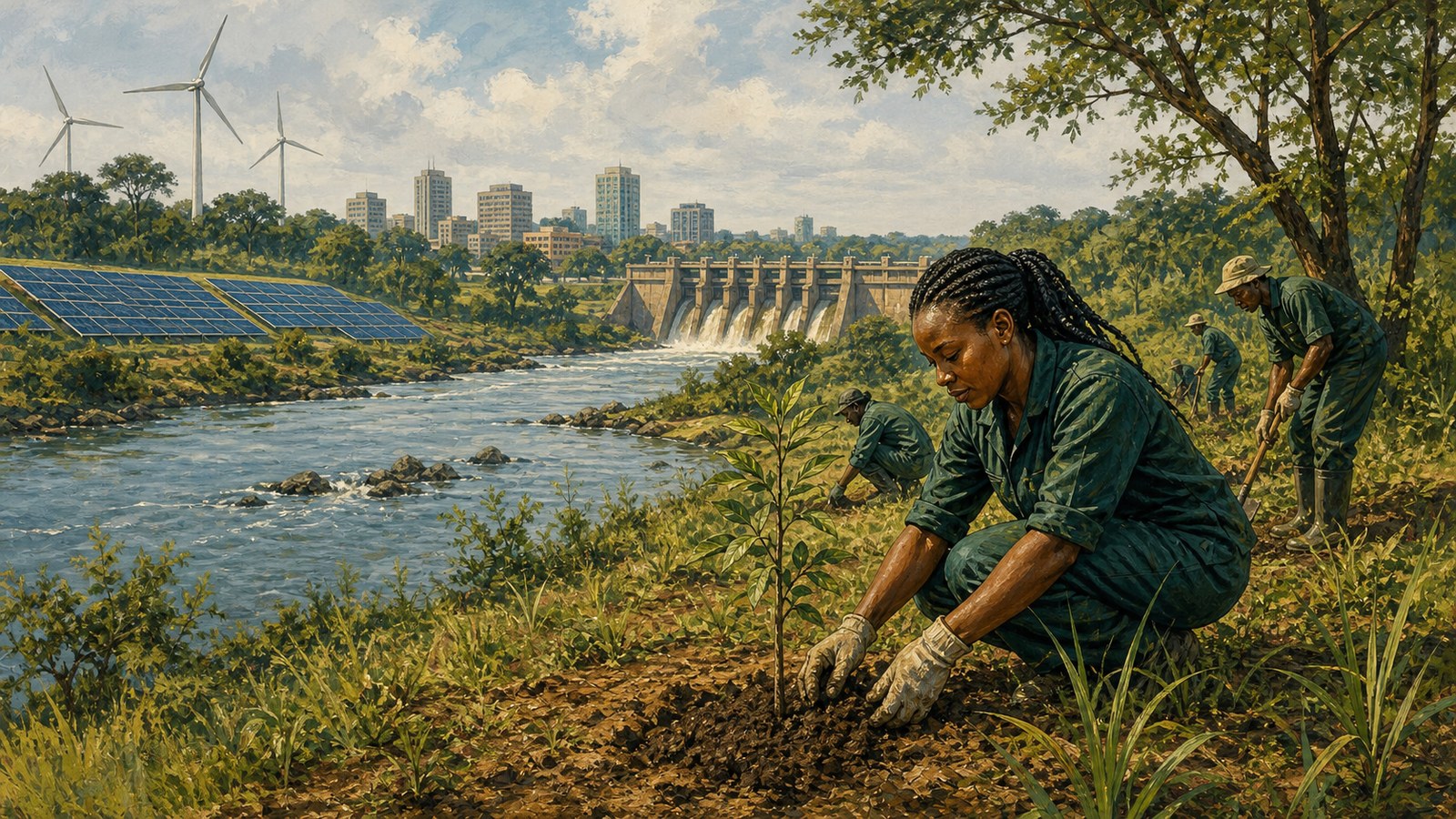
The Zambian government has issued a resolute call for concerted multi-sectoral efforts, robust institutional coordination, and enhanced mobilization of financial resources to ensure the successful realization of the country's national climate objectives. Addressing stakeholders during a strategic validation meeting in Lusaka, government representatives emphasized that translating high-level international commitments into tangible domestic results remains paramount as the nation grapples with recurring climate-induced shocks, including severe droughts and erratic rainfall patterns. Over recent years, Zambia has sustained significant economic pressure due to its heavy reliance on climate-sensitive sectors such as rain-fed agriculture and hydropower generation. In response, policymakers have stressed that fragmented interventions are no longer tenable. Achieving a climate-resilient and low-carbon economy under frameworks like the Eighth National Development Plan (8NDP) requires an integrated "whole-of-society" approach, bridging central government ministries, local authorities, civil society organizations, and private sector partners. A central pillar of the government's renewed push involves establishing transparent implementation mechanisms and tracking performance through reliable measuring, reporting, and verification (MRV) systems. Experts at the forum noted that while Zambia has formulated comprehensive Nationally Determined Contributions (NDCs) and secured initial green financing windows, closing the persistent gap between policy design and ground-level execution remains the definitive test for environmental governance. Financing continues to be a central bottleneck in fulfilling these environmental mandates. Authorities reiterated the urgency of leveraging both domestic budgets and international climate funds—such as the Global Environment Facility (GEF) and bilateral carbon market mechanisms—to support vulnerable rural communities. Investments in climate-sm