Kaoma launches Presidential Irrigation Initiative Programme
EDUCATIONBy ZPP Newsroom
Source: Lusaka Times
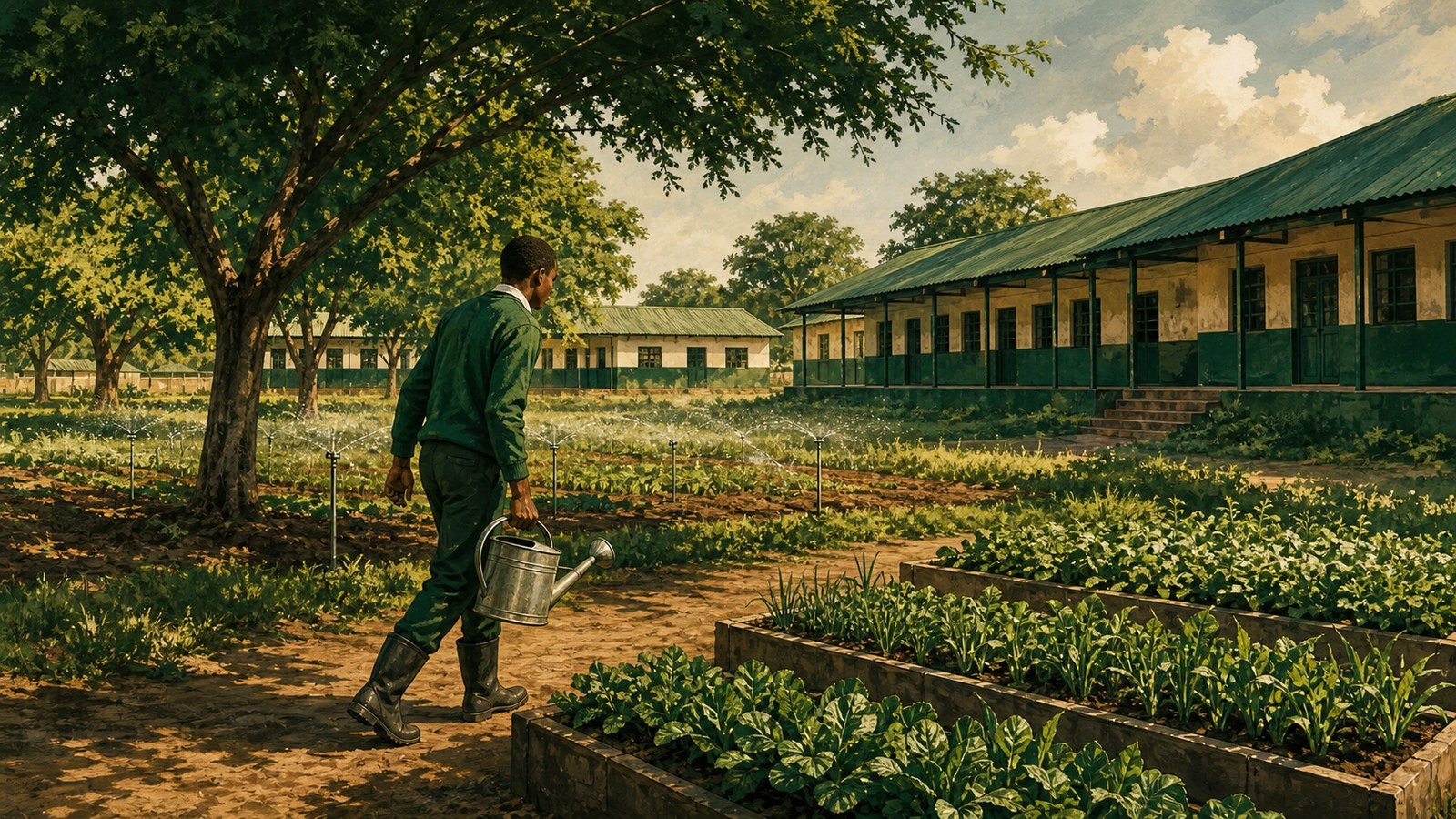
Kaoma Secondary School in the Western Province has officially launched the pilot Presidential Irrigation Initiative Programme, marking a strategic milestone for Kaoma District. As part of the broader Grow Zambia Agenda, the scheme is designed to transform educational institutions into active hubs of agricultural productivity and climate-smart innovation. By integrating modern irrigation techniques directly into school grounds, the government seeks to insulate food production from erratic weather patterns and build long-term resilience across rural communities. The initiative addresses a critical vulnerability in Zambia's agricultural sector, moving learning institutions and surrounding communities away from a heavy reliance on unpredictable rain-fed farming. Through the installation of sustainable irrigation systems, schools can engage students in practical, hands-on training covering modern crop management, irrigation engineering, and agribusiness. Education officials emphasize that this experiential learning model equips the younger generation with essential skills needed to drive future commercial agricultural endeavors. Furthermore, the programme serves a dual purpose by directly supporting the national School Feeding Programme. By cultivating maize and other essential crops locally through irrigation, participating schools can significantly supplement their nutritional requirements while cutting operational expenses. This localized approach ensures a steady, reliable food supply for learners, directly combating malnutrition and absenteeism associated with food insecurity in rural areas. The rollout in Kaoma mirrors parallel pilot phases unfolding in other provinces, demonstrating a coordinated national push by the administration to decentralize agricultural resilience. Stakeholders, including local civic leaders and agricultural extension officers, have praised the initiative for fostering a proactive mindset toward food security at the grassroots level. As