I don’t regret commenting on Archbishop Alick Banda’s personal differences with Govt – UPND ALIGNED LAWYER MCQUEEN
POLITICSBy ZPP Newsroom
Source: Zambian Observer
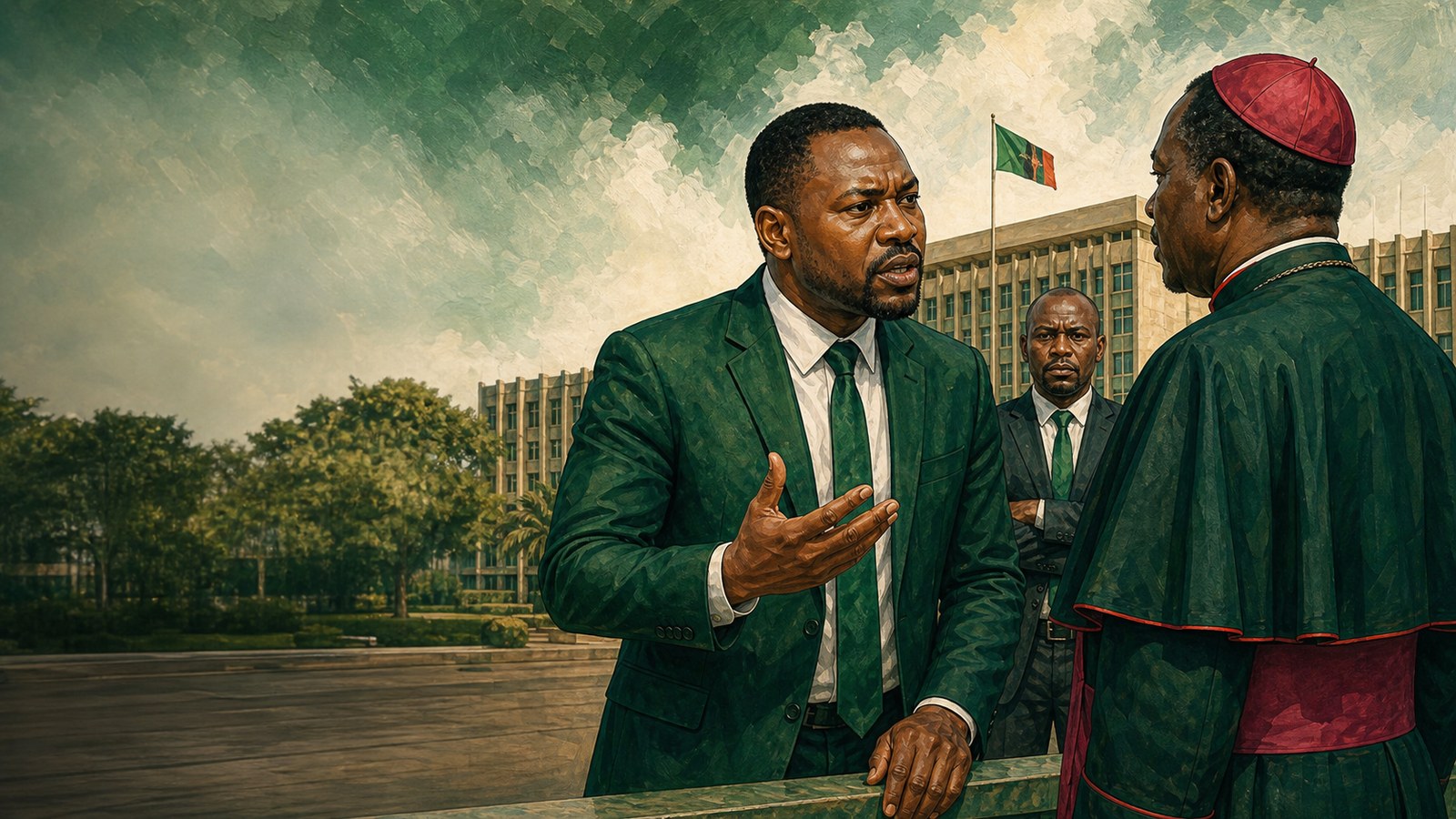
The intersection of partisan politics and religious affiliations in Zambia has once again taken center stage following a public fallout involving prominent UPND-aligned lawyer McQueen Zaza and the Catholic Church. Mr. Zaza has firmly maintained that he harbors no regrets over his recent decision to publicly critique Lusaka Archbishop Dr. Alick Banda regarding the clergyman's ongoing differences with the state. The controversy deepened after Mr. Zaza was reportedly excluded from a scheduled Catholic Men's League commissioning event, an omission widely attributed to the sharp backlash he faced from within the faith community over his social media commentary. The tensions trace back to wider political and legal frictions involving Archbishop Alick Banda, who has frequently drawn the ire of ruling party officials through his outspoken sermons criticizing governance and socioeconomic conditions. The situation escalated when the cleric faced investigations and subsequent court appearances led by the Drug Enforcement Commission (DEC). While state defenders insist that law enforcement agencies must operate without fear or favor irrespective of a citizen's calling, church leadership and opposition figures have repeatedly characterized these legal challenges as politically motivated harassment designed to silence critical voices. Within this charged environment, active political partisans who are also members of mainstream religious bodies find themselves navigating a precarious tightrope. Mr. Zaza, known for his vocal support of the ruling United Party for National Development (UPND), chose to openly challenge the Archbishop's stance, placing him directly at odds with segments of the local Catholic faithful. His subsequent exclusion from the lay league's commissioning underscores how deeply polarized communal spaces have become, where civic expressions of loyalty to the ruling administration can trigger immediate social and ecclesiastical repercussions. Observers note tha