Moody's lifts Zambia to Caa1 as the kwacha loses 3.4 percent in October, days before the budget
ECONOMYBy ZPP Newsroom
Source: Zambia Monitor
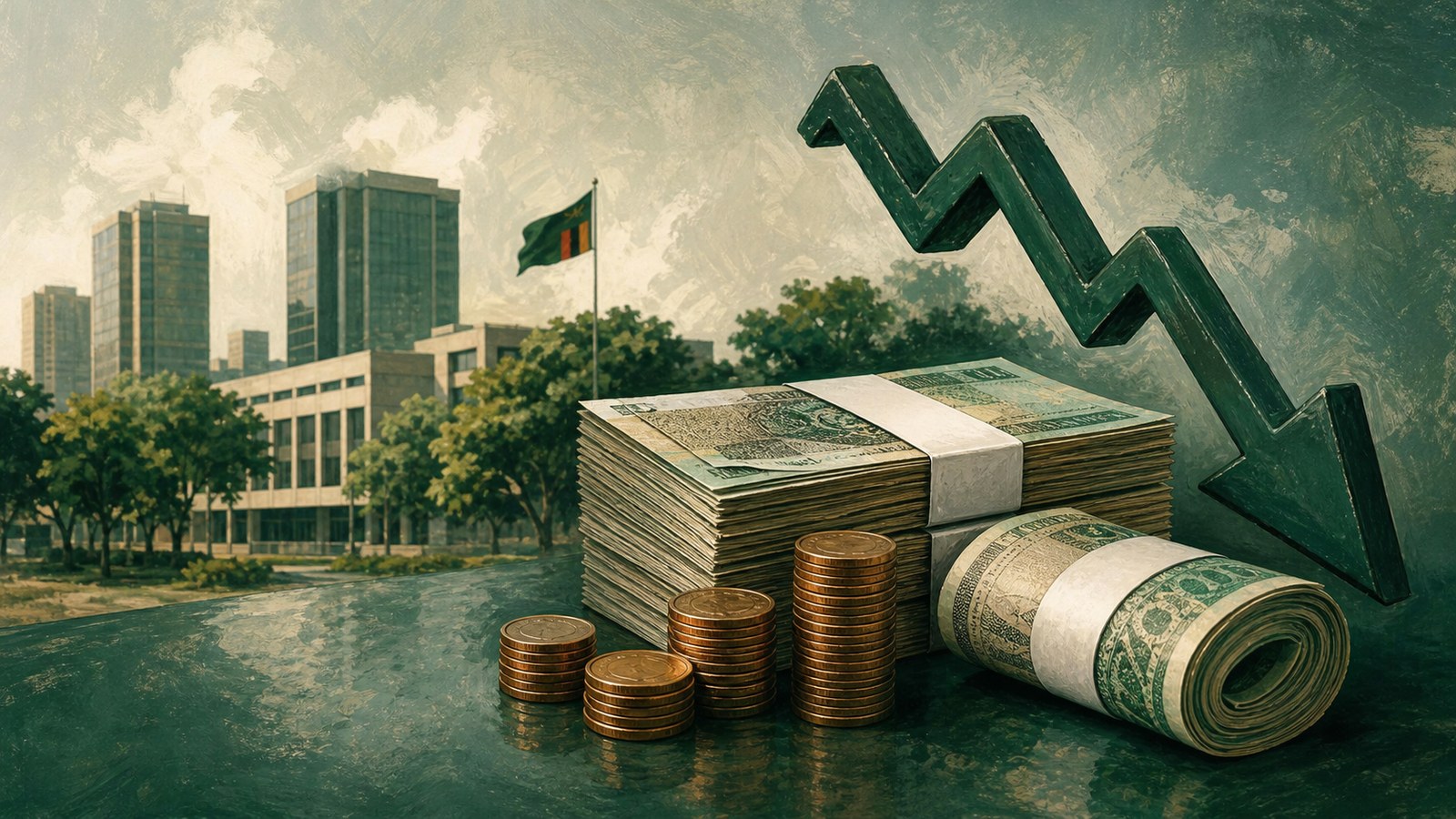
Moody's Ratings has upgraded Zambia's sovereign credit rating from Caa2 to Caa1 and kept a positive outlook, pointing to what it called substantial and sustained improvement in the government's debt position since Zambia's 2020 default. The agency announced the decision on 30 October, and the Ministry of Finance and National Planning welcomed it in a statement this week. The ministry credited debt restructuring, fiscal consolidation and macroeconomic stabilisation, and said the new rating could raise investor confidence, lower borrowing costs, bring in foreign investment and support the exchange rate. It added that the rating is not an end in itself and should be used for productive investment and better living standards. The upgrade follows earlier upgrades by S&P Global Ratings and Fitch Ratings and comes after a 9 October staff-level agreement between Zambia and the IMF on a proposed US$1.472 billion, 36-month Extended Credit Facility, which still needs approval from the IMF's Executive Board. The kwacha tells a harder story. It lost 3.4 percent against the US dollar in October and closed the month at K20.37, the third-worst performance among African currencies for the month, according to Access Bank Group. The bank cited less foreign exchange coming in, higher dollar demand from importers of fuel and farm inputs at this time of year, a US$190 million trade deficit in September, and a narrowing gap between interest rates and inflation that makes holding kwacha less attractive. It warned that the currency could weaken to K21 in November, with K20.50 and K21 as resistance levels and K20 and K19.70 as support. Copper prices above US$14,000 a tonne and the rating upgrade are among the factors that could cushion the fall. ## Why it matters Most Zambians do not borrow from banks, so a credit rating reaches them indirectly. It affects what the government pays to borrow, and so how much is left for schools, clinics and roads. A weaker kwacha reaches them directly, bec