State House blames Middle East tensions for fuel increases as oil marketers say pipeline rules keep pump prices high
ECONOMYBy ZPP Newsroom
Source: Zambia Daily Mail
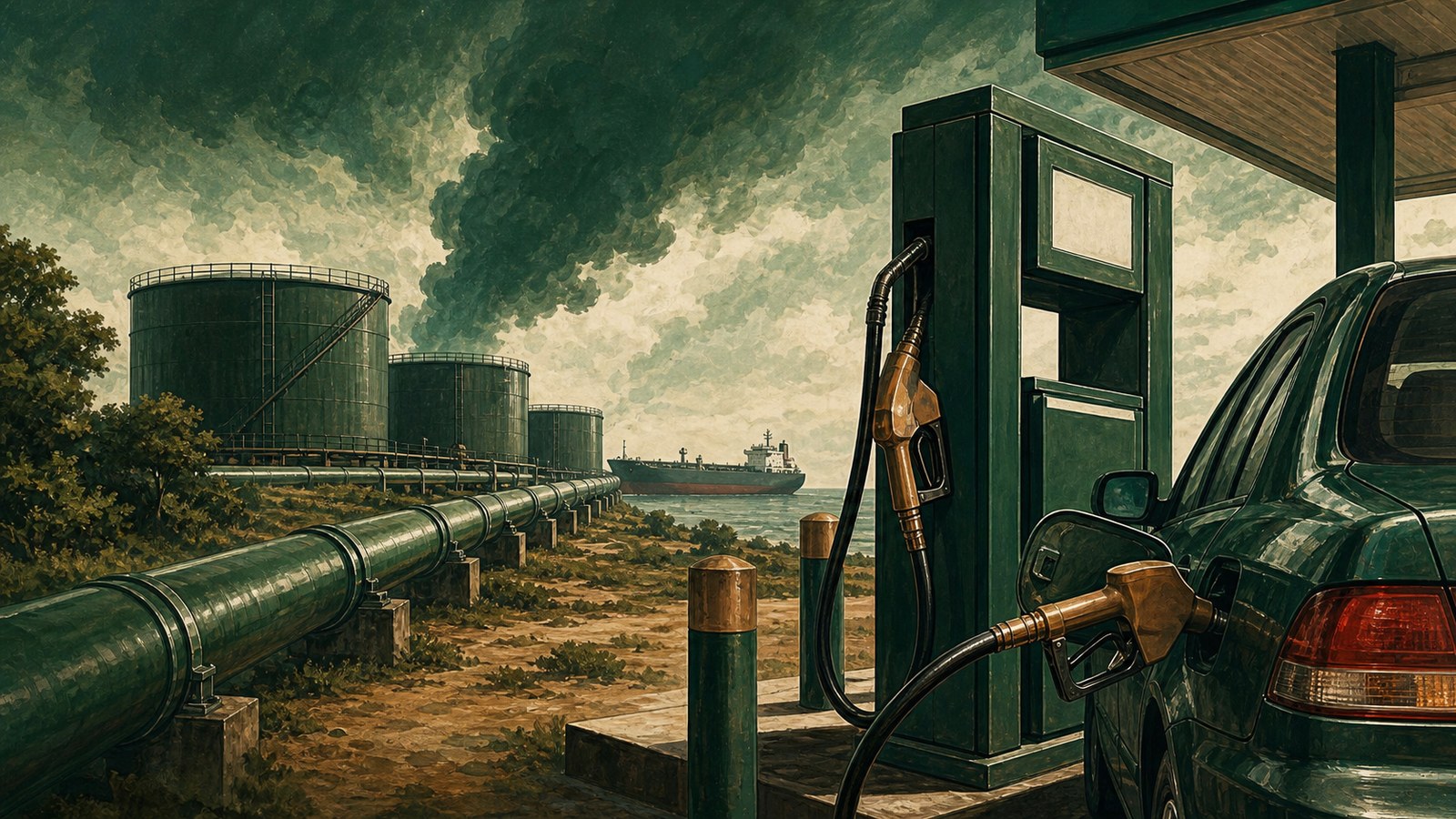
State House has said President Hakainde Hichilema's government is working "round the clock" to cushion Zambians from rising fuel prices, after the Energy Regulation Board announced higher pump prices for November. Petrol rises by K1.60 to K33.06 a litre and diesel by K1.18 to K34.45, on top of an increase of K6 in October. State House Chief Communication Strategist Whitney Mulobela said the rise comes from instability in the Middle East, which has pushed up world oil prices. In a Facebook post on Sunday he put Brent crude at about US$112 a barrel, roughly 73 percent higher than a year ago, and pointed to attacks on tankers near the Strait of Hormuz, through which close to a fifth of the world's crude passes. Zambia imports all its refined fuel, so it feels the full effect. He said the government understands that dearer fuel means higher transport fares and higher production costs, especially for farmers who need diesel in the planting season. He set out the relief given earlier: between April and September the government suspended excise duty on fuel and zero-rated VAT, and together with the ERB's price smoothing this held pump prices between K25 and K28 a litre. He said that relief cost the Treasury about US$200 million in lost revenue, that diesel stocks were kept at about 60 days of cover, and that the tax relief was ended to protect money for free education, the enhanced Constituency Development Fund, school feeding and the Social Cash Transfer. Separately, Oil Marketing Companies Association of Zambia president Dr Kafula Mubanga said prices will keep climbing unless government restructures the Open Access Framework. He accused some marketers of using limited competition on the TAZAMA pipeline to add about K5 a litre, and said letting more Zambian-owned companies use the pipeline would increase competition and bring costs down. ## Why it matters Fuel sets the price of almost everything a Zambian buys. A minibus driver passes a rise on to passengers, a farmer