ZRA stops three trucks at Kafue carrying 119,500 litres of ethanol declared as paraffin
ECONOMYBy ZPP Newsroom
Source: Zambia Monitor
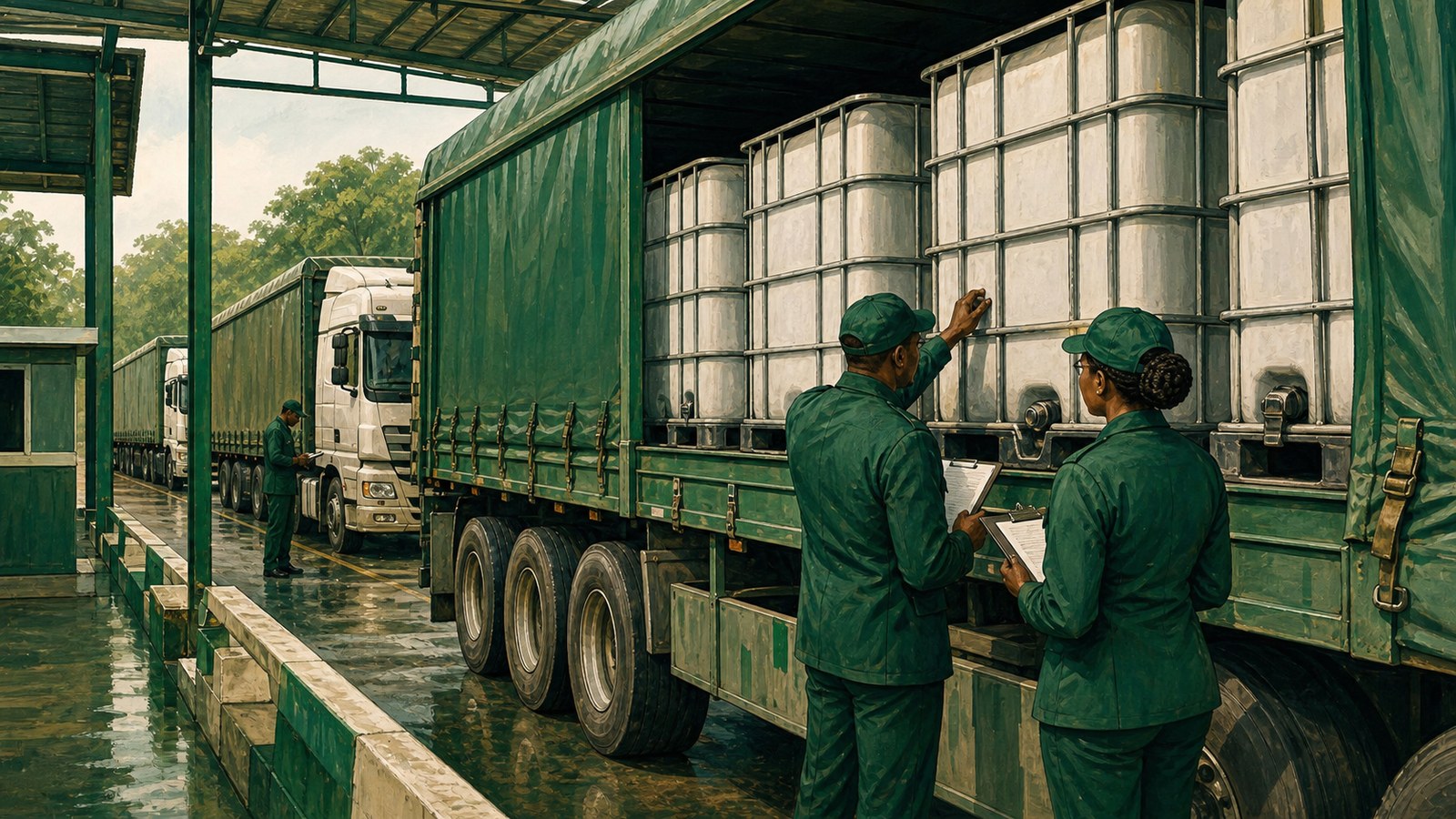
The Zambia Revenue Authority (ZRA) has intercepted three super-link trucks at the Kafue checkpoint carrying 119,500 litres of ethanol that had been declared as paraffin when the load went through the Chirundu One Stop Border Post. ZRA says the wrong description could have cost the government K5.8 million in revenue had it gone unnoticed. In a statement issued on Tuesday, ZRA Corporate Communications Manager Oliver Nzala said officers of the Mobile Enforcement Unit questioned the description on the cargo when the trucks reached the Kafue checkpoint. During a physical inspection the officers noticed a spirit-like smell that did not match paraffin. The load turned out to be 478 drums of 250 litres each. The trucks were impounded and driven to the Makeni Enforcement Centre, where samples were taken for laboratory analysis. The tests confirmed that the liquid was ethanol and not paraffin. Mr Nzala said false declarations rob the government of revenue and undermine fair competition among traders. He explained that the description of goods decides how they are classified for tariff purposes, and therefore which duties and taxes must be paid. Under the Customs and Excise Act, Chapter 322 of the Laws of Zambia, a false declaration is punishable by seizure of the goods and prosecution of those involved. ## Background Every consignment that enters Zambia must be declared at the border, with a description that matches the goods and the papers that travel with them. That description is what ZRA uses to work out the tax. Because the border post and the checkpoint are different places, ZRA also runs mobile units that stop trucks on the road and check the cargo against the declaration, which is how this load was caught at Kafue, a long way from where it entered the country. ## Why it matters The K5.8 million that ZRA says was at stake is public money. Tax that is dodged at the border is tax that does not reach the clinics, schools and roads that most Zambians depend on, and