Update: Sialubalo tells councils to move Lusaka's street vendors "with dignity" as only 405 of more than 14,000 market spaces have been allocated
NATIONALBy ZPP Newsroom
Source: The Zambian Observer
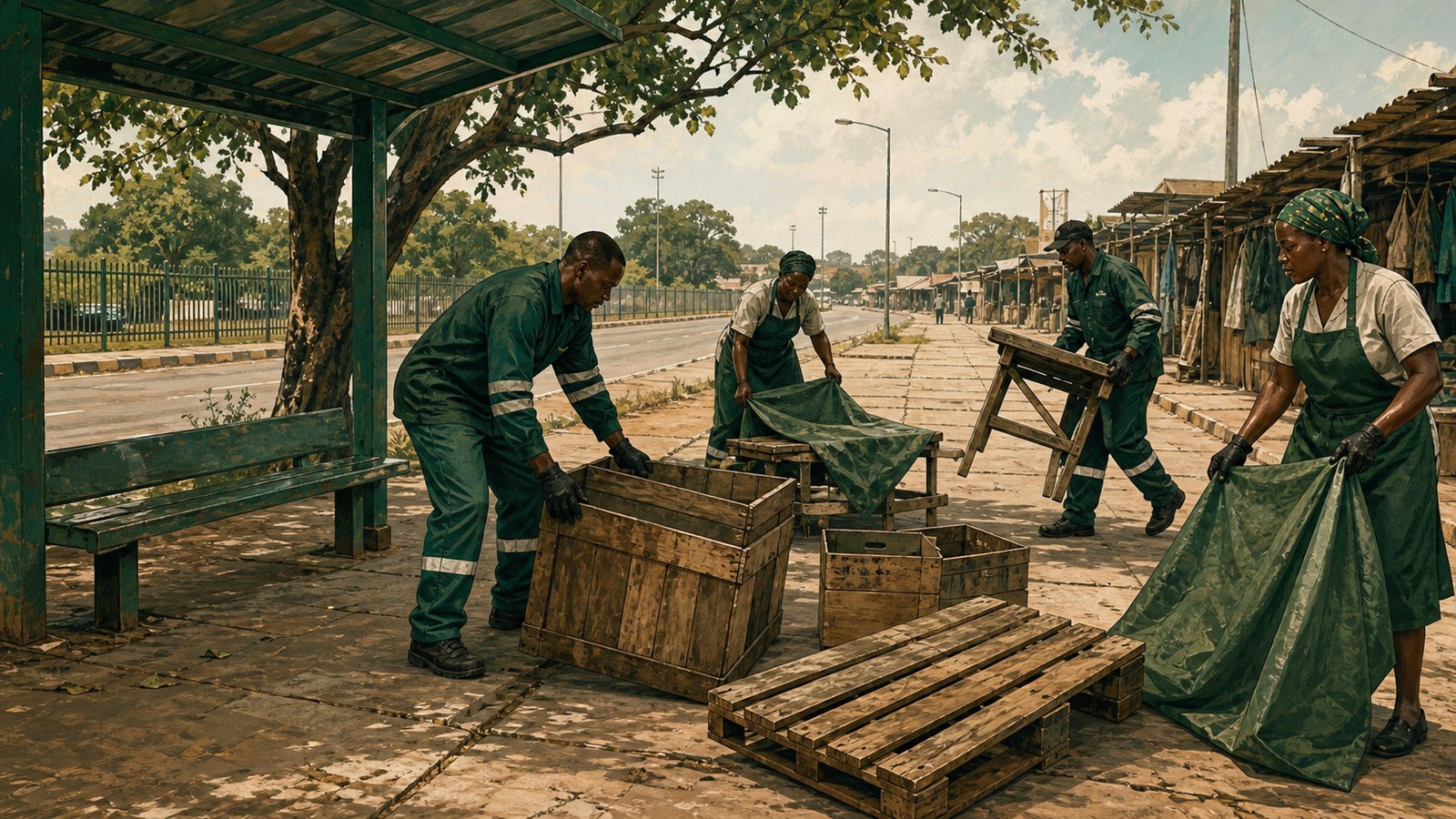
**Update:** Earlier coverage reported that only 405 of Lusaka's more than 14,000 market spaces had been allocated; what is new is the minister's call for dignified evictions, the figure of about 8,000 registered street vendors, the Mayor's reply and the list of streets cleared. Local Government and Rural Development Minister Gift Sialubalo has told councils to remove street vendors from undesignated trading areas with dignity, saying they must be relocated without harassment or undignified treatment. He made the remarks in Parliament on Tuesday, and directed them at Lusaka Mayor Mwewa Chitambala and the Lusaka City Council. Mr Sialubalo said Lusaka has more than 14,000 trading spaces across 34 markets, yet only 405 have been allocated to traders so far. He said the capital has about 8,000 registered street vendors, whom the available spaces could accommodate, and he urged councils to tell traders where the spaces are and to make sure enforcement officers treat vendors with dignity. Mayor Chitambala said the removals are meant to restore order, cleanliness and sanity in the capital and not to punish traders. The council has also introduced regular patrols to stop vendors coming back to undesignated areas. ## Background The clearance is known as Operation Clear Path. The Lusaka City Council and the Zambia Police Service launched it on 2 October 2026. Streets and areas cleared include Lumumba Road, Simon Mwewa Lane, Freedom Way, Cha Cha Cha Road, Cairo Road, Ben Bella Road, and the areas around FINDECO House and Kafue Roundabout. ## Why it matters Street vending is how many Lusaka families earn their daily money, so where vendors are allowed to sell decides what many households can earn. On the minister's own figures, more than 13,500 market spaces have no trader, while Lusaka has about 8,000 registered street vendors whom those spaces could hold. Until the allocation catches up, vendors cleared from the streets have fewer places to sell. ## What happens next