ZESCO projects solar to supply a third of Zambia's electricity by 2030 and rules out load shedding as El Niño risk looms
INFRASTRUCTUREBy ZPP Newsroom
Source: The Zambian Observer
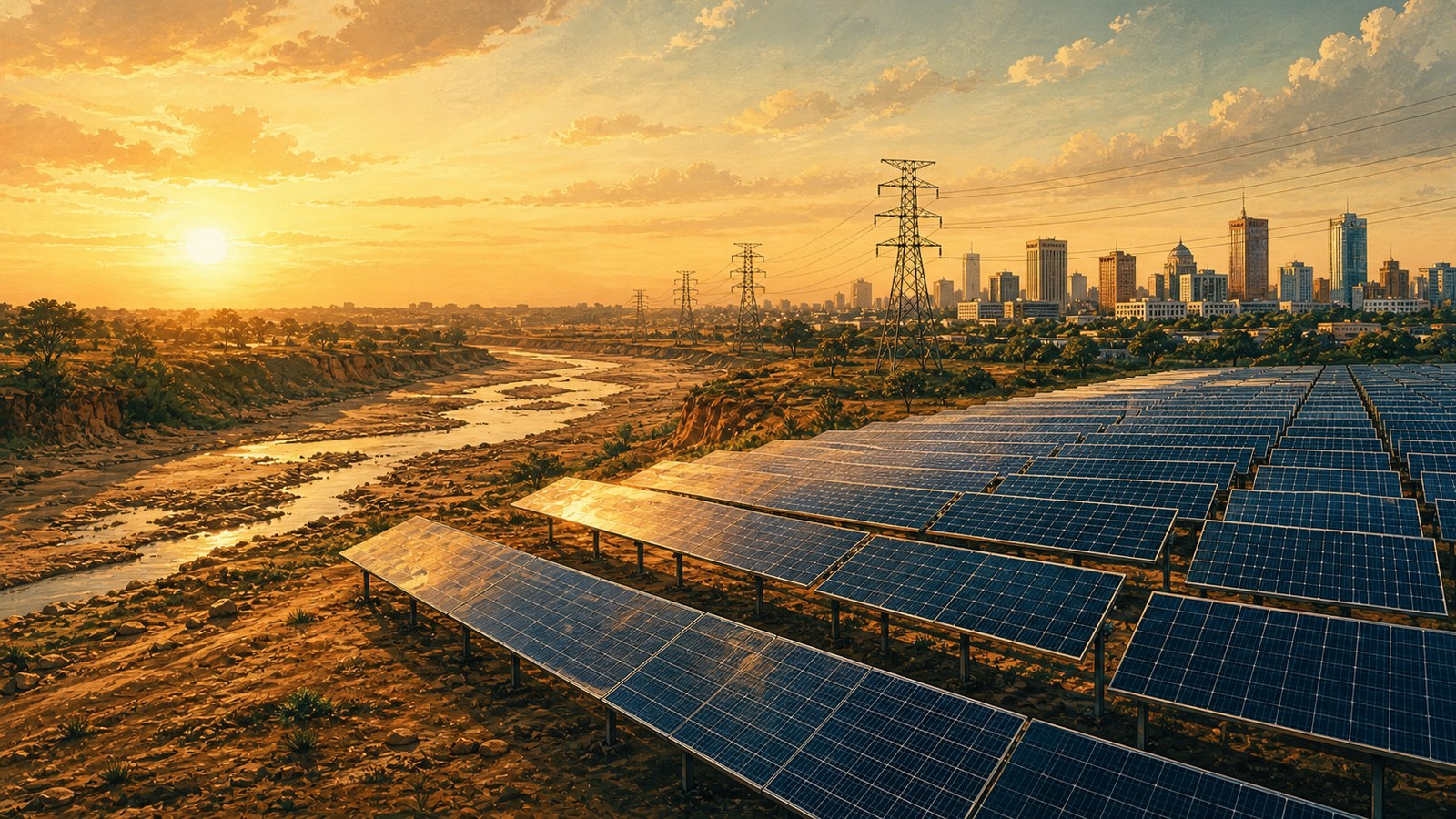
ZESCO says it is changing how Zambia makes electricity so that a dry rainy season cannot bring back the long power cuts of 2024 and 2025. The utility is worried about El Niño, which can cause prolonged dry spells and low river levels, and so threaten hydropower. Lioko Sitali, ZESCO's Director of Transmission Operations and Trade, presented the company's projections. Installed capacity is expected to rise from 5,220MW now to 11,630MW by 2030, above the Government's 10,000MW target. On the figures presented, solar would grow from 88MW in 2021 to 4,126MW by 2030, and thermal from 515MW to 3,234MW. Hydropower would rise from about 2,700MW to 3,970MW, but its share of generation would fall from 82% in 2021 to 34% in 2030, with solar at about 35%. Wind, which Zambia does not have today, would provide 200MW, and biomass and other sources 100MW. Mr Sitali said transmission lines would also be built to carry power from the new plants and strengthen distribution. ZESCO Managing Director Justin Loongo said the company is studying renewable technologies and looking at partnerships and financing models, and that more private sector participation and regional power trading will help meet rising demand. Energy Minister Peter Kapala welcomed the projections and said the country is aiming for universal access to electricity by 2030, including in rural areas. ### Background Zambia began load management in March 2024 with eight hours of outages a day. It rose to 12 hours in May 2024 and later reached 19 to 20 hours a day. Supply began to stabilise in late 2025 as new solar, thermal and independent power projects came online, and ZESCO says it ended nationwide load shedding in December 2025. ### Why it matters For a household, a shop or a salon, outages mean spoiled food, lost sales and a diesel or generator bill. Farmers and small manufacturers lost income in the worst months. The 2030 figures are plans and projections, not power that exists today, and they depend on the projec