Siame orders ZEMA to enforce full clean-up of Luela Stream and Dambo wetland after Rongxing tailings dam spill at Kalulushi
ENVIRONMENTBy ZPP Newsroom
Source: Zambia Monitor
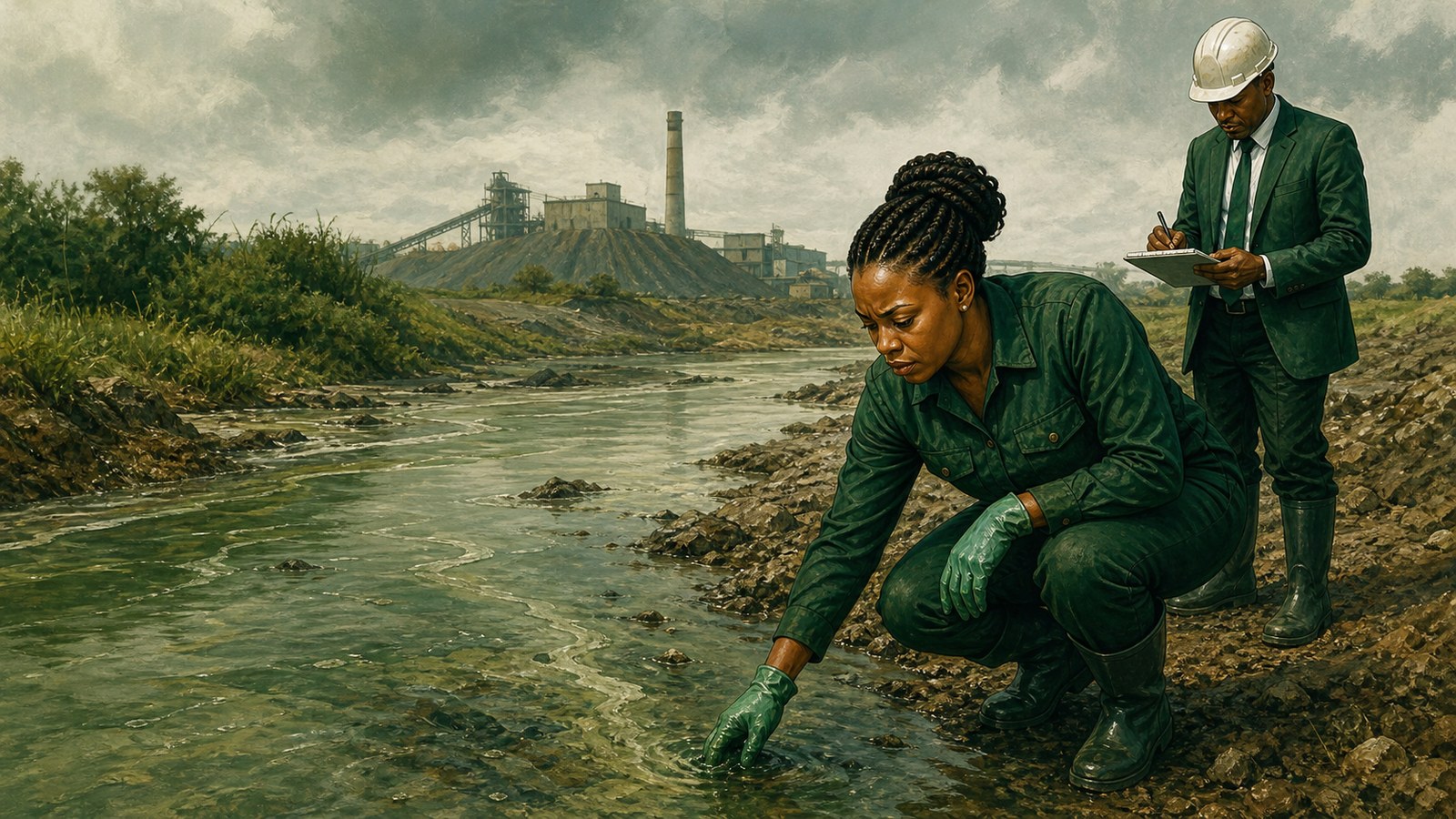
Green Economy and Environment Minister Gilbert Siame has directed the Zambia Environmental Management Agency (ZEMA) to enforce a full clean-up and restoration of the Dambo wetland and the Luela Stream, which were polluted when a tailings dam at Rongxing Investments Limited's Kalulushi plant ruptured. He gave the directive on Wednesday at a meeting in Lusaka with a Rongxing delegation led by chairman Yuan Liming. Tailings Dam No. 12 ruptured on 30 January 2025 and released acidic mine tailings into the Luela Stream and the surrounding wetland. Processing at the plant was suspended on 3 March 2025. ZEMA allowed it to resume on 16 March 2026, on condition that environmental assessments and restoration works were completed, some of which are still outstanding. An inspection on 27 October 2026 then found that construction had started without approval of an environmental impact assessment. Mr Siame set out several conditions. A consultant chosen by Rongxing must submit an inception report for approval before any clean-up begins. The company must work with the Ministry of Fisheries and Livestock to assess the damage to fish stocks and other aquatic life in the Luela Stream catchment. ZEMA must monitor the company closely and process a summary fine for the unauthorised construction. Mr Liming told the meeting that Rongxing plans to double its annual copper cathode production capacity through a technical upgrade meant to improve its environmental performance. He said the company remains committed to long-term investment and responsible operations. ## Background A tailings dam holds the waste slurry left over after copper is extracted from ore. If its wall fails, the waste can flow into rivers, wetlands and farmland. An environmental impact assessment has to be approved before major construction can start, and ZEMA is the body that enforces this. ## Why it matters People who live along streams and wetlands rely on them for water, fishing and farming, so a clean-up that