South Africa's response to xenophobia is under fire
WORLDBy Kathy Short — DW (English)
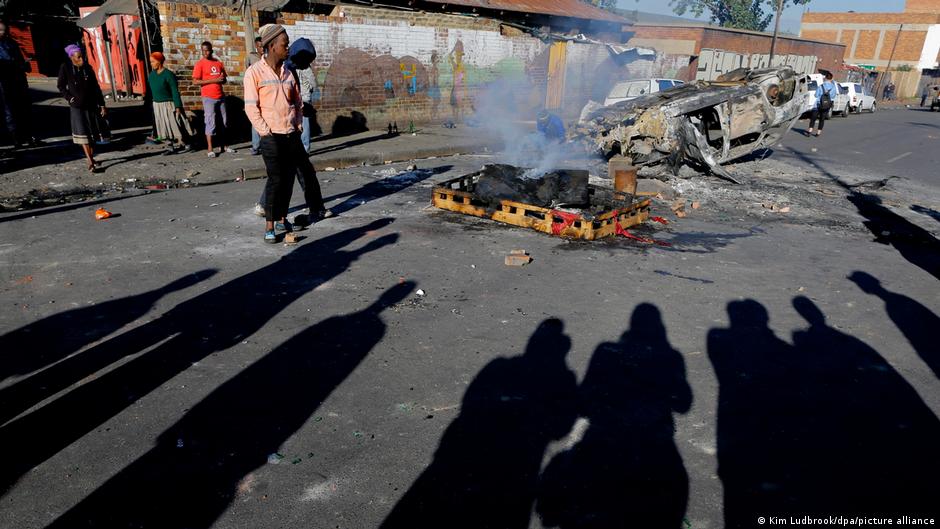
PRETORIA – The South African government finds itself once again under intense scrutiny regarding its response to a resurgence of xenophobic violence targeting foreign nationals. Critics contend that while official condemnation of such acts is swift, the practical measures for prevention, effective law enforcement, and long-term integration strategies remain woefully inadequate. Recent reports indicate a worrying uptick in attacks against migrants in various parts of South Africa, prompting human rights organisations and regional observers to question the efficacy of the government's current approach. This recurring cycle of violence, often fueled by socio-economic frustrations and political rhetoric, has led to a climate of fear and uncertainty for many foreign residents, including a significant number of Zambian citizens who have migrated south for economic opportunities or other reasons. Analysts point to a perceived disconnect between the government's stated commitment to combating xenophobia and the tangible outcomes on the ground. Arrests following violent incidents are often limited, and successful prosecutions remain rare, fostering a sense of impunity among perpetrators. Furthermore, some political narratives, particularly during election cycles, are accused of inadvertently or directly fanning the flames of anti-foreigner sentiment, exacerbating an already volatile situation rather than diffusing it. A key concern for Zambia and other neighbouring countries is the safety and well-being of their citizens living in South Africa. The Zambian government has, in the past, expressed its dismay over such incidents and has often been called upon to provide assistance and protection to its nationals. This ongoing instability not only threatens individual lives and livelihoods but also strains diplomatic relations within the Southern African Development Community (SADC) bloc, undermining efforts towards regional integration and economic cooperation. Experts sugge