LIVE
πŸ”΄ POLITICS: Zambia heads to the polls β€” August 2026 General ElectionπŸ“Š ECONOMY: Zambian Kwacha β€” latest exchange rates and market updatesπŸ›οΈ INSTITUTIONS: ECZ announces 70 new constituencies for 2026 elections
The Zambian People's Pulse

THE ZAMBIAN
PEOPLE'S PULSE

HEALTH75% Verified

MOH Suspends 5 ZAMMSA Bosses, Launches Investigation in Drug Supply Saga

β€’HEALTH
β€’
β€’

Share this article

Listen to Story

Click play to have this article read aloud

MOH Suspends 5 ZAMMSA Bosses, Launches Investigation in Drug Supply Saga

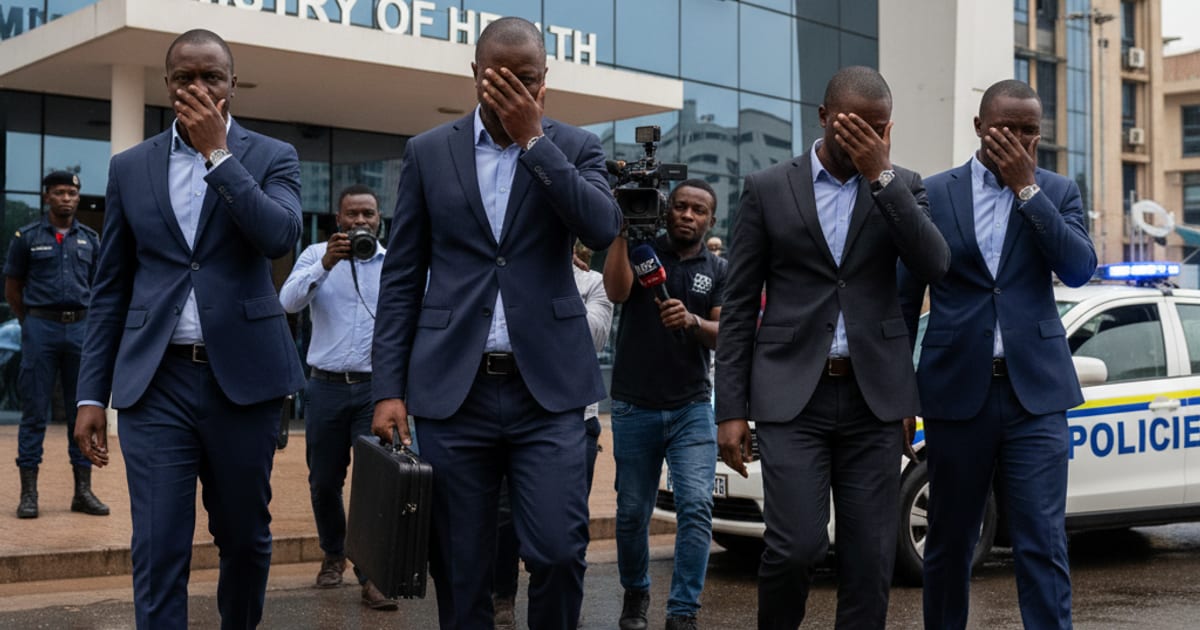
The Ministry of Health (MOH) has suspended five senior officials from the Zambia Medicines and Medical Supplies Agency (ZAMMSA) following allegations of irregularities in the procurement and supply of drugs. This move comes amidst growing public concern over the availability and quality of essential medicines in the country's health facilities. The suspensions are part of a broader investigation initiated by the MOH to ascertain the extent of the alleged mismanagement and to ensure accountability within the agency. The ministry has vowed to take decisive action against anyone found culpable, emphasizing its commitment to safeguarding public health and ensuring efficient resource utilization. The drug supply saga has highlighted systemic issues within ZAMMSA, prompting calls for a comprehensive overhaul of its operations to prevent future occurrences of similar problems. The investigation aims to restore public trust in the national drug supply chain and improve access to vital medical supplies.

Lusaka, Zambia – The Ministry of Health (MOH) has taken decisive action, suspending five senior officials from the Zambia Medicines and Medical Supplies Agency (ZAMMSA) as a comprehensive investigation into alleged irregularities in the procurement and supply of essential drugs gets underway. This significant development follows a period of escalating public outcry and palpable frustration among citizens and healthcare providers alike, who have consistently reported critical shortages and, in some instances, questionable quality of medicines in health facilities across the nation. The suspensions signal a firm commitment from the government to address the deep-seated issues plaguing the national drug supply chain, which have undoubtedly compromised patient care and eroded public trust in a system vital to national well-being.

The move by the MOH, spearheaded by Minister Sylvia Masebo, underscores the gravity of the situation. While the identities of the suspended officials have not yet been publicly disclosed, their removal from active duty is a necessary first step towards ensuring an unhindered and impartial inquiry. The investigation aims to meticulously unravel the extent of the alleged mismanagement, identify specific points of failure, and ultimately hold accountable those responsible for any lapses in judgment, negligence, or malfeasance. The ministry has unequivocally stated its resolve to leave no stone unturned, reiterating its primary mandate to safeguard public health and ensure that every Kwacha allocated to medicine procurement translates into tangible, life-saving supplies for Zambians.

This latest drug supply saga has brought to the fore systemic vulnerabilities within ZAMMSA, the country's central agency responsible for managing the national supply chain of medicines and medical products. For months, reports from district hospitals, rural health centres, and even major referral facilities have painted a grim picture of empty pharmacy shelves, forcing patients to either purchase medicines from private pharmacies at exorbitant prices or, tragically, go without essential treatment. Such deficiencies not only undermine the government's commitment to universal health coverage but also place an unbearable burden on vulnerable households already grappling with economic hardships. The current probe is therefore not merely about individual culpability but about a much-needed comprehensive overhaul of ZAMMSA's operational framework, procurement protocols, and oversight mechanisms.

The implications of this investigation extend far beyond the immediate suspensions. A robust and transparent resolution is paramount to restoring public confidence in the national health system, which has been severely tested. Furthermore, it is crucial for Zambia's standing with international partners and donors who contribute significantly to the health sector. Any perception of widespread corruption or inefficiency in medicine procurement can jeopardise future funding and support, impacting critical programmes such as HIV/AIDS, malaria, and maternal and child health. The government must demonstrate unequivocally that it is serious about good governance and prudent management of resources, especially those earmarked for the health of its citizens.

As the investigation progresses, The Zambian People's Pulse urges the MOH to maintain transparency and provide regular updates to the public. It is imperative that the findings are made public and that decisive, corrective measures are implemented swiftly to prevent a recurrence of such a debilitating crisis. Beyond disciplinary actions, there is an urgent need to strengthen ZAMMSA's institutional capacity, invest in robust inventory management systems, and foster a culture of accountability and ethical conduct at all levels. Only then can Zambia ensure a reliable, efficient, and equitable supply of medicines, truly putting the health and well-being of its people first.

Related Articles

Zambia Records 12 New Cholera Cases in 24 Hours
HEALTH

Zambia Records 12 New Cholera Cases in 24 Hours

Zambia has reported 12 new cholera cases within the last 24 hours, with no fatalities. Of these new cases, 11 were identified in Lusaka and one in Mpulungu District, Northern Province. Since August of the previous year, the country has accumulated 1,415 cholera cases and 22 deaths across 25 affected districts. In response to the ongoing situation, the Minister of Health, Dr. Alex Katakwe, announced that the government has intensified surveillance and preparedness measures in Lusaka and nationwide to prevent further spread of the disease. The Ministry of Health has also implemented enhanced preventive actions at the University of Zambia to avert potential outbreaks within the institution. Additionally, the North-Western Province Provincial Health Director, Dr. Luckson Chidikita, confirmed that the province continues to uphold government-mandated preventive measures to ensure no additional cases are recorded in their region.

US’s new scramble for Africa is biomedical imperialism
HEALTH

US’s new scramble for Africa is biomedical imperialism

The article discusses concerns that US health funding agreements in Africa, including Zambia, represent a new form of "biomedical imperialism" or "extractivism." It highlights how these deals, similar to one Zimbabwe rejected, could grant broad American access to sensitive health data and biological samples, raising sovereignty issues for African nations like Zambia.

Metabolic syndrome and its risk factors among adults living with HIV receiving antiretroviral therapy in Zambia: an ambidirectional cohort study
HEALTH

Metabolic syndrome and its risk factors among adults living with HIV receiving antiretroviral therapy in Zambia: an ambidirectional cohort study

This study investigates the prevalence and risk factors of metabolic syndrome among adults living with HIV who are receiving antiretroviral therapy (ART) in Zambia. While ART has significantly improved survival for people with HIV, it has also introduced new challenges related to cardiometabolic complications. The research aims to address the lack of epidemiological data on this issue in the region.

Reader Comments

Share Your Thoughts

No comments yet. Be the first to share your thoughts!