Of removing UPND in order to free PF convicts; ba Mundubile where’s your party manifesto?
POLITICSBy Lusaka Times — Lusaka Times
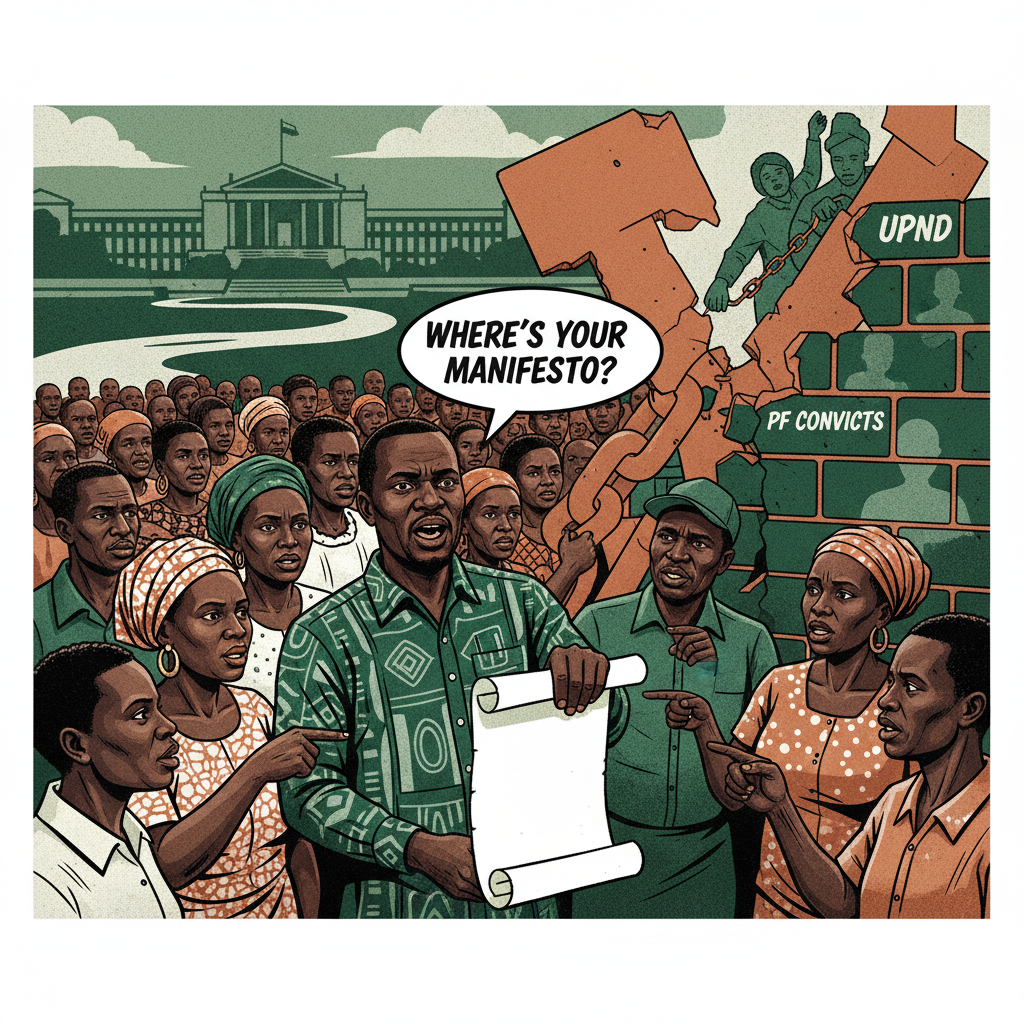
The political landscape in Zambia continues to be dominated by reflections on past governance and the current opposition's strategic direction. A recent commentary sharply criticizes the Patriotic Front (PF) for what it describes as an era of profound corruption and repression during its ten-year tenure. The author asserts that the PF government 'literally ransacked and looted the Treasury,' leaving a legacy of economic mismanagement and a significant dent in public trust. This strong indictment comes amidst ongoing political discourse where the PF, now in opposition, is perceived by some as prioritizing the release of its convicted members over offering a clear, alternative vision for the nation. Critics argue that the party's current narrative appears to revolve more around defending its past actions and personnel than on articulating a forward-looking agenda that addresses the pressing needs of Zambians, such as economic growth, employment, and improved social services. The commentary specifically calls out Brian Mundubile, a prominent figure within the PF, questioning the absence of a discernible party manifesto or a coherent policy platform. This observation underscores a broader concern among political analysts and the electorate about the quality of opposition politics in Zambia. A robust democracy thrives on a strong opposition that not only holds the government accountable but also presents credible, well-thought-out alternatives for national development. The lack of a clear manifesto or policy direction from a major opposition party like the PF raises questions about its preparedness to govern, should it return to power. Zambians are increasingly looking for concrete solutions to their daily challenges, and political parties are expected to provide detailed plans on how they intend to tackle issues ranging from the cost of living to healthcare and education. Generic criticisms of the ruling party, without substantive policy proposals, often fail to reso