UPND Says Convention Delay Due to Resource Mobilisation
POLITICSBy ZPP Newsroom
Source: Lusaka Times
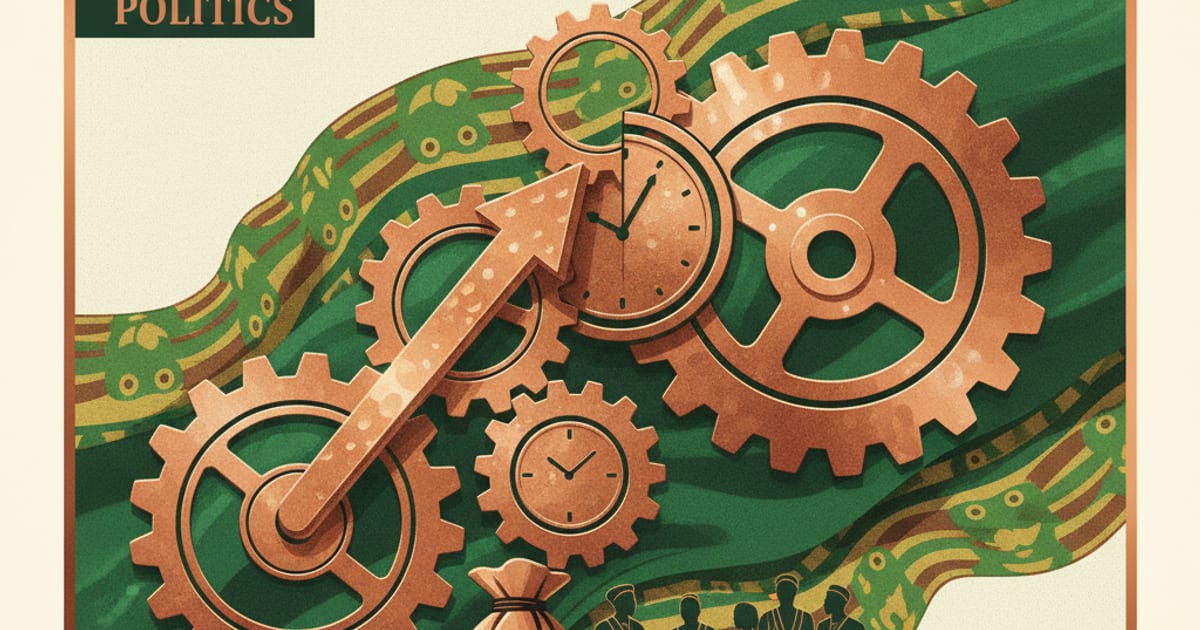
**Lusaka, Zambia** – The ruling United Party for National Development (UPND) has cited the imperative of resource mobilisation as the primary reason for the protracted delay in convening its general conference, a crucial internal democratic exercise. This explanation, offered by the party's Chairperson for Elections, Mr. Likando Mufalali, comes amidst growing public and internal scrutiny regarding the party's adherence to its own constitutional timelines and its commitment to robust internal democratic processes. The postponement raises pertinent questions about the financial health of the party in power and its broader implications for political governance in Zambia. While Mr. Mufalali’s statement frames the delay as a practical necessity, implying a responsible approach to financial planning for such a significant event, it has not quelled concerns among various stakeholders. Critics, including independent media and opposition voices, are quick to draw parallels with historical precedents where ruling parties in Zambia have often deferred internal elections. Such delays have frequently been interpreted as symptoms of internal power struggles, attempts to consolidate power, or even a deliberate strategy to avoid challenging incumbent leadership. This narrative suggests that the UPND, despite its reformist promises, might be falling into a familiar pattern that could undermine public trust and fuel perceptions of democratic backsliding within its ranks. The 'Voice of the People' on social media platforms, a barometer of public sentiment, remains sharply divided on the issue. Staunch party loyalists largely accept the explanation, viewing it as a pragmatic approach to ensure a well-organised and impactful conference. However, a significant segment of the public expresses cynicism, questioning the transparency of the party's financial affairs and speculating on potential leadership succession struggles or the fear of internal dissent. This dichotomy highlights the d