Office of the President to harvest 700 bags of maize
AGRICULTUREBy Lusaka Times — Lusaka Times
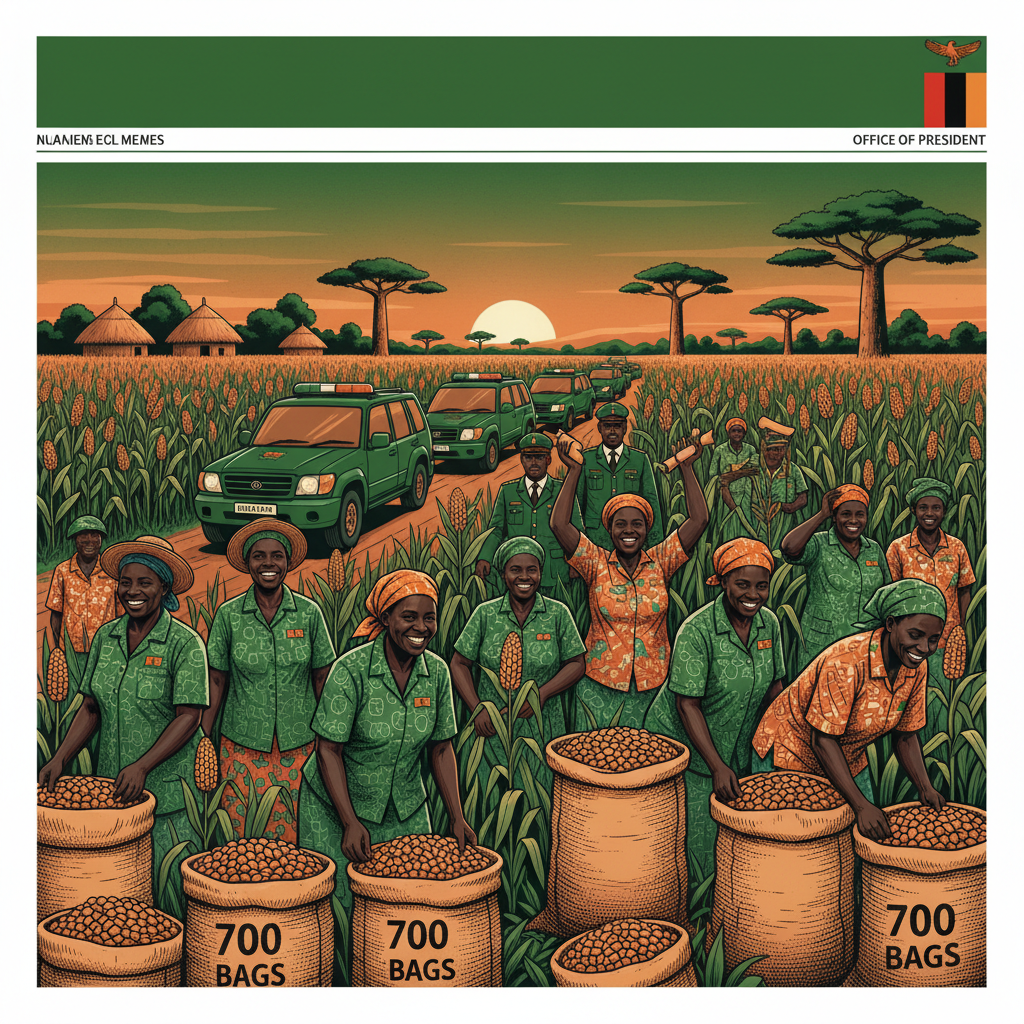
CHONGWE – The Office of the Vice President’s Resettlement Division has officially commenced the harvesting of maize from its expansive 10-hectare demonstration field located within the Kanakantapa Resettlement Scheme in Chongwe District. This significant agricultural undertaking is projected to yield an impressive harvest of over 700 bags of maize, a testament to the division's commitment to promoting sustainable farming practices and enhancing food security across the nation. The Kanakantapa Resettlement Scheme, a cornerstone of Zambia's rural development strategy, serves as a vital hub for empowering vulnerable communities through land allocation and agricultural support. The demonstration farm, meticulously managed by the Resettlement Division, is not merely a production unit but a living classroom. It aims to showcase best practices in maize cultivation, including appropriate seed selection, timely planting, effective pest and disease management, and optimal fertilization techniques, all tailored to the Zambian climatic and soil conditions. Officials from the Office of the Vice President emphasized that the success of this demonstration plot is crucial for inspiring and educating resettled farmers. By observing the high yields achieved through modern and efficient farming methods, local farmers are encouraged to adopt similar strategies on their own plots, thereby increasing their productivity and ultimately their household incomes. This hands-on approach is considered more impactful than theoretical training alone, fostering a culture of agricultural innovation and self-reliance. Furthermore, this initiative aligns with the Zambian government’s broader agenda of diversifying the agricultural sector and reducing reliance on rain-fed subsistence farming. Investments in demonstration farms and extension services are pivotal in achieving national food self-sufficiency and creating a resilient agricultural economy. The maize harvested from Kanakantapa is expected