Forgiveness through Prayer.
INSTITUTIONSBy Lusaka Star — Lusaka Star
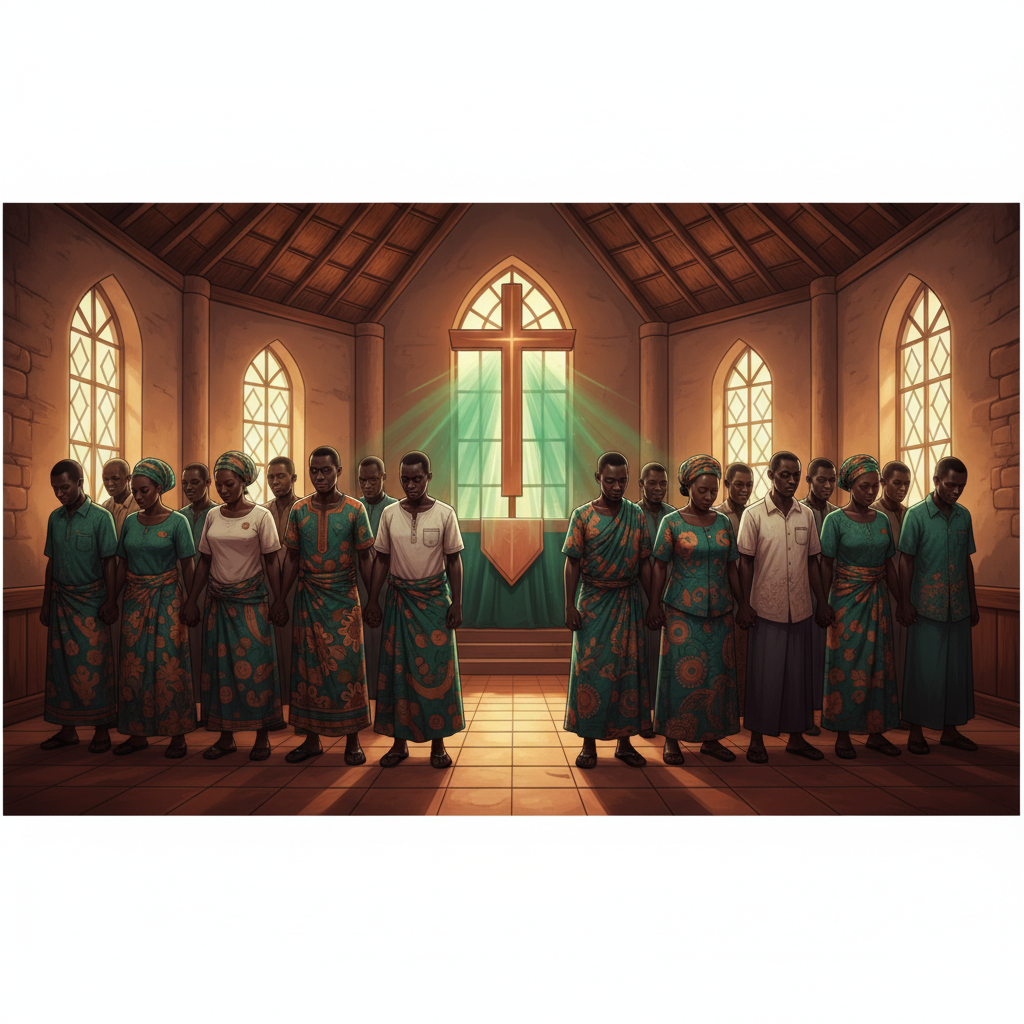
LUSAKA – In a nation where faith forms the bedrock of daily life and community cohesion, the profound act of forgiveness, often mediated through prayer, stands as a cornerstone of personal and social well-being. Forgiveness, while universally acknowledged as a virtue, frequently presents itself as one of humanity's most arduous choices, particularly in the aftermath of deep-seated pain, profound betrayal, or crushing disappointment. Yet, across Zambia's diverse spiritual landscape, countless individuals attest to finding an unparalleled reservoir of strength through prayer, enabling them to transcend bitterness and embrace reconciliation. The Zambian societal fabric is intricately woven with threads of Christian doctrine, where forgiveness is not merely a moral imperative but a spiritual journey towards liberation. Church pulpits echo with sermons on the redemptive power of letting go, encouraging congregants to emulate biblical teachings on compassion and mercy. This emphasis is particularly pertinent in a country that has experienced its share of social and political tensions, where calls for national unity and healing often invoke the spirit of forgiveness. Experts in spiritual counselling and psychology within Zambia highlight that the act of prayer serves as a vital conduit for processing complex emotions. By engaging in prayer, individuals are often able to surrender their grievances, seeking divine intervention to soften hardened hearts and mend fractured relationships. This spiritual discipline is not passive; it requires intentional effort and a willingness to release the burden of resentment, which, if left unchecked, can fester and impede personal growth and community progress. Beyond individual solace, the practice of forgiveness through prayer has broader implications for Zambian society. It contributes to the peaceful resolution of conflicts, both at familial and community levels, fostering an environment of understanding and empathy. Traditional le