FRA engages farmers ahead of grain season
AGRICULTUREBy Lusaka Star — Lusaka Star
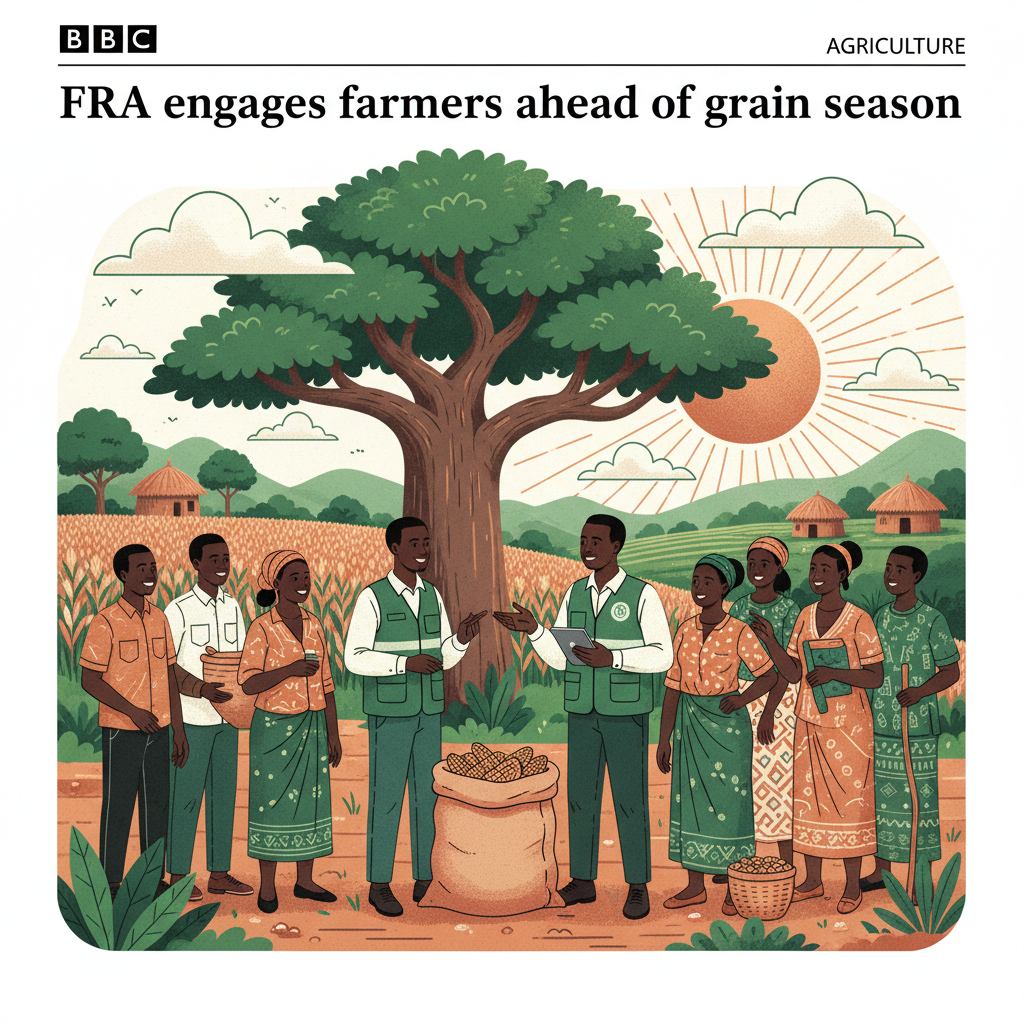
LUSAKA – Agricultural experts across Zambia are urging the Food Reserve Agency (FRA) to significantly strengthen its engagement with small-scale farmers as the nation gears up for the impending grain marketing season. This call to action, highlighted by figures such as Dr. Frank, emphasizes the critical role of proactive communication and collaboration in ensuring a stable and equitable agricultural landscape. The FRA, a statutory body mandated to ensure national food security by purchasing, storing, and distributing strategic food reserves, particularly maize, often faces scrutiny over its operational efficiency and farmer relations. Historically, issues such as delayed payments, inadequate storage facilities, and fluctuating pricing policies have plagued the agency, leading to discontent among the predominantly small-scale farming community. Improved engagement is seen as a vital step towards mitigating these recurring challenges and fostering greater trust. Experts argue that early and consistent dialogue with farmers can provide the FRA with crucial insights into harvest projections, logistical needs, and pricing expectations. This information is indispensable for the agency to plan its purchasing strategies effectively, ensuring that it can offer competitive prices that cover farmers' production costs and provide a reasonable profit margin. Furthermore, enhanced engagement can facilitate the dissemination of vital information to farmers regarding quality standards, delivery points, and payment schedules, thereby streamlining the entire marketing process. The Zambian agricultural sector is the backbone of the rural economy, with small-scale farmers contributing the lion's share of staple food production. Their ability to thrive directly impacts national food security and poverty reduction efforts. Therefore, any measures that support their sustainability, such as robust and transparent engagement from key institutions like the FRA, are paramount. The upcoming