How traditional Chief burials have changed over time
INSTITUTIONSBy Lusaka Star — Lusaka Star
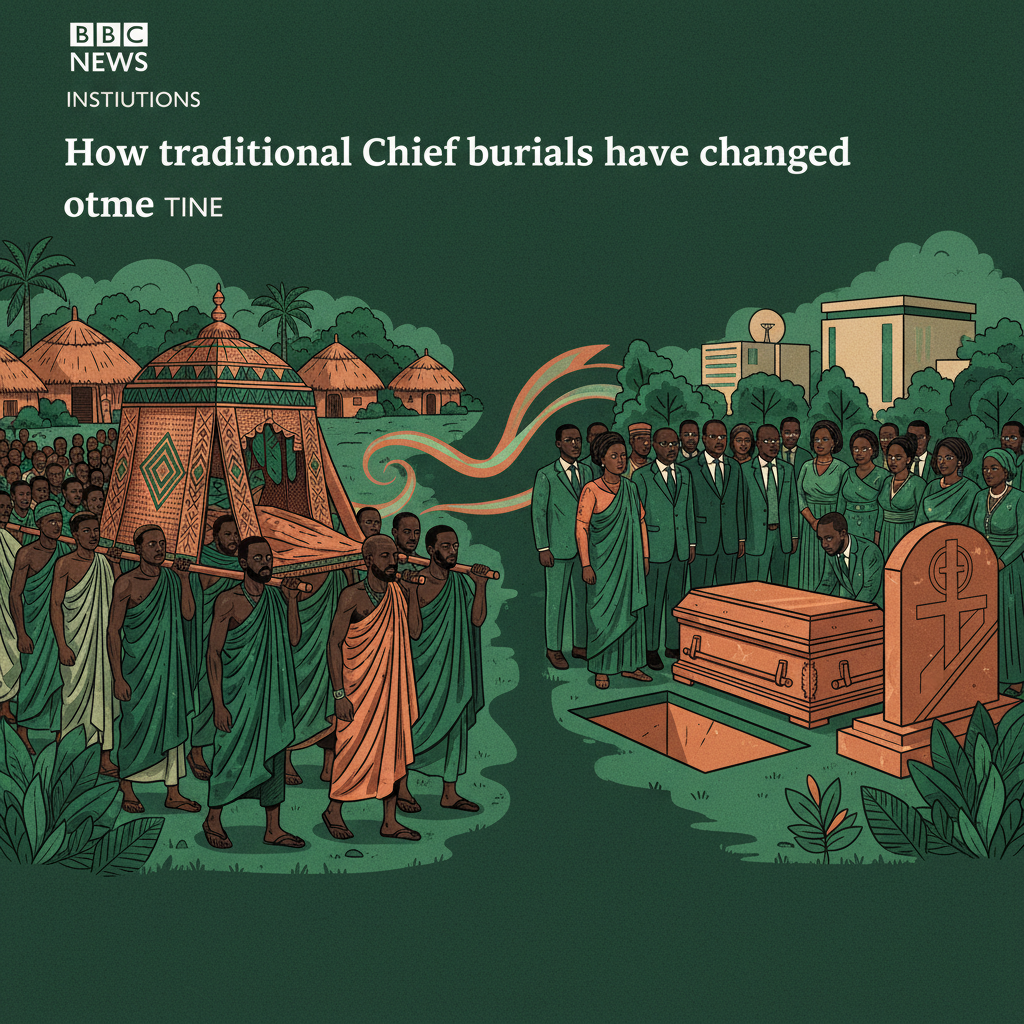
LUSAKA – The solemn rituals surrounding the burial of traditional Chiefs in Zambia, long considered cornerstones of cultural identity and ancestral veneration, are experiencing a profound transformation. What were once elaborate, multi-day ceremonies steeped in ancient customs are now adapting to the pressures of modernity, Christianity, and a rapidly changing social landscape, raising questions about the future of these sacred practices. Historically, the passing of a Chief was an event of immense spiritual and communal significance. Across Zambia's diverse ethnic groups, from the Lozi in the west to the Bemba in the north, the Ngoni in the east, and the Tonga in the south, specific rites ensured a dignified passage for the departed leader and the smooth transition of power. These often included secret ceremonies, specific burial sites, and the involvement of designated traditional elders or 'keepers of custom' who understood the intricate protocols. The belief in the Chief as a link between the living and the ancestral spirits underpinned much of this reverence, with rituals designed to appease ancestors and ensure continued blessings for the community. However, the advent of Christianity, which took root firmly during the colonial era and continues to be a dominant faith, has introduced new paradigms. Many traditional leaders and their families are now also devout Christians, leading to a blending of indigenous and Christian funeral rites. It is not uncommon to see a traditional Chief's funeral incorporate church services, hymns, and prayers alongside traditional drumming, dirges, and ancestral invocations. This syncretism, while sometimes creating tension, often reflects a pragmatic approach to faith and tradition among Zambians. Urbanization and increased connectivity have also played a role in the evolving nature of these burials. With many community members, including relatives of Chiefs, residing in urban areas or abroad, the logistics and participation i